

The new guidelines, updated from 2015, are informed by 194 systematic reviews, and 133 RCTs.
The new guidelines, updated from 2015, are informed by 194 systematic reviews, and 133 RCTs.

Cohosts Stephen Greene, MD, and Muthiah Vaduganathan, MD, MPH, sit down with Darren McGuire, MD, to discuss the results of this groundbreaking trial.

This analysis of patients with atopic dermatitis in the BIOREP registry spotlight the safety and efficacy of lebrikizumab therapy.

Multicenter study finds most children with anaphylaxis can be safely discharged within 2 hours, with 4 hours for those with cardiovascular involvement.

Hydroxychloroquine reduced proteinuria levels with an acceptable safety profile but had limited effects on overall eGFR in primary glomerular diseases.
This episode includes a breakdown of topline data from ATTAIN-1 and part 1 of the recap for ADCES 2025.
An audio recap of the top 5 stories in healthcare news from the week of 08/10-08/16.
This HCPLive Five episode focuses on 5 key ophthalmology updates from the ASRS2025 conference.

A new advisory highlights cephalexin’s efficacy and low cross-reactivity risk, supporting its safe use in patients with penicillin allergy.

This analysis suggests that GLP-1 RAs provide promise for those with HS and obesity and potentially for such individuals without obesity via immunological impacts.

ACHIEVE trial data showed spironolactone 25 mg did not reduce cardiovascular mortality and hospitalization due to heart failure in dialysis patients.

The TITRATE-HF study highlights the importance of early and intensive use of guideline-recommended medical therapy, focusing on dose titration.

The G-EPOSS study demonstrated the long-term impacts of guselkumab on patients’ psoriasis symptoms, sexual impairment, and perceived stigmatization.

New research confirms that adrenaline is safe and effective for anaphylaxis, debunking myths.

Stay updated with the latest healthcare breakthroughs, including FDA news and new guidelines, in this week's essential news roundup.

The accelerated approval is based on findings from Part 1 of the ESSENCE trial and indicates the agent for noncirrhotic MASH with moderate to advanced fibrosis.

The updated recommendations encourage both patients and clinicians to take a more proactive approach to preventing or managing hypertension.

The therapy's, marketed as Papzimeos, approval is supported by data from a pivotal Phase 1/2 clinical trial.


Phase 4 data reveal esketamine outperforms standard antidepressants in reducing insomnia and boosting next-day well-being in patients with TRD.

Stone clearance was similar with ureteroscopy vs shockwave lithotripsy, but the latter was associated with better recovery and patient-reported outcomes.

Recent research has shown long-lasting freedom of documented AF and atrial tachycardia.
Findings highlight an association between psoriasis and risks of all-cause, cardiovascular, infection-related, and suicide mortality.

Meta-analysis finds omalizumab and remibrutinib most effective for chronic urticaria unresponsive to antihistamines; cyclosporine has greater risks.
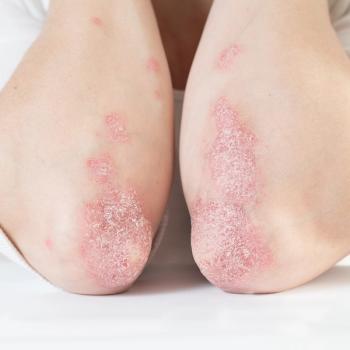
Recent interview- and survey-based research has quantified the extent to which GPP impacts patients, examining both symptoms and mental health outcomes.

Real-world review finds Black patients report fewer dupilumab-related adverse events than White patients.

Parent company Response Pharmaceuticals has announced RDX-002’s achievement of its primary endpoint, with more data to come from an ongoing extension.

The 2 organizations released a joint statement on challenging the common view of HF as an inevitability and prioritizing preventive measures.

Discover how precision medicine and advanced biologics are revolutionizing COPD and asthma management, enhancing patient outcomes and quality of life.

Providing nurses and MAs with an educational video on standardized hair loss photo techniques increased the quantity and quality of documented pictures.