

Past month binge drinking rates were greater among females 18-25 years of age than males from 2021-2023, reversing trends seen from 2017-2019.
Past month binge drinking rates were greater among females 18-25 years of age than males from 2021-2023, reversing trends seen from 2017-2019.
Mindy Hoang, MD, discussed Wayne State University’s program to help clinicians understand and address underserved patients’ potential social needs.
Test your knowledge below on pooled data from the ADORING trial program and stay up to date with clinical advancements in atopic dermatitis.

Inhalant exposure at work is linked to worse FESS outcomes in CRSwNP patients, with less symptom relief and higher polyp recurrence, a new study finds.

Counting down the most impactful news at major medical meetings, it’s the HCPLive Five! This episode focuses on 5 key internal medicine updates from the 2025 American College of Physicians (ACP) IM meeting.
The new global guideline consensus streamlines and simplifies existing MASLD recommendations from current guidelines and guidance documents.

Justin Riley Lam, MD, discussed findings from a retrospective cohort analysis at the 2025 ACP Internal Medicine Meeting.

The study indicates which biomarkers should be prioritized to predict neovascular AMD and geographic atrophy.

Investigators believe the connection may account for a substantial number of anemia cases in children.

Angel Goenawan, MD, shared findings from a meta-analysis of surgical and nonsurgical clinical trials.
Individuals treated with ezetimibe shortly after myocardial infarction experience an improved prognosis versus those who receive delayed treatment or none at all.

This network meta-analysis compares the relative effectiveness and safety of different monotherapies for patients living with alopecia areata.

Combining FESS with selective vidian neurectomy improved long-term nasal symptom control, especially nasal itching, in CRSwNP, allergic rhinitis, and asthma.

Liver transplant recipients with infective endocarditis had greater odds of in-hospital mortality, ICU admission, and longer length of stay.

Side effects of baricitinib were well within safety parameters, indicating the drug’s viability as a alopecia treatment for adults.
In this episode, experts discuss practical guidance for screening for presymptomatic type 1 diabetes with Rifka Schulman-Rosenbaum, MD.

The interchangeable designation was granted to CT-P17, a biosimilar to adalimumab (Humira), for inflammatory diseases such as psoriasis.

Nawsabah Noor, MBBS, discussed how her team developed novel AI training to reduce racial bias in diagnosing mpox lesions.

A first-of-its-kind medication developed by Atsena Therapeutics, ATSN-201 has already received three other FDA designations.

This systematic review highlights current research on ruxolitinib’s off-label use in dermatology, specifically for conditions such as alopecia and psoriasis.

Ultrasound showed no significant dermis thickness difference at the cubital fossa, yet dust mite-sensitized kids had signs of allergen-driven skin changes.
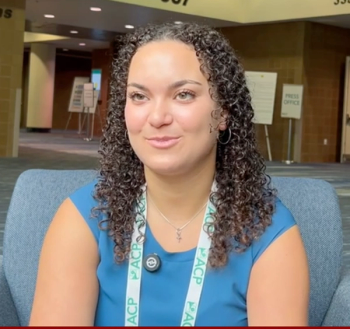
Valerie Louis outlined her ASKmeGOC study and the electronic tool her team developed to help preemptively record preferences.

Tumlin reviews findings from a posthoc analysis of DUPLEX demonstrating sparsentan’s impact on partial remission, complete remission, and kidney failure.
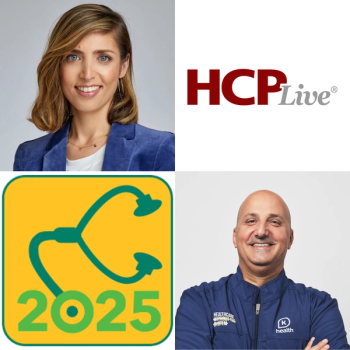
Zehavi Horowitz-Kugler, MD, and Ran Shaul discussed an AI model K Health developed and evaluated in a virtual urgent care clinic.
Bristol Myers Squibb says mavacamten missed dual primary endpoints in Phase 3 ODYSSEY-HCM trial for symptomatic non-obstructive HCM.

These data on 5α-reductase inhibitors highlight impacts on patients with benign prostatic hyperplasia or androgenic alopecia.
Adrienne Poon, MD, MPH, discussed early findings from a community health needs survey of AAPI populations.

In children with septic shock, norepinephrine as the first vasoactive agent was linked to lower 30-day mortality than epinephrine, with no renal outcome difference.
Black patients disproportionately started dialysis at low-quality facilities and were less likely to have nephrologists with high-quality primary facilities.

Bhatt discusses his expectations for the future of cardiology in 2025, including GLP-1-RAs and the push towards combination therapy.