

This episode unpacks ethical challenges of psychedelic therapies, such as consent and integrating traditional practices into mainstream medicine.
This episode unpacks ethical challenges of psychedelic therapies, such as consent and integrating traditional practices into mainstream medicine.

Our Q1 recap for nephrology spotlights regulatory updates, new clinical trial data, and advancements in xenotransplant.
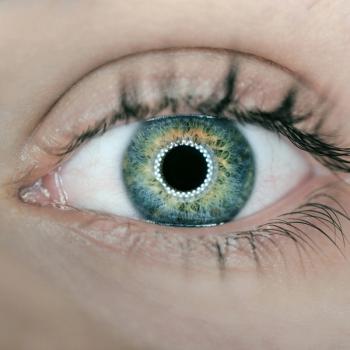
Inflammation due to chronic stress may establish connection between food insecurity and other eye diseases

Winfrey discussed how noninvasive CRC screening tests can help meet gaps when patients face barriers to colonoscopy.

This episode of the SOCS podcast features an in-depth discussion between Crystal Aguh, MD, and John Harris, MD, PhD.

Allergy treatment use increases postpartum depression risk in women with allergic rhinitis, a study found.

Erickson discussed key health policy issues the ACP is pushing back against during the organization’s Internal Medicine meeting.

Study findings suggest use and monitoring of commonly evaluated hepatic biomarkers and fibrosis scores may provide additional prognostic value in PBC.
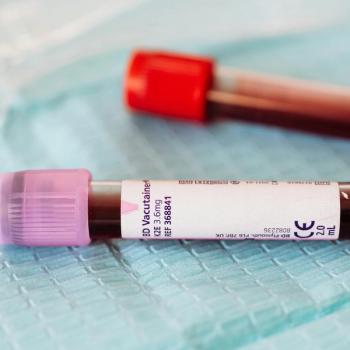
Used as a biomarker across many specialties, the platelet-to-neutrophil ratio may soon enter ophthalmology for diabetic macular edema prediction.

This review highlights disparities among patients of color in terms of atopic dermatitis prevalence, management, and outcomes in the post-COVID-19 world.

Our Q1 recap for gastroenterology spotlights regulatory updates, clinical trial data, and new research and guidance about colorectal cancer screening.

Statistically significant improvements were seen in BAS, MFI, SF-36 subscores, SSS fatigue, disrupted sleep. PEM, and orthostatic intolerance.

Data from nearly half a dozen trials suggests steroidal MRAs may provide little benefit in kidney transplant patients.

Noor discussed the development of an AI model and app trained with a novel saturation strategy to help diagnose mpox.

The study evaluated more than 450 patient visits and concluded AI decision support could improve adherence to guideline-adherent care recommendations.

Lam discussed a retrospective cohort analysis he presented at the 2025 ACP IM meeting and its findings.

The Best Practice Advice is aimed at detailing benefits and harms of cannabis or cannabinoids in the management of chronic noncancer pain.

Louis discussed the ASKmeGOC study and an electronic tool to help facilitate patient preference documentation.
Investigators encourage further study of treatment and therapy methods for childhood IBD.

Patients hospitalized for STEMI achieved similar outcomes with rivaroxaban as warfarin after three months of follow-up in the RIVAWAR trial.

While the final treatment decision is with the physician, AI may have a role in assisting decision making in virtual urgent care.

Using CURE-CKD Registry data, the analysis showed relatively rapid-onset CKD was common in people with prediabetes, especially with hypertension or ASCVD.

Patients switching to tirzepatide had greater improvements in HBA1C and weight at week 40 in a phase 4 RCT.

In the first of 2 episodes spotlighting the meeting, hosts break down news and updates from the Advanced Technologies and Treatments for Diabetes meeting.

Study indicates pediatric uveitis can occur independent of autoimmune conditions and dupilumab use

In a new analysis at ACC.25, abelacimab reduced bleeding rates across the risk spectrum, with more benefits for those at higher bleeding risk.

These findings were the result of a new analysis of the inflammatory characteristics associated with the efficacy sustenance of biologic medications for psoriasis.

Q1 2025 featured several regulatory updates in psychiatry, such as esketamine as the first monotherapy for treatment-resistant depression.

Our Q1 recap for hepatology spotlights regulatory updates, clinical trial data, 2 new guidance documents, and the anniversary of a historic FDA approval.

Cocoa flavanols can be helpful over a brief period, but after 2 years there is little benefit to risk of age-related macular degeneration.