

In the fourth segment of this 6-part RX Review, experts discuss potential barriers to implementation of the USMSTF guidance and compliance challenges.
In the fourth segment of this 6-part RX Review, experts discuss potential barriers to implementation of the USMSTF guidance and compliance challenges.
In the third segment of this 6-part RX Review, experts discuss key updates from the previous 2014 iteration of the USMSTF guidance.
In the second segment of this 6-part RX Review, experts discuss benchmarks for assessing adequate bowel preparation and the need for standardized scoring.
In the opening segment of this 6-part RX Review, experts discuss new USMSTF guidance on bowel preparation for colonoscopy.
In this episode, hosts discuss a study assessing the benefit and feasibility of AID for type 1 diabetes with the iLet Bionic Pancreas in different settings.

AID technology outperformed CGM alone to reduce HbA1c, without increasing hypoglycemia, in adults with insulin-treated type 2 diabetes.

These recent data demonstrate small doses of doxycycline, an anti-inflammatory medication, may help manage lymphocytic scarring alopecia.

Lugar spoke with HCPLive about when to refer patients with suspected ISM to an allergist, highlighting allergic manifestations, diagnostic clues, and misconceptions.

Banerjee explains the need for noninvasive tests for MASH and reviews promising findings from the RADIcAL-1 trial of LiverMultiScan versus standard of care.

This March 2025 SOCS News Update highlights misconceptions related to skin health, the value of diversity in clinical research, and SOCS Symposium highlights.

AstraZeneca announced eneboparatide normalized serum calcium with statistical significance at 24 weeks compared with placebo.
HCPLive spoke with Lugar on indolent systemic mastocytosis’ allergic manifestations and diagnostic markers.

Patients with celiac disease had a 2-fold greater risk of developing a chronic liver disease and experiencing major adverse liver outcomes.

Jolanta Bernatoniene, PhD, discussed positive results from the APeX-P study of oral berotralstat in children with hereditary angioedema.
In this episode, hosts discuss the launch of the Control-IQ+ AID algorithm with Laurel Messer, PhD, RN of Tandem Diabetes Care.

These data highlight the potential benefit of continuous treatment with subcutaneous spesolimab for generalized pustular psoriasis (GPP).

The phase 3 REALISE study found EPIT with VP250 had a strong safety profile, with severe adverse events dropping from 9.7% in year 1 to 0.3% in year 3.
In the RADIcAL-1 trial, mpMRI with LiverMultiScan reduced liver biopsies, led to fewer specialist consultations, and improved MASLD diagnosis rates.

This interview with Christopher Sayed, MD, features a discussion about his team’s recent findings on bimekizumab for hidradenitis suppurativa.

New ACP migraine guidelines recommend adding a triptan to NSAIDs or acetaminophen for better relief. Combination therapy offers greater pain relief and fewer rescues.

The success of community-based point-of-diagnosis HCV treatment in the NOW trial was attributable to collaborative care with an integrated pharmacy team.

Mukkamala discussed other priorities the AMA’s Substance Use and Pain Care Task Force is tackling with OUD.

Initiation of the MOMENTUM clinical trial will explore the prevalence of endogenous hypercortisolism in patients with resistant hypertension.
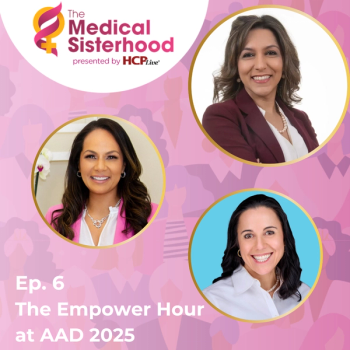
Latanya Benjamin, MD, and Lindsay Ackerman, MD, joins The Medical Sisterhood in a live recording at AAD 2025 to discuss advocacy, mentorship, and empowerment.

A study found ceftriaxone was the most common drug to lead to anaphylaxis in children.

Lerma discusses the current treatment landscape for IgA nephropathy and what role APRIL inhibition may play in treating IgAN.

These pivotal phase 3 data on povorcitinib were the results of the STOP-HS clinical trial, with results suggesting both efficacy and safety for hidradenitis suppurativa.
This quiz, the fourth in this series, assesses your knowledge in post-AK treatment surveillance strategies, risk stratification, and more.

If approved, this indication targets the treatment of adult patients with heart failure with a left ventricular ejection fraction of ≥40%.

The submission is supported by results from the phase 3 DUPLEX Study and the phase 2 DUET Study in adult and pediatric patients with FSGS.