
The month in review spotlights coverage of the anniversary of resmetirom’s FDA approval and research in autoimmune hepatitis, HBV vaccination, and MASLD.
The month in review spotlights coverage of the anniversary of resmetirom’s FDA approval and research in autoimmune hepatitis, HBV vaccination, and MASLD.
Our Q1 2025 recap for endocrinology spotlights 5 regulatory updates, 5 key trial announcements, and top expert perspectives in diabetes care.

The study proves that cataract, glaucoma, and age-related eye disease can be exacerbated by exposure to several common pollutants simultaneously.

Vallerie Mclaughlin, MD, discusses the ZENITH trial and its historic effects of sotatercept on mortality, transplant risk, and more in PAH.

At ACC.25, Robert S. Rosenson, MD, discusses the efficacy and safety of solbinsiran, an ANGPTL3 inhibitor, in a population with mixed dyslipidemia.

TSND-201 (methylone) met its primary endpoint in the phase 2 IMPACT-1 trial, showing rapid, significant PTSD symptom improvement with a good safety profile.

These data on patients in Japan demonstrate positive efficacy and safety findings in real-world settings, with uniquely positive results among bio-naïve patients.
Despite failing to achieve significance for its primary endpoint, investigators suggest the trial further demonstrates the potential of cell therapy in HFrEF.
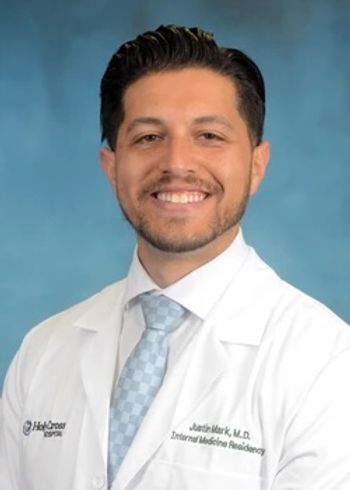
Justin Mark, MD, discusses an analysis of the FIGHT trial looking at racial and ethnic differences in heart failure outcomes.

Mantzoros explains the need for multidisciplinary MASLD care and how to balance lifestyle modifications with emerging medications.
Patient-reported outcome measures display positive trends after hematopoietic stem cell transplantation for patients with sickle cell disease.

Jose Lopez, MD, discusses findings and perspective into racial and ethnic differences in DbCM from the ARISE-HF trial.

Ragni discussed unique advantages fitusiran offers over other approved therapies for hemophilia A or B.
Ruff discusses a new analysis of AZALEA-TIMI 71 at ACC.25, which shows that the novel Factor XI inhibitor significantly lowered bleeding in elderly patients.

The Biologics License Application submission for sibeprenlimab is supported by results from the phase 2 ENVISION and phase 3 VISIONARY clinical trials.

In this analysis, links between psoriasis and metabolic and cardiovascular risk were evaluated along with correlations between biomarkers and severity.
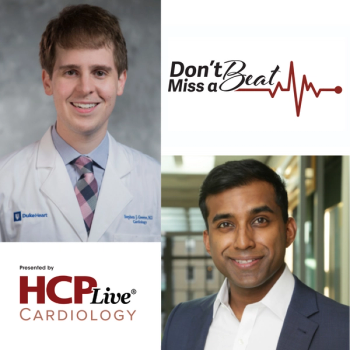
Hosts break down the STRIDE and SOUL trial results and reflect on how they might inform treatment strategies in the respective patient populations.

A study links daily discrimination to greater depression and anxiety rates, with marginalized groups facing greater mental health risks across the US.

Kwo describes different barriers to hepatitis A and B vaccination for people with liver disease and looks ahead to future innovations and novel strategies.

Steve Nissen, MD, discusses the phase 2 ALPACA trial and how it informs the potential of lepodisiran for lowering Lp(a).

Pulse oximeter bias was less negative in darkly pigmented skin, suggesting a difference in performance across skin pigment categories.
Phase 2 data at ACC.25 provide further insight into the effects of lepodisiran on serum Lp(a) and other biomarkers of risk.

An audio recap of the top 5 stories in healthcare news from the week of 03/23-03/2.

Intravenous iron supplementation was safe but showed mixed improvement in cardiovascular outcomes in the FAIR-HF2 trial at ACC.25.


Dapagliflozin lowered the incidence of all-cause death or worsening of heart failure versus standard care in the DapaTAVI trial at ACC.25.

A secondary analysis of FINEARTS-HF found consistent efficacy of finerenone on heart failure events and cardiovascular death, irrespective of AF status.

Bhatt examines the potential reversal of the antiplatelet effects of ticagrelor with bentracimab in the REVERSE-IT trial.

FARES-II trial shows 4-factor PCC is safer, reduces bleeding, transfusions, and complications vs frozen plasma in cardiac surgery.

Four-year results from SOUL at ACC.25 were the first to test the cardiovascular benefits of an oral GLP-1 RA in high-risk type 2 diabetes.