

An analysis of data from 2 PBC and PSC cohorts suggests fatigue is common, especially in females with PBC, and may be influenced by pruritus.
An analysis of data from 2 PBC and PSC cohorts suggests fatigue is common, especially in females with PBC, and may be influenced by pruritus.
Our Q1 2025 recap for ophthalmology spotlights 5 regulatory updates, 5 key trial announcements, and two episodes of our flagship ophthalmology podcast.
Our Q1 2025 recap for pulmonology spotlights 5 regulatory updates, 5 key trial announcements, and top expert perspectives in pulmonology care. Read now:
In our Q1 recap for dermatology, we spotlight clinical trial data, recent updates, and advancements in therapeutic options.
Q1 2025 sleep updates include FDA rejecting pitolisant NDA for idiopathic hypersomnia, iptacopan improving PNH fatigue, and more.

AHNCI is at the forefront of sarcoma research, with recent contributions presented at the 2024 Musculoskeletal Tumor Society annual meeting.
Lung cancer is still the leading cause of cancer deaths, but effective screening and early detection can decrease a person’s chance of dying by 20%.
AHN is proud to offer three highly skilled chronic total occlusion operators at Allegheny General Hospital.

Scoping review results suggest AUD medications may improve hepatic outcomes in patients with ALD, but limited research exists on such an association.
The AHN Medicine Institute is launching a new Advanced Allergy and Asthma Clinic.
Robotic-assisted joint replacement surgery may improve outcomes and recovery.

Aflibercept 8 mg produced the same or better results compared to other anti-VEGFs while requiring fewer injections.
Complex PAD may be treated by minimally invasive percutaneous transmural arterial bypass (PTAB) using the DETOUR System by Endologix.

Our Q1 2025 recap for cardiology spotlights 6 regulatory updates, 5 key trial announcements, and top expert perspectives in cardiac care.

Goenawan discussed a meta-analysis he presented at the ACP Internal Medicine 2025 meeting.

BRIMOCHOL PF, a combination eye drop for presbyopia, achieved all primary and secondary endpoints in its most recent trial.

This research highlights the potential of a tripeptide as a topical emollient-based cream for patients with psoriasis.
This episode unpacks ethical challenges of psychedelic therapies, such as consent and integrating traditional practices into mainstream medicine.
Our Q1 recap for nephrology spotlights regulatory updates, new clinical trial data, and advancements in xenotransplant.
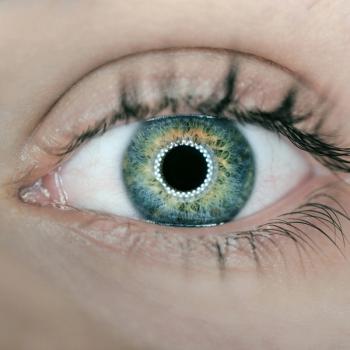
Inflammation due to chronic stress may establish connection between food insecurity and other eye diseases

Winfrey discussed how noninvasive CRC screening tests can help meet gaps when patients face barriers to colonoscopy.
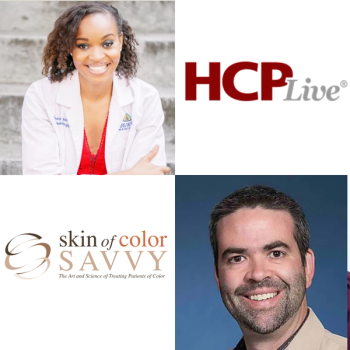
This episode of the SOCS podcast features an in-depth discussion between Crystal Aguh, MD, and John Harris, MD, PhD.

Allergy treatment use increases postpartum depression risk in women with allergic rhinitis, a study found.

Erickson discussed key health policy issues the ACP is pushing back against during the organization’s Internal Medicine meeting.

Study findings suggest use and monitoring of commonly evaluated hepatic biomarkers and fibrosis scores may provide additional prognostic value in PBC.
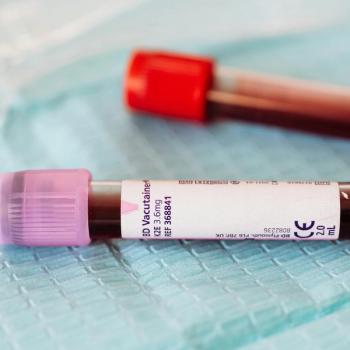
Used as a biomarker across many specialties, the platelet-to-neutrophil ratio may soon enter ophthalmology for diabetic macular edema prediction.

This review highlights disparities among patients of color in terms of atopic dermatitis prevalence, management, and outcomes in the post-COVID-19 world.
Our Q1 recap for gastroenterology spotlights regulatory updates, clinical trial data, and new research and guidance about colorectal cancer screening.

Statistically significant improvements were seen in BAS, MFI, SF-36 subscores, SSS fatigue, disrupted sleep. PEM, and orthostatic intolerance.

Data from nearly half a dozen trials suggests steroidal MRAs may provide little benefit in kidney transplant patients.