

A phase 3 trial found the Viaskin peanut patch effective in desensitizing peanut-allergic children aged 1 – 3 years, regardless of asthma, atopic dermatitis, or other food allergies.
A phase 3 trial found the Viaskin peanut patch effective in desensitizing peanut-allergic children aged 1 – 3 years, regardless of asthma, atopic dermatitis, or other food allergies.

Kraus explains current unmet needs in IgA nephropathy and what sibeprenlimab may offer based on the phase 3 VISIONARY study.
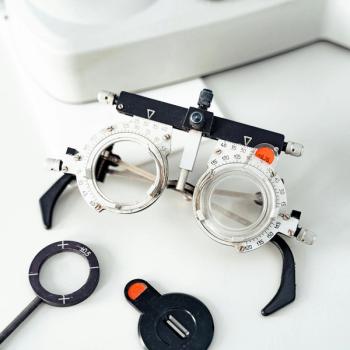
Results indicate that FDD should be accounted for when measuring ganglion cell inner plexiform layer (GCIPL) in eyes with glaucoma.

Once-daily orforglipron showed strong efficacy and safety, matching injectable GLP-1s for A1c reduction and weight loss in the ACHIEVE-1 trial.

If approved, aflibercept 8 mg would mark the first RVO treatment indicated for up to every 8-week dosing, halving the injection frequency of other anti-VEGF options.

These findings highlight the impact of guselkumab on liver fibrosis progression among individuals living with psoriasis.

In a recent study, a diagnostic protocol of 1:10 intradermal tests and subcutaneous provocation showed high accuracy for diagnosing immediate-type anesthetic allergy in children.

Meta-analysis results showed patients with ZZ AATD had a greater risk of liver disease and liver cancer than patients in comparator cohorts.

Radhakrishnan describes a unique initiative in Pittsburgh promoting health equity and closing the gap in cardiovascular health disparities.

Revolutionizing Atopic Dermatitis 2025 Annual Meeting cochair Raj Chovatiya, MD, PhD, previews the upcoming meeting.

Mona Shahriari, MD, previews the upcoming Revolutionizing Atopic Dermatitis Annual Meeting being held in Nashville, TN from June 06-07.

A pair of experts discuss unmet needs and educational gaps related to atopic dermatitis.

A new study identified 6 distinct CRSwNP endotype clusters, revealing that patients with mixed type 1/3 inflammation experience faster polyp recurrence than those with type 2 inflammation.
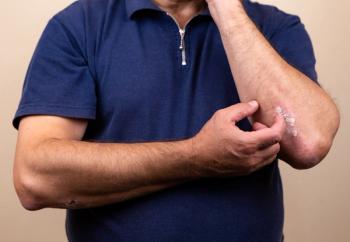
Ustekinumab and its generic biofamailiar SYSA1902 exhibited clinical equivalence in terms of safety, efficacy, pharmacokinetics, and immunogenicity.
This episode spotlights a pair of studies examining use of semaglutide from the American College of Cardiology's 2025 Scientific Sessions.

The FDA cleared the expanded indication for the treatment of endogenous hypercortisolemia in adults with Cushing’s syndrome.

Past month binge drinking rates were greater among females 18-25 years of age than males from 2021-2023, reversing trends seen from 2017-2019.

Mindy Hoang, MD, discussed Wayne State University’s program to help clinicians understand and address underserved patients’ potential social needs.
Test your knowledge below on pooled data from the ADORING trial program and stay up to date with clinical advancements in atopic dermatitis.

Inhalant exposure at work is linked to worse FESS outcomes in CRSwNP patients, with less symptom relief and higher polyp recurrence, a new study finds.

Counting down the most impactful news at major medical meetings, it’s the HCPLive Five! This episode focuses on 5 key internal medicine updates from the 2025 American College of Physicians (ACP) IM meeting.

The new global guideline consensus streamlines and simplifies existing MASLD recommendations from current guidelines and guidance documents.

Justin Riley Lam, MD, discussed findings from a retrospective cohort analysis at the 2025 ACP Internal Medicine Meeting.

The study indicates which biomarkers should be prioritized to predict neovascular AMD and geographic atrophy.

Investigators believe the connection may account for a substantial number of anemia cases in children.

Angel Goenawan, MD, shared findings from a meta-analysis of surgical and nonsurgical clinical trials.
Individuals treated with ezetimibe shortly after myocardial infarction experience an improved prognosis versus those who receive delayed treatment or none at all.

This network meta-analysis compares the relative effectiveness and safety of different monotherapies for patients living with alopecia areata.

Combining FESS with selective vidian neurectomy improved long-term nasal symptom control, especially nasal itching, in CRSwNP, allergic rhinitis, and asthma.

Liver transplant recipients with infective endocarditis had greater odds of in-hospital mortality, ICU admission, and longer length of stay.