

Parkinson’s is often diagnosed after symptoms of the disease have already begun to appear; these results may lead to a more preemptive indication of pathogenesis.
Parkinson’s is often diagnosed after symptoms of the disease have already begun to appear; these results may lead to a more preemptive indication of pathogenesis.
The month in review spotlights new data for COPD and bronchiectasis, as well as new research and conversations around smoking.

A new study highlights rapid relief and high satisfaction with PFHO for dry eye disease, showing significant symptom improvement within minutes.
Recent psychiatry updates reveal setbacks and breakthroughs in treatment, including Cobenfy's trial results, evolving patient-provider dynamics, and rising binge drinking among young women.

In this analysis, investigators highlighted both the efficacy and safety regardless of previous utilization of biologic therapies.

New research links high smoke pollution to increased respiratory hospitalizations in older adults, highlighting urgent health risks from wildfires.
The month in review spotlights hepatic FDA and pipeline news as well as new research on alcohol and obesity's impact on liver health and PBC.

Clinical evidence may not reflect the incidence of IOI in real-world applications treating age-related macular degeneration and diabetic macular edema.

Mepolizumab significantly reduces COPD exacerbations in patients with eosinophilic phenotype, offering new hope for improved management and patient outcomes.
In this iteration of our Month in Review series, we highlight some of the most notable stories covered in April in the dermatology field.
Liver Lineup: Updates & Unfiltered Insights is a hepatology podcast from HCPLive hosted by Nancy Reau, MD, and Kimberly Brown, MD, exploring the latest news and research in liver disease.

After following up twice between ages 17 and 24, investigators discovered a three- to five-fold increase in blood glucose and insulin resistance, predicting a matching increase in heart disease risk.
In this episode, hosts explore the promise of semaglutide 2.4 mg in improving liver outcomes for MASH in the Phase 3 ESSENCE trial.

New Phase 3 trial results reveal semaglutide's effectiveness in treating metabolic dysfunction-associated steatohepatitis, offering hope for millions.

This analysis was a single-center retrospective cohort study, with investigators highlighting an underrecognized alopecia pattern.


Patients provided with a Post-Acute Care Hypertension consultation and a method of daily medication reminders presented lower blood pressure on follow-up.

Johnson & Johnson announced the approval of FcRn blocker nipocalimab for adults and children > 12 years who are AChR or MuSK antibody positive.

FDA further postpones action date for elamipretide, a potential treatment for Barth syndrome, as discussions on labeling progress.
This announcement by Q32 Bio Inc. highlights the Fast Track designation by the FDA granted to bempikibart (ADX-914) for alopecia areata.

In this interview, Christopher Bunick, MD, PhD, speaks on the elements of the RAD 2025 conference that he is most anticipating.

Alto Neuroscience developed an EEG biomarker that predicts placebo response in MDD trials, potentially improving drug effect detection and reducing trial variability.

From 1990-2021, global CKD-related deaths and DALYs attributable to physical inactivity increased, especially in low-SDI regions and among females.

Data suggest that etripamil may be more effective than vagal maneuvers and oral prophylaxis, minimizing emergency department visits.

Trial data reveal phentolamine ophthalmic solution's potential to treat night vision disturbances post-keratorefractive surgery, addressing a critical unmet need.

These data were the conclusion of a case series highlighting the experiences and responses of African American patients with alopecia areata who utilize JAK inhibitors.

Cutler told HCPLive it was surprising that a new survey on subcutaneous TEV- ‘749 revealed 50% and 45.5% of nurses and physicians, respectively, preferred intramuscular injections.
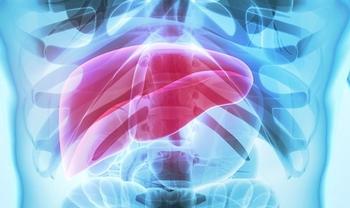
Findings suggest the benefit of MASLD-focused anti-inflammatory interventions for promoting brain health and preventing accelerated brain aging.
In this episode, hosts explore the findings of the Catalyst trial on hypercortisolism and its impact on type 2 diabetes.