

Findings suggest a connection between RVO history and cystoid macular edema with the risk of developing postoperative macular edema after uneventful cataract surgery.
Findings suggest a connection between RVO history and cystoid macular edema with the risk of developing postoperative macular edema after uneventful cataract surgery.

Long-term studies reveal that benralizumab achieves sustained remission in severe eosinophilic asthma, significantly reducing exacerbations in older adults.

Kendall E. Donaldson, MD, discusses the significant impact of lotilaner ophthalmic solution on symptoms in patients with Demodex blepharitis in the Orion registry.
With the sNDA acceptance, the FDA has assigned a Prescription Drug User Fee Act (PDUFA) target action date of January 13, 2026.

In this retrospective study, investigators highlight the effectiveness and safety of baricitinib and systemic corticosteroid addition for alopecia areata.

Banerjee describes the value of multiorgan MRI for predicting cardiac and liver outcomes and cT1’s prognostic utility in liver disease.
The recent analysis has indicated the implant’s relative success in maintaining treatment for NIU without need for supplementary treatments.

Elevated lipoprotein(a) levels significantly increase the risk of recurrent cardiovascular events, highlighting the need for effective LDL-C-lowering therapies.

In this cross-sectional study, investigators looked at the relationship between neighborhood-level socioeconomic status and hidradenitis suppurativa.


Levy explains the unmet need for effective PSC treatment options and reviews new data from the phase 2 ELMWOOD trial of elafibranor in PSC.
Recent data from the GALE trial align with OAKS and DERBY results, indicating a successful treatment of geographic atrophy.

New research follows a previous landmark study that linked mucus plugs to increased mortality in people with COPD even without hallmark symptoms.
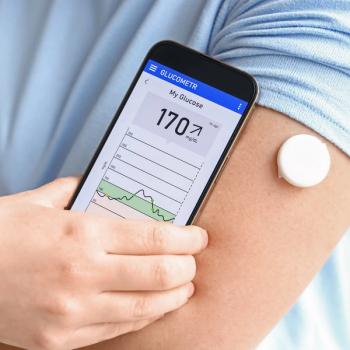
Adult-onset T1D significantly raises cardiovascular disease and mortality risks, highlighting the need for improved management and prevention strategies.

In this analysis, investigators looked at the extent to which psoriasis severity correlates with patients’ risk of developing sleep disorders.

A study reveals CoMiSS effectively monitors symptom improvement in infants with cow's milk allergy during elimination diets, guiding dietary adjustments.

The Amsterdam-Oxford Model successfully predicted adverse outcomes in a US cohort of PSC patients, validating its generalizability.

Goldberg’s post hoc analysis has indicated that AREDS and AREDS2 vitamins do not slow either GA progression to the fovea or overall GA growth.
FDA accepts BioCryst’s NDA for berotralstat oral granules in kids with HAE; priority review granted. Approval could bring first oral prophylactic for kids aged <12 years.
In part 2 of this episode of Crisis Point, 4 experts on pain and opioid misuse discuss continuing efforts to turn the tide.

Anthony Lembo, MD, explains the Vibrating Capsule’s utility in chronic idiopathic constipation and reviews findings from a post hoc analysis of a phase 3 trial.

These findings highlight the potential for JAKi use in alopecia areata in terms of associated neuroimmune dysregulation and comorbidities.

A study reveals that two-thirds of children with high-risk cow's milk allergies tolerate baked milk, suggesting potential for early allergy management.

A post-hoc analysis has indicated that aflibercept 8 mg has the potential to shorten or lengthen intervals between treatment in patients with DME.
In part 1 of this episode of Crisis Point, 4 experts on pain and opioid misuse discuss the evolving public health crisis.
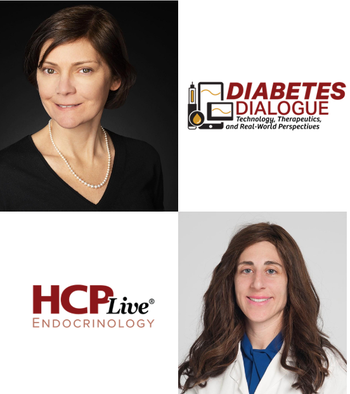
Hosts explore Luna Diabetes automated insulin delivery system, designed to enhance sleep and improve glucose control for people with diabetes who use pens.

These data compare the characteristics and trends of anaphylaxis caused by goat and sheep’s milk allergies with those of cow’s milk and peanut allergy.

New findings reveal that timing of antihypertensive medication—bedtime vs. morning—shows no significant impact on health outcomes for frail older adults.

View slated interviews with experts and 7 clinical trials to watch at ATS 2025.

A study reveals a significant link between iron deficiency anemia and increased ischemic stroke risk in young adults, highlighting urgent screening needs.