

Prevot describes her research exploring the relationship between OSA severity and abdominal obesity metrics as well as changes in both metrics following CPAP.
Prevot describes her research exploring the relationship between OSA severity and abdominal obesity metrics as well as changes in both metrics following CPAP.

Elizabeth Hale, MD, discusses the need to improve awareness and diagnosis of actinic keratosis.

Stay updated with the latest healthcare breakthroughs, including FDA approvals and innovative treatments, in this week's essential news roundup for professionals.

Panretinal photocoagulation and anti-VEGF therapy combined also results in better BCVA and were less likely to require additional treatment within 1 year.

These data from ATS 2025 highlight patients’ real-world outcomes related to treatment of their chronic obstructive pulmonary disease (COPD) with dupilumab.

The FDA approves treprostinil inhalation powder, enhancing treatment options for patients with pulmonary arterial hypertension and interstitial lung disease.

A recent study validated an online tool’s ability to accurately predict peanut allergy; the basophil activation test was the top performer, especially when paired with Ara h 2-sIgE.

While aflibercept 8 mg and faricimab both trigger intraocular pressure, the effects are transient and no more significant than other anti-VEGF treatments.

The analysis of pooled data from BOREAS and NOTUS highlight dupilumab’s sustained impact on lung function in patients with COPD and type 2 inflammation.

In this interview, Chalmers highlights the implications of his team’s subgroup analysis findings in the ASPEN trial, as well as unmet needs for non-cystic fibrosis bronchiectasis.

A new study identifies GDNF, IL-18R1, and IL-15RA as key biomarkers in seasonal allergic rhinitis, linked to symptom severity and immune pathways.

Triamcinolone acetonide injections effectively prevent diabetic macular edema after vitrectomy, highlighting its potential in postoperative care.
Hosts Kimberly Brown and Nancy Reau break down 4 of the top abstracts presented at the 2025 European Association for the Study of the Liver (EASL) Congress.
The FDA approves mepolizumab as a new maintenance treatment for COPD, showing significant reduction in exacerbations for specific patients.

Gyre Therapeutics plans to file an NDA in China based on the phase 3 CHB data and, pending IND clearance, is looking to initiate a phase 2 MASH fibrosis trial in the US.

A new study found ocular allergy affects 49.3% of students aged 11–18 years in Trinidad and Tobago—greater than in the US, Sweden, Brazil, and Uganda.

Discover innovative treatments for plaque psoriasis that cater to diverse skin tones, offering effective relief without the risk of discoloration.
This approval of roflumilast foam as a once-daily topical treatment for psoriasis of the scalp and body followed the phase 3 ARRECTOR study findings.

Calprotectin emerges as a promising biomarker for predicting atherosclerotic cardiovascular disease risk, independent of traditional risk factors.

Findings from a post hoc analysis of the phase 3 DIRECTION study highlight tezepelumab’s consistent benefit on asthma exacerbations across trigger categories.

Trief and MD candidate Justin Cheong physically peeled the Haab’s striae from a patient’s eye, allowing for better adherence and maintenance of the DSEK graft.
Susvimo is the first FDA-approved continuous delivery treatment for diabetic retinopathy capable of maintaining vision through one refill per 9 months.

Jain discussed Rejoyn, the FDA-approved digital therapeutic app that enhances major depressive disorder treatment with engaging brain training and mindfulness exercises.

At ATS 2025, these data highlight a potential connection between asthma development and prenatal exposure to microplastics and other forms of pollution.

Murphy discusses innovative surgical techniques for managing glaucoma and cataracts, emphasizing minimally invasive approaches and the future of ophthalmology.

This interview highlights the subgroup analysis findings of the ASPEN trial, specifically on brensocatib for non-cystic fibrosis bronchiectasis.
This special episode of Lungcast features Harold P. Wimmer, CEO of the ALA, and Francesca Polverino, MD, PhD, an ALA spokesperson.
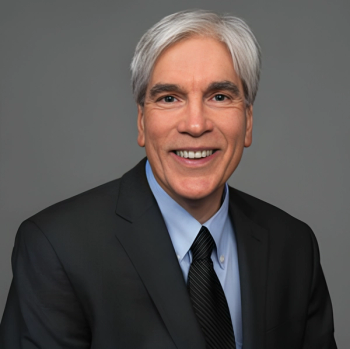
Gerard Criner, MD, reviews findings from a secondary analysis of the phase 3 MATINEE trial of mepolizumab and looks ahead to the potential significance of the drug, if approved.

Only 50.3% of physicians consistently manage drug hypersensitivity. Study urges mandatory training, better protocols to improve patient safety.

In her interview at ATS, Willen further described elements highlighted in her presentation on new treatments for sickle cell disease.