

CABG procedure proves to be effective in treating severe CAD cases.
CABG procedure proves to be effective in treating severe CAD cases.

Yale researchers reveal how geographic factors impact health risks for older Americans, highlighting disparities in mortality and disability rates.
In this episode, hosts explore technosphere inhaled insulin (Afrezza) in comparison to standard diabetes therapies in the INHALE-3 trial.

Loading doses of the two anti-VEGF treatments for macular edema secondary to branch retinal vein occlusion may be interchangeable, providing a cheaper alternative to ranibizumab.

This ATS interview features Lisa Wood, PhD, discussing recent findings related to childhood dietary intake and its connection to respiratory health.

Study suggests age 2 may be optimal for hen’s egg oral food challenge in FPIES. Early OFCs linked to higher risk of positive results in Turkish pediatric cohort.

Despite the effectiveness of weight loss medications like Ozempic and Wegovy, only 3% of eligible adults receive prescriptions, highlighting significant disparities.

Yale researchers unveil a groundbreaking 3D-bioprinted synthetic aorta, promising revolutionary advancements in cardiovascular disease treatment and patient care.

Researchers uncover a mechanism of insulin resistance in obese adolescents, paving the way for potential interventions to prevent type 2 diabetes.

New research suggests intensive blood pressure management may significantly benefit adults aged 80 and older, challenging previous treatment assumptions.

Iron deficiency affects millions globally, especially women, yet remains underdiagnosed. Regular screening can prevent severe health issues and improve lives.

Bose explains her research on vaping among millennial adults who may be at peak lung health, describing the diverse landscape of vaping devices and products.

A recent study reveals that glaucoma surgery significantly improves visual outcomes and reduces medication burden in children with uveitic glaucoma.

Amy Spizuoco, DO, joins the show to discuss her journey as a key opinion leader in dermatology.

New clinical guidelines offer 11 key actions for managing chronic rhinosinusitis, guiding surgery decisions, and improving patient care.

View conference highlights from HCPLive’s coverage of the American Thoracic Society (ATS) International Conference 2025.

A retrospective study indicated the safety and efficacy of FA implants, exhibiting its success in lowering central retina thickness.

Prothena halts birtamimab development after missing key Phase 3 trial endpoints for AL amyloidosis, prompting workforce reductions and cost-cutting measures.
With the priority review acceptance of the Biologics License Application, the FDA has assigned a PDUFA target action date of November 28, 2025.


In this interview, nerandomilast’s safety profile in idiopathic pulmonary fibrosis (IPF) and progressive pulmonary fibrosis (PPF) is highlighted.

Discover the critical role of Lp(a) measurement in assessing cardiovascular risk and its potential impact on CVD prevention strategies.
Hosts break down their biggest takeaways and detail their favorite sessions from the AACE 2025 annual meeting.

Recent results have confirmed faricimab’s efficacy, although a small sample size and short follow-up period invite further studies.

New predictive models enhance clinical decision-making for children with pneumonia, identifying severity levels to improve treatment outcomes effectively.

Real-world evidence highlights baricitinib's effectiveness and safety for treating atopic dermatitis and alopecia areata, showing high patient satisfaction and significant improvements.

Attaway reviews data demonstrating the potential benefit of a subspecialty clinic for overcoming current diagnostic and treatment-related challenges for sarcopenia in COPD.
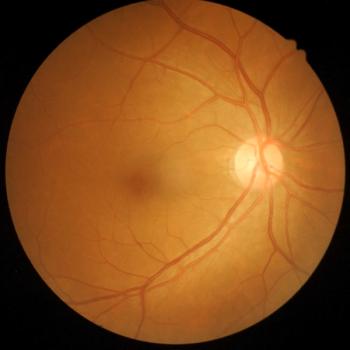
Type 2 macular neovascularization, reductions in outer nuclear layer and central foveal thickness, and intraretinal fluid may indicate higher odds of retinal atrophy.
This interview highlights phase 3 trial data on nerandomilast’s use in idiopathic pulmonary fibrosis (IPF) and progressive pulmonary fibrosis (PPF).

Despite 2020 guidelines discouraging first-generation antihistamines, ED diphenhydramine use for anaphylaxis and urticaria remained unchanged since 2019.