

An ongoing phase 1 study aims to prove the safety and tolerability of VAS-101, as well as its effect on blood flow dynamics, red blood cell sickling, and oxygen dissociation.
An ongoing phase 1 study aims to prove the safety and tolerability of VAS-101, as well as its effect on blood flow dynamics, red blood cell sickling, and oxygen dissociation.

These data suggest that smoking history did not impact rates of malignancy, MACE, and VTE among those with atopic dermatitis treated with upadacitinib.

Preston describes lasting unmet needs in pulmonary arterial hypertension and reviews new pooled data supporting sotatercept’s long-term safety and efficacy.

Novartis has announced the safety and efficacy of iptacopan, a twice-daily oral monotherapy for adult patients who switched from eculizumab or ravulizumab.
The label expansion makes glecaprevir/pibrentasvir the first and only oral 8-week pangenotypic treatment option approved for people with acute or chronic HCV.

In this Q&A interview at RAD 2025, Tiffany Mayo, MD, highlights the biggest takeaways from her talk on complex cases in atopic dermatitis and hair loss.

Potentially the first successful CETP inhibitor, obicetrapib has shown positive trial results in reducing the risk of cardiovascular disease when combined with statins.

At SLEEP 2025, Axsome Therapeutics presented phase 3 ENCORE and SYMPHONY data showing AXS-12 reduced cataplexy attacks and improved daytime functioning in narcolepsy.
In this special episode, cohosts preview the most anticipated data and explore clinical implications in diabetes and obesity.

At SLEEP 2025, Fung discussed how combining a masked taper, CBT-I, and a nightly dose-tracking diary helped older adults achieve long-term benzodiazepine discontinuation.
At SLEEP 2025, Fung shared that masked taper plus CBT-I led to higher benzodiazepine discontinuation and improved sleep in older adults.

Mortality from ALD rose significantly across most demographic groups in the US from 1999 to 2022, especially during and following the COVID-19 pandemic onset.

In the second part of a 2-part episode, hosts Kimberly Brown and Nancy Reau break down 3 more notable abstracts from the 2025 EASL Congress.

In this RAD 2025 interview, Paller highlights her team’s findings on disease and family burden of topic dermatitis in children.

Gulati covers the promises and pitfalls of the healthcare world’s increasing focus on obesity as a disease and the variety of complications to which it gives rise.
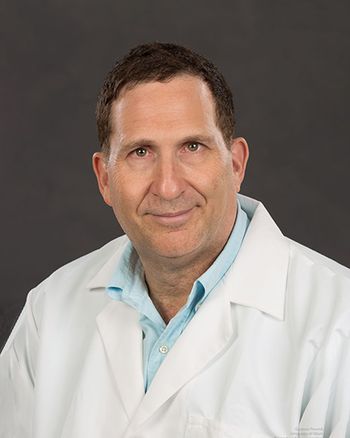
In this interview, Yosipovitch touches on the topics featured in his RAD 2025 presentation ‘Managing Itch,’ specifically regarding patients with atopic dermatitis.

At SLEEP 2025, Danny Eckert, PhD, discussed new drug therapies for OSA, including tirzepatide, AD109, potassium channel blockers, and acetazolamide.
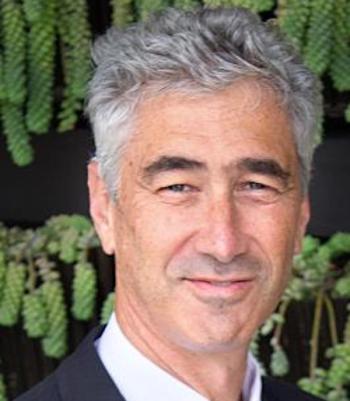
Budoff suggests monitoring serum lipoproteins like Lp(a) and ApoB to predict cardiovascular disease risk in patients with no conventional indicators.


A recap of 3 Kidney Compass podcast episodes recorded at ERA 2025, including summaries and preview clips.

HCPLive spoke with Bowles at SLEEP 2025 on the staggered schedule, referred to as 1/3/2/3, and how it impacts firefighters' sleep.

A recap of 5 studies to know from the ERA 2025 Congress, including expert perspectives.

With so many new medications ostensibly filling the niche typically occupied by ACE/ARBs, are the medications practically useful in a changed treatment landscape?

At SLEEP 2025, Colvonen discussed RCT findings that showed VeNS significantly improved PTSD and insomnia symptoms, offering a scalable solution for patients awaiting 1-on-1 care.
If approved, mavorixafor will be the second FDA-approved treatment and the first oral medication for CN.

This interview with Peter Lio, MD, at RAD 2025 provides several insights into the topic of topical steroid withdrawal versus atopic dermatitis and what the distinction may be.
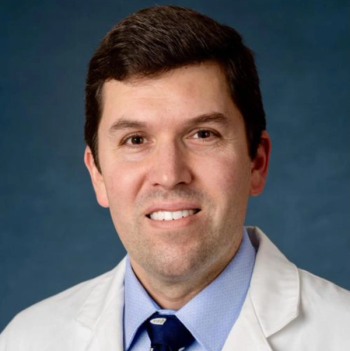
Martin reviews recent trends in cardiovascular disease and contributing underlying risk factors, describing them as a “call to action” for cardiovascular care.

FDA approves the new therapy under the name Enflonsia, offering effective RSV prevention for infants during their first RSV season.

In this interview at RAD 2025, Peter Lio, MD, highlighted whether precision medicine is a possibility in the near future in the atopic dermatitis management space.