
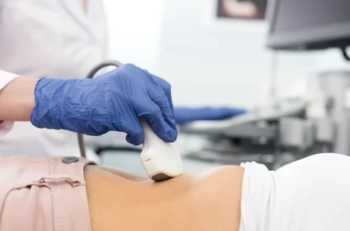
Point-of-care intestinal ultrasound offers real-time, noninvasive monitoring for pediatric IBD, enabling faster, personalized treatment decisions in routine care.
Point-of-care intestinal ultrasound offers real-time, noninvasive monitoring for pediatric IBD, enabling faster, personalized treatment decisions in routine care.

Brendon Neuen, MBBS, PhD, discusses 3 late breaking clinical trials being presented at ERA 2025.

Contrary to prior research, this study indicates that combining tumor necrosis factor inhibitors or another biologic with antimetabolites has a better chance of managing inflammation than any individual medication.

This interview from the 2025 New Wave Dermatology Conference features DiRuggiero discussing challenging psoriasis cases and tips for healthcare providers.

Systematic review of 34 randomized trials finds EMDR most effective, though civilians were more likely than veterans to lose their PTSD diagnosis after treatment.

Stay updated with the latest healthcare breakthroughs, including FDA approvals and new treatment guidelines, in this week's essential news roundup.

A recent study has indicated that FCH results in better tolerability and medication compliance due to lowered risk of adverse gastrointestinal effects.


The May 30, 2025 SOCS News Update highlights cosmetic concerns among patients with skin of color.

Despite controversy, new data show that even high-risk pediatric patients may benefit from a gradual, supervised reintroduction of milk and egg.

Iron deficient diets can lead to anemia and various other health complications in adulthood.

This summary features a variety of abstracts to be presented at the RAD meeting in June 2025, highlighting new data in atopic dermatitis and the dermatology space in general.

A recent study reveals a significant rise in cardiac deaths at home since the COVID-19 pandemic, highlighting urgent healthcare gaps.

Katherine Dahlsgaard, PhD, and Megan Lewis, MSN, discuss how proximity challenges can reduce medically unnecessary avoidance for patients with food allergy anxiety.

Investigators suggest that semaglutide should be used judiciously in treating type 2 diabetes mellitus, as it poses no real risk of nonarteritic anterior ischemic optic neuropathy.

Gerard Criner, MD, spells out GOLD improvements, from interventions like smoking cessation and pulmonary rehabilitation to the heightened importance of spirometry for diagnosis.

This Q&A interview highlights reductions observed in the use of rilzabrutinib for asthma symptom relief in a recent phase 2 study.

Despite shifting guidelines and growing awareness, food allergies continue to rise, and experts point to multiple possible culprits.

Variance in lens size or position and angle width, among other measurements, were effective indicators of long-term angle closure progression, based on a recent retrospective study.

TRYPTYR, formerly AR-15512, displayed rapid onset and sustained tear production in its pivotal Phase 3 trials in 2024.

The FDA approves hydrocortisone oral solution for pediatric adrenal insufficiency, enhancing dosing accuracy and ease for young patients and caregivers.

Counting down the most impactful news at major medical meetings, it’s the HCPLive Five! This episode focuses on 5 key pulmonology updates from the 2025 American Thoracic Society (ATS) International Conference.

Female sex, CRSsNP, prior sinus surgery, and allergies are linked to worse postnasal discharge in chronic rhinosinusitis, a recent study found.

Moderate-severe asthma, anaphylaxis, and allergic rhinitis risk are all higher in children with atopic dermatitis and food allergy.

During her ATS interview, Lisa Wood, PhD, spoke about economic and geographic disparities and their connection to diet and related respiratory health outcomes.

AHN Saint Vincent Hospital offers advanced neurological care, reducing wait times and providing local access to specialized treatments for various conditions.

AHN is proud to offer a new, minimally invasive treatment for stress incontinence in men.

G-POEM procedure at AHN provides easier, minimally invasive option to improve gastroparesis symptoms.

Microsurgical reconstruction now available for complex upper extremity cases.

All surgical options for rhinitis, including turbinate and posterior nasal nerve procedures, significantly reduce congestion, rhinorrhea, and other symptoms.