

Findings suggest sleep disorders are common in PBC and are linked to worse biochemical markers, greater symptom burden, and reduced treatment response rates.
Findings suggest sleep disorders are common in PBC and are linked to worse biochemical markers, greater symptom burden, and reduced treatment response rates.

Recent research uncovers how lifestyle and environmental factors influence the incidence of IgAN and membranous nephropathy.

Explore innovative strategies for asthma management that prioritize shared decision-making and address environmental, social, and behavioral factors.

MAR001 significantly lowers remnant cholesterol and triglycerides in Phase 2a data, offering hope for high-risk cardiovascular patients.

Najy Issa, MD, describes “underwhelming” universal HBV screening uptake since 2023 CDC guidelines were implemented and steps to get more patients screened.

Data released by Cognition Therapeutics shows that oral zervimesine resulted in substantially reduced lesion growth over 18 months compared to placebo.

Horst explains the importance of addressing depression and anxiety in patients with IBD and steps clinicians can take to support their patients’ mental health.

In this interview, Raj Chovatiya, MD, PhD, describes roflumilast cream's success in addressing unmet needs for atopic dermatitis.

A recent study reveals that anaphylaxis rates remain stable during the COVID-19 pandemic, despite reduced emergency visits.

A post hoc analysis of trial data reveals the effects of intraretinal fluid on best-corrected visual acuity in patients after port delivery system treatment for nAMD.

In this episode, hosts explore updates on continuous glucose monitoring (CGM) systems from April 2025.

These phase 3 findings from the ARRECTOR trial, published in JAMA, demonstrate rapid and significant relief from plaque psoriasis with roflumilast foam use.

In a recent review, experts answer frequent questions allergists have about conducting proximity challenges in patients with food allergy anxiety.
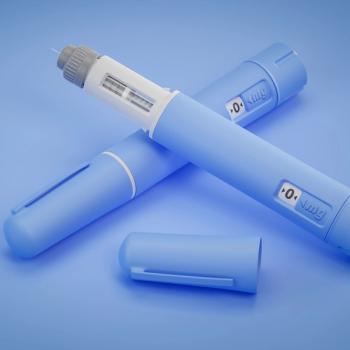
Symptoms of immunoglobulin A nephropathy were reduced substantially during the 1-month follow-up period.

A recent study reveals that asthma-COPD overlap does not significantly worsen outcomes in well-managed severe asthma patients.

NewAmsterdam Pharma announces promising Phase 3 results for obicetrapib, showing significant LDL-C reduction in patients with ASCVD and/or HeFH.

The asthma-related emergency department visits highlighted here, following the Canadian wildfires near Ontario, were attributed to smoke inhalation.

Patients with hereditary angioedema experience high adherence and persistence rates with berotralstat, lanadelumab, and SC-pdC1-INH for long-term prophylaxis.

XGBoost displayed a high rate of accuracy, sensitivity, and precision, indicating its effectiveness at highlighting depressive symptoms before diagnosis.

New findings reveal that higher HbA1c levels worsen asthma control in children, linking metabolic dysfunction to increased asthma morbidity.
EBX-102-02 was well tolerated and led to clinically meaningful improvements across multiple symptom domains in patients with IBS-C.

These data suggest that heart health, as determined by the LC9 assessment, is positively correlated with pulmonary health.

Subgroup analysis findings highlight duvakitug’s efficacy and tolerability across different levels of inflammation in ulcerative colitis.

Digital inhalers enhance asthma control and reduce severe exacerbations, offering promising benefits with minimal harm for patients struggling with adherence.

Biomarker-informed molecular guidance led to greater achievement of disease control compared with standard “best care” for IBD anti-TNF therapy.

Gregory Cote, MD, reviews SHARP trial data suggesting ERCP with miES does not reduce acute pancreatitis risk in acute recurrent pancreatitis and pancreas divisum.

A variety of influences and potential confounders exist to explain the increasing rates of impairment concordant with chronic obstructive pulmonary disease.

Virtual pulmonary rehabilitation enhances access and improves outcomes for COPD patients, demonstrating safety and effectiveness in individualized care.

FDA approves 12.5 mg chlorthalidone tablets, enhancing hypertension treatment options and aligning with clinical guidelines for better patient outcomes.
Our April 2025 month in review highlights significant advancements in endocrinology, including innovative therapies and FDA approvals that enhance diabetes management.