

Rizk discusses the recent FDA accelerated approval of iptacopan (Fabhalta) and reflects on the significance of other therapeutic developments in IgAN.
Rizk discusses the recent FDA accelerated approval of iptacopan (Fabhalta) and reflects on the significance of other therapeutic developments in IgAN.
This month in review highlights the top sleep stories in August, from sleep health in patients undergoing dialysis to the benefits of catching up on sleep.

Ahmad Masri, MD, MS, discusses an integrated safety analysis of aficamten using data from 3 clinical trials.

The decision to revoke the conditional marketing authorization is based on a June 2024 CHMP recommendation from the EMA suggesting the benefits of Ocaliva do not outweigh its risks.

Patients receiving Humira or Hulio had the highest satisfaction levels across different measures.
This August 2024 month in review highlights updates to the ophthalmic pipeline, metformin for geographic atrophy, and decreasing rates of postoperative endophthalmitis in the US.
In this review of August 2024, the editorial team highlighted major stories from the previous month related to FDA approvals and medications for atopic dermatitis and psoriasis.

Siddharth Patel, MD, MPH, discusses how an AZALEA-TIMI 71 analysis presented at ESC Congress 2024.
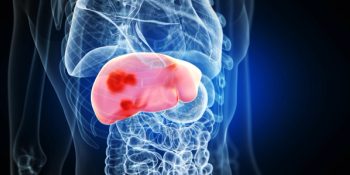
A study suggests transient elastography and fibrosis-4 index may be effective in predicting hepatocellular carcinoma risk in hepatitis C patients.
The HCPLive August gastroenterology month in review spotlights expansions in gastrointestinal treatment and screening access as well as the newest edition of Qazi Corner.

EMPACT-MI study shows empagliflozin is safe post-acute MI and reduces heart failure events, with kidney protection across kidney function levels.

In this episode, Muthiah Vadugnathan, MD, MPH, and Stephen Greene, MD, discuss finerenone and MRA data from ESC Congress 2024.

ESC 2024: Phase 3 PALISADE trial shows plozasiran significantly lowers triglycerides and pancreatitis risk in FCS; NDA planned by year-end.

Kausik Ray, MD, MPhil, discusses the results of the INTERASPIRE study and how it improves our understanding of the effects of elevated Lp(a).

Matthew Cavender, MD, MPH, discusses a study he led at ESC Congress examining utility of the SCORE2-Diabetes risk score using clinical trial data.

MAVA-LTE trial data show mavacamten's sustained benefits in symptomatic obstructive HCM, with long-term improvements in LVOT, NT-proBNP, and quality of life.

A meta-analysis shows GLP-1 RAs and SGLT2 inhibitors offer distinct cardiovascular and kidney benefits in type 2 diabetes.

FINEARTS-HF results suggest finerenone may join SGLT2 inhibitors as a second pillar in treating HFmrEF/HFpEF, cutting total heart failure events by 16%.

Asundexian failed to prove noninferiority to apixaban for its primary efficacy outcome in the phase 3 OCEANIC-AF trial.

Rahul Aggarwal, MD, discusses the findings of a SCORED analysis examining sotagliflozin's effects based on diabetes duration.

Kenneth Mahaffey, MD, discusses FLOW trial data showing semaglutide improves cardiovascular outcomes in patients with type 2 diabetes, regardless of CKD severity.

RESHAPE-HF2 shows mitral transcatheter edge-to-edge repair (M-TEER) reduces heart failure hospitalizations and improves quality of life vs optimal medical therapy alone.

A single blood test using hsCRP, LDL-C, and Lp(a) levels can predict cardiovascular risk for women up to 30 years, emphasizing personalized care.

These Mendelian analysis results highlight an association between alopecia areata and asthma, indicating a mediating role of IL-33.

Sara Diaz Saravia, MD, discusses a study from ESC Congress 2024 examining the utility of cancer history in women as a predictor of subclinical atherosclerosis.
Deepak Bhatt, MD, MPH, MBA, discusses common pitfalls for clinicians when interpreting trial data based on a presentation he led at ESC Congress 2024.

Data for more than 2 million blood donors in Canada provides insight into HCV antibody positivity trends in this notoriously low-risk patient population.

Women with endometriosis experienced a 20% greater risk of cardiac outcomes compared with women without endometriosis.

The STOP-or-NOT trial found similar outcomes for continuation or discontinuation of RAS inhibitors before noncardiac surgery, supporting individualized decision-making.

These data suggest that there are a subset of individuals with complete skin clearance of their psoriasis who report residual effects of their condition.