

These data pointed to a low risk of persistent IOP increases of intravitreous 0.1-mL injection volumes administered for 1 year in eyes with GA.
These data pointed to a low risk of persistent IOP increases of intravitreous 0.1-mL injection volumes administered for 1 year in eyes with GA.

These data suggest that quality of life, assessed by DLQI, may be implemented in determining treatment efficacy among patients with psoriasis.

The FDA accepted the NDA for olezarsen, an RNA-targeted medicine, in familial chylomicronemia syndrome for priority review, with a PDUFA date set for December 19, 2024.

FDA accepts a supplemental New Drug Application for brexpiprazole in combination with sertraline for the treatment of adults with PTSD, with a PDUFA date of February 8, 2025.

The latest in our series of quizzes on the ESC/EAS 2019 Dyslipidemia guidelines tests your knowledge on pharmacotherapy recommendations from the document!

Mezagitamab demonstrated no new safety signals and rapid increases in platelet counts across Phase 2b data in treating persistent or chronic ITP.

These data, resulting from a post-hoc analysis, highlighted the musculoskeletal, skin, and nail outcomes among patients with psoriasis and PsA.

Machine learning outperformed clinical diagnostic criteria and the recommended screening criteria in the United Kingdom in identifying familial hypercholesterolemia.

Data on outcomes stratified according to baseline use of SGLT2 inhibitors from the FLOW trial were presented at ADA 2024.

At 8 months follow-up, 86.0% of patients with rheumatoid arthritis were in remission and 94.2% exhibited low disease activity.
The announcement follows the release of the RhodoLED XL red light-emitting lamp, to be used in combination with aminolevulinic acid hydrochloride topical gel, 10% for actinic keratoses

This analysis among Japanese patients highlights the potential of apremilast for psoriasis patients not responding to topical therapy who may have limited systemic treatment options.

Ralph DeFronzo, MD, discusses the results of the first phase of the CATALYST trial and how results should influence the care of patients with difficult-to-treat type 2 diabetes.

The CATALYST trial sheds light on the true prevalence of hypercortisolism among difficult-to-control type 2 diabetes, with data at ADA 2024 shedding light on adrenal abnormalities and presence among subgroups.

Findings highlight the potential utility of low-dose SGLT2 inhibitors for optimizing diabetes control and managing renal complications in pediatric patients with type 1 diabetes.

A meta-analysis shows hand eczema has a moderate-to-severe impact on quality of life and anxiety.
Dubinett and Spira rejoin Lungcast for an update on their team's research into lung cancer interception.

Study results highlight the impact of continuous glucose monitoring on glucose control and HbA1c improvements in patients with type 2 diabetes, regardless of treatment regimen.
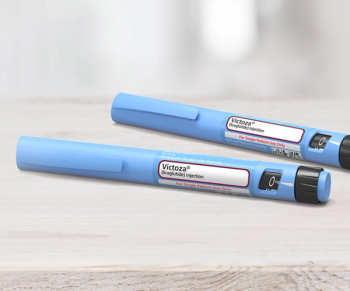
Teva Pharmaceuticals’ launch of an authorized generic of liraglutide injection 1.8 mg (Victoza) for type 2 diabetes makes it the first-ever generic GLP-1.

Vutrisiran achieved statistically significant reductions in primary and all secondary endpoints for patients with ATTR-CM in the HELIOS-B trial.

These data highlight the efficacy of ritlecitinib for patients with alopecia areata and extensive hair loss at baseline.

Anastasia Albanese-O'Neill, PhD, APRN, joins Diabetes Dialogue to discuss newly released consensus guidance on monitoring of early-stage type 1 diabetes spearheaded by Breakthrough T1D.
FDA approves pitolisant for excessive daytime sleepiness and cataplexy in pediatric patients aged ≥ 6 years with narcolepsy.

In the special on-site ADA 2024 episode, hosts are joined by the ADA's Chief Scientific and Medical Officer Robert Gabbay, MD, PhD, to discuss the newly formed Obesity Association.

MOMENTUM trial data shows pemvidutide reduced body weight by 15.6%, with 78.1% fat loss, highlighting the GLP-1/Glucagon receptor agonist's ability to achieve significant weight reduction and minimal muscle loss.

In this episode, hosts are joined by Grazia Aleppo, MD, for a discussion on the use of inhaled insulin following the INHALE-3 trial and relevant updates in diabetes technology at ADA 2024.

An analysis of over 2.5 million patients with type 2 diabetes shows newer GLP-1 RAs are linked to lower HbA1c levels.

Halis Akturk, MD, offers an overview of the growing prevalence and dangers associated with cannabis use among patients with type 1 diabetes.

Use of LX9211 showed significant benefits for diabetic peripheral neuropathic pain in the phase 2 RELIEF-DPN 1 trial.

Details of an analysis from ADA 2024 compared matched cohorts from SURMOUNT-1 and SURMOUNT-2 to determine drivers of differences in weight loss from the trials.