

A Veterans Affairs study finds low alpha-1 antitrypsin phenotyping rates, indicating the need for improved healthcare provider education on AATD.
A Veterans Affairs study finds low alpha-1 antitrypsin phenotyping rates, indicating the need for improved healthcare provider education on AATD.

In an interview, Phillip explained the difference between OCD and body dysmorphic disorder, even though they are grouped in the DSM-5.

A higher dietary intake of several nutrients was strongly associated with slower progression toward the central macula in eyes with non-central GA.

These data suggest that a multidisciplinary clinic approach results in several benefits including reduced risk of cardiovascular events among those with psoriasis.
This clinical quiz will test your knowledge of the 2023 American Association for the Study of Liver Diseases/Infectious Diseases Society of America Hepatitis C guideline.

At ARVO 2024, Roger Goldberg, MD explores the greater reductions in hard exudates achieved with faricimab than aflibercept in eyes with DME.

This analysis was designed to look into the timing and specific elements which mediate the relationship between eczema and systemic antibiotic use.

In an interview with HCPLive, Barnett discussed the ethical concerns of using psychedelics for treating substance use disorders.

Results suggest chronic hepatitis B virus is globally underassessed and undertreated, especially among women and Asian minorities in the West.

In an interview with Adler at APA 2024, he also explained how adults with ADHD may present additional symptoms not noted on the DSM when they have comorbidities.

At ARVO 2024, Deepayan Kar, MD, PhD, describes the potential of measuring contrast sensitivity function using a novel gaze tracking-based VR headset in AMD.

The latest guidance on hypertrophic cardiomyopathy contain new endorsements for the cardiac myosin inhibitor class and other aspects of management.

These data highlight the safety, efficacy, and long-term disease control results of treatment with topical ruxolitinib for a subpopulation of adolescents with atopic dermatitis.

Compass Pathways reports positive results for psilocybin in PTSD treatment, showing safety and symptom improvement in an open-label phase 2 study.

Sofosbuvir/velpatasvir/voxilaprevir rescue therapy was safe and effective, and SVR did not significantly differ based on genotype, cirrhosis, or first-line therapy.

Dolly Chang, MD, PhD, describes results from an exploratory analysis on the long-term impact of rapid fluid reduction on outcomes in DME.

Robert O. Cotes, MD, discusses why the proven agent clozapine may still be underutilized in schizophrenia.

These data from investigators at Trinity College Dublin highlighted the immune response mechanisms visible in children with atopic dermatitis.

In an interview with HCPLive, Karlin and Robinson discuss the phase 2b trial on MM120 for generalized anxiety disorder.

Findings suggest the potential prognostic value of time-averaged serum uric acid for predicting disease progression in IgAN.

In an interview with HCPLive, Karlin discussed the unmet need for GAD screening.

Daniel Su, MD describes the promise of APX3330 for delaying or preventing diabetic retinopathy progression in a post-hoc analysis of the ZETA-1 trial.
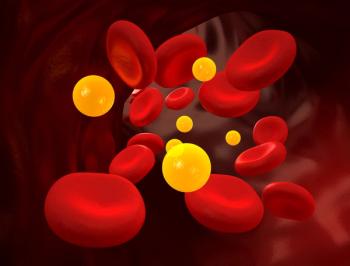
A new study highlights the potential of lipoprotein apheresis for reducing cardiovascular events in patients with elevated Lp(a).

This analysis covered the different types of attitudes as well as behaviors related to sun exposure and skin cancer risk in Japan, comparing it to individuals in Europe and North America.

Findings suggest unstable housing may inhibit direct-acting antiviral treatment initiation in PWID with unstable housing compared to those with stable housing.

These data highlight the elements known to impact patient-reported outcomes among those with psoriasis and successful clinician-reported outcomes following biologic use.

Disease characteristics in wet AMD at baseline were not linked to aflibercept 8 mg dosing interval extensions in the phase 3 PULSAR trial at 96 weeks.
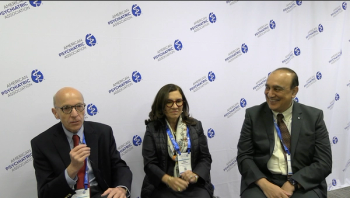
At APA 2024, HCPLive interviewed APA members about how DSM-5-TR classifies psychiatric disorders differently than previous iterations.

Proteinuria < 1 g/d is the current treatment target, but findings suggest patients with uACR between 0.3 and 1.0 g/g face a substantial risk of adverse kidney outcomes.

Daniela Ferrara, MD, PhD described the key takeaways from the machine learning model's performance in predicting outcomes for various treatment durations of faricimab in DME.