

The study found being underweight was linked to age-related hearing loss for males, but for females, both underweight and obese were linked to hearing loss.
The study found being underweight was linked to age-related hearing loss for males, but for females, both underweight and obese were linked to hearing loss.

Curative DAA therapy did not completely normalize immune activation and inflammatory biomarkers in individuals with a history of injection drug use and HCV infection.
A recap of the questions and top comments from our March 04, 2024, pre-AAD LinkedIn Chat highlighting the American Academy of Dermatology's 2024 annual meeting.

Lawrence Eichenfield, MD, reviews prescription and at-home care strategies for pediatric atopic dermatitis, as well as the best measures of disease monitoring.

Jon Martin, US Commercial Lead of Biosimilars at Organon, discusses the decision to select biosimilar adalimumab-bwwd and its potential implications on the pharmaceutical market.

Continuous glucose monitoring was associated with lower odds of diabetic retinopathy development, even after adjusting for hemoglobin A1c levels.

The AAD's Acne Management Guidelines include updates to the recommendations for treating acne and aims to assist clinicians and patients in making informed decisions on acne management. Test your knowledge with this quiz.

On March 07, 2024, Novo Nordisk provided updates on semaglutide 2.4 mg as well as the development programs cagrisema, monlunabant, and amycretin.

People of increasing age and worse socioeconomic status were more likely to be unwilling-in-principle to participate in home-monitoring vision tests.
The drug is the first tocilizumab biosimilar with an FDA-approved intravenous and subcutaneous formulation.
In recognition of the Pre-AAD 2024 meeting, take our quiz based on Society for Pediatric Dermatology resources.

Boiko discusses the annual weeklong summer camp for children and adolescents with skin diseases to make connections, experience camp with the support of volunteer specialists, and find comfort with their condition.
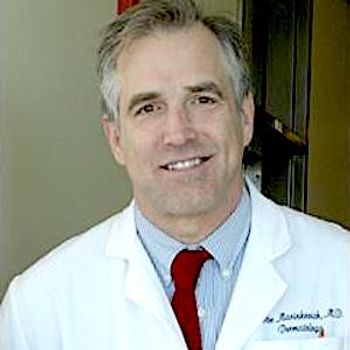
Peter Marinkovich, MD, reflects on the significant growth in advanced therapy development, particularly in rare skin diseases.

The FDA approved the first 2 therapies to treat molluscum contagiosum in the last year. Silver explains how it's provided more than just treatment options.

On March 07, 2024, Boehringer Ingelheim announced it would be instituting a $35 per month out-of-pocket cost cap for its portfolio of inhaler products, with this cap going into effect on June 01, 2024.

Joyce Teng, MD, PhD, discusses how therapeutic advances in fields like epidermolysis bullosa should progress treatment discourse in other rare dermatoses.
Marinkovich discusses how the investigative cell-based graft therapy may serve a key role in the emerging DEB treatment paradigm.

Lio shares 3 aspects of pain management that dermatologists can consider to improve the experience of procedures for patients.
Joyce Teng, MD, PhD, reviews a pair of recently approved agents for DEB—as well as a cell therapy awaiting FDA decision this year.

These data suggest that, among children with atopic dermatitis and ADHD or other learning disabilities, an assessment for impairment of their cognitive abilities may need prioritization.

Gene and cell therapies are reaching patients with the severe forms of epidermolysis bullosa. An expert explains their differing benefits and strengths.
In our endocrinology month in review for February 2024, we are spotlighting trending studies and new data in endocrinology, the latest news surrounding tirzepatide, and a recap of the 4 episodes of our flagship endocrinology podcast launched during the last month.

A study suggests that opting for thyroid surgery or radioactive iodine therapy could be better for reducing long-term cardiovascular risk in hyperthyroidism patients compared to medication alone.

A study found a 1-percentage point increase in the population with medical debt was associated with 18.3 more physically unhealthy days and 17.9 more mentally unhealthy days per 1000 people for 30 days.
FDA issued a Complete Response Letter to Vanda Pharmaceuticals stating tasimelteon for treating insomnia cannot be approved in its current form due to identified deficiencies.

This analysis concluded that the carcinogen known as benzene can be broadly found in concerning levels within benzoyl peroxide (BPO) acne treatment products.

Although abstinence is the safest approach, patients with SLD at low risk for advanced fibrosis can safely consume < 7.4 g/day of alcohol, equivalent to half of a standard US drinking unit.

This analysis was conducted to address previous suspicions on the results of pulse oximetry among patients with skin of color.

This psychiatry month in review spotlights new research on detecting and treating major depressive disorder with AI, FDA’s Complete Response Letter for roluperidone, and more.

Seropositivity was associated with greater albuminuria but not peripheral artery disease in a cohort of patients ≥ 50 years of age with type 2 diabetes mellitus.