

HealthFLD, a fully automated AI software for liver attenuation analysis from CT scans, has received FDA 510(k) clearance for use in the general population.
HealthFLD, a fully automated AI software for liver attenuation analysis from CT scans, has received FDA 510(k) clearance for use in the general population.

Michelle Kittleson, MD, PhD, provides insight into the potential impact of a new risk score for heart transplant allocation as well as the need for more equitable cardiovascular care in the US.

A novel risk score developed by University of Chicago investigators outperformed conventional models in predicting death in heart transplant candidates, which could help bring the field closer to optimal and equitable allocation.

Sleep apnea prevalence in cardiology patients was similar to the rates in patients with heart failure., and sleep apnea prevalence in cardio-oncology patients was the same or greater than other traditional risk factors.

The findings in a recent phase 3 clinical study may allow Kalvista Pharma to seek FDA approval for this potential hereditary angioedema treatment option.
Marla Dubinsky, MD, discusses the use of segmental intestinal ultrasound to address screen failure associated with the SES-CD in clinical trials and for detecting transmural healing.

These data may allow for future research into the ways in which adolescent patients may better control their allergic condition.

Telehealth appointments, patients who prefer speaking non-English, older adults, and patients on Medicaid had lower odds of having a depression screening during the early COVID-19 pandemic.

The analysis of several oral antidiabetic drugs revealed patients taking SGLT2 inhibitors had more NAFLD regression and fewer adverse liver-related outcomes.

Clinical equivalence was demonstrated for the primary and key secondary endpoints between patients receiving MSB11456 and its reference drug, tocilizumab.

Non-breast milk-fed infants received more iron on average each day than breast-milk-fed infants, but experienced a higher rate of iron deficiency.
The prominent clinical investigator joins to discuss adjuvant and neoadjuvant care research, as well as the application of biomarkers in personalized care.

A new analysis cites relatively high hemoglobin levels as a protective factor for bone quality in patients with type 2 diabetes.

This review and meta-analysis yielded results which confirmed prior data on maternal asthma and neonatal outcomes, in addition to establishing several new findings.

In an interview with HCPLive, Leesha Ellis-Cox, MD, MPH, broke down factors contributing to the bipolar disorder diagnosis gap for African Americans.
The decision makes budesonide oral suspension (Eohilia) the first and only FDA-approved oral therapy for patients ≥ 11 years of age with eosinophilic esophagitis.

A trial comparing iron supplementation methods for postpartum maternal fatigue found similar fatigue reduction regardless of treatment type.

These findings on reasons for attendance and other trends highlight the importance of mental health care among alopecia patients.

After 18 months of informing clinicians about the harm of unnecessary screenings, PSA screening among men aged > 76 years fell from 32 per 100 people to 28.5, unspecified urine screening fell from 33.7 to 24.2, and diabetes overtreatment fell from 20.0 to 16.7.
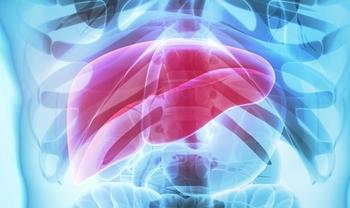
Findings suggest the risk of hepatocellular carcinoma may persist in patients with HCV, even after achieving SVR with direct-acting antiviral therapy.

Melanie Lewis, RN, writes about how listening to patients, conducting nerve conduction studies, and referring to specialists are key actions to provide effective care in patients dealing with chronic pain.

A distinctive gene expression profile was identified in patients with IgA nephropathy using NanoString mRNA technology, suggesting inflammatory and fibrotic targets in the disease.

A recent survey indicates many US adults are unaware of their vital health metrics, highlighting the need for increased education on heart disease prevention.

Test your knowledge of iron deficiency anemia in this clinician quiz, focused on gastrointestinal evaluation of IDA based on recommendations from the American Gastroenterological Association's 2020 guidelines.

Patients who switched from originator adalimumab to a biosimilar experienced more treatment-emergent adverse events compared to those who stuck with the biosimilar or the reference drug.

After a study assessed how sleep was hindered following incidences where the police killed unarmed Black individuals, Black respondents had shorter sleep durations and more very short sleep (< 6 hours) than White participants.

HCV seroprevalence and antigen positivity were both low, suggesting universal birth cohort screening may not be necessary or cost-effective.

In a new episode of New Insight with Veeral Sheth, MD, a trio of retina specialists host a well-rounded conversation on recent conference news, the anniversary of a landmark agent, and what’s to come in 2024 for the specialty.

Anticoagulation and antiplatelet therapy show no significant difference in recurrent stroke risk among patients with cryptogenic stroke and evidence of atrial cardiopathy.

These data were found to be consistent with the findings in the main study, the contents of which suggested the treatments’ interchangeability.