

Findings suggest serum C3 may be a viable biomarker for the occurrence and prognosis of IgAN, highlighting the role of the complement system in the disease’s pathogenesis.
Findings suggest serum C3 may be a viable biomarker for the occurrence and prognosis of IgAN, highlighting the role of the complement system in the disease’s pathogenesis.

During this segment of his interview, Eingun James Song, MD, spoke about upcoming treatments for psoriasis and personalizing care for patients.

Patients ≥ 65 years of age experienced similar rates of remission and adverse events compared to their younger counterparts, with no significant difference in change in renal function observed between the 2 groups.

Prescribing phosphodiesterase type 5 inhibitors and nitrates together may increase the risk of morbidity and mortality for patients over time.

Autonomous AI increases diabetic eye exam completion rates in a diverse population of youth with diabetes.

These data, presented at the Winter Clinical conference, showed that roflumilast cream 0.15% led to positive results for patients with eczema.

Results of the PRECISION trial suggest use of iron-whey-protein microspheres could aid in improving adherence to oral iron therapy as well as staving off adverse GI events.

Data from a new study suggests the Montreal Cognitive Assessment cut points should be lowered for both English and Spanish screenings for more accurate cognitive impairment screenings.

Results of the retrospective study suggested blood pressure, serum IgA, potassium, and segmental glomerulosclerosis may be predictive of the rapid progression of renal endpoints in patients with concurrent IgAN and membranous nephropathy.

In this subgroup analysis data shown at Winter Clinical, findings indicated IGA success with topical roflumilast foam among seborrheic dermatitis patients.

Screening for liver fibrosis was associated with sustained improvements in alcohol consumption, diet, weight, and exercise in individuals at risk of ALD and MASLD.
In this discussion with E. James Song, MD, several unique clinical pearls for those in dermatology were described and had been drawn from Song’s Winter Clinical presentation.
A local corticosteroid burst followed by 0.18 mg FAi may be a useful adjuvant for the treatment of noninfectious uveitis, but not sufficient as solo therapy.

Results confirmed the long-term efficacy of ustekinumab maintenance in patients with ulcerative colitis, demonstrating consistent rates of symptomatic remission and endoscopic improvement with no new safety signals.

Moderate-to-severe anemia decreased the likelihood of a favorable outcome after mechanical thrombectomy compared with no anemia.

During a 10-year period, estimated access to drugs increased among Polish patients with rheumatic and musculoskeletal diseases.
The novel topical dry eye disease candidate achieved a statistically significant ≥10-mm increase in unanesthetized Schirmer’s score at Day 14.

The factors highlighted in this analysis may help dermatologists to better understand the concerns, misconceptions, and perceived risks reported by patients with HS.

A survey of more than 3000 US physicians is shedding light on the impact of taking vacation time and avoiding physician-related work on vacation can have on burnout and achieving professional fulfillment.
Results suggested bottled alkaline water had no added benefit over tap water for providing alkali content and alkalinizing urine pH.
These data, given sustainability targets in healthcare, may be considered by clinicians and by patients discussing DPIs.

A new study found the risk of Long COVID for short sleepers with pre-existing medical conditions was 3-fold higher than average-length sleepers without pre-existing conditions.

Liver transplantation after prolonged preservation with dual hypothermic oxygenated machine perfusion yielded similar outcomes to standard perfusion, showing no compromised donor liver quality and equal safety for recipients.

Two-year XTEND trial data shows proactive aflibercept led to meaningful functional and anatomic improvements that were maintained across the study period.
The first Lungcast of 2024 touches on one of the most pressing issues in medicine: burnout, with an organizational expert.
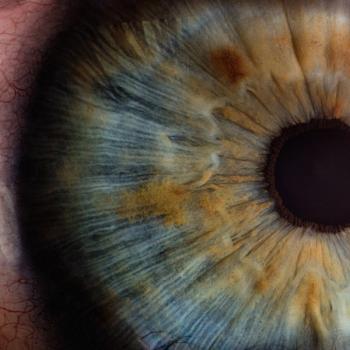
Patients with lung cancer treated with EGFR inhibitors may experience a greater risk for keratitis, particularly with afatinib treatment.

The THESEUS study was conducted to look at current HS management and the influences on treatment decisions, with the goal of informing future randomized controlled trials.
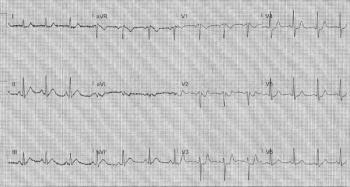
This cardiology case report from Brady Pregerson, MD, features a man in his early 60s with no known medical history presenting with chest pain radiating to both armpits and anterior neck, but not to the back. How would you react?

A new study found if older adults had ≥ 1 fall, it was significantly associated with a 42% higher risk of post-fall impairment in activities of daily living.
Although the overall response rate among the cohort was 96.4%, this figure dropped as low as 66.7% when accounting for male gender, GT3 infection, cirrhosis, obesity, and non-response to previous therapy.