

For only reward learning, anhedonia was associated with model-derived learning parameters and neural learning signals.
For only reward learning, anhedonia was associated with model-derived learning parameters and neural learning signals.

In this series of HCPLive® State of the Science, 4 experts discuss knowledge and treatment in the cardiovascular risk management space.

Dr. Mazzocchi talks of the promising new cancer care therapies and how to properly inform and care for patients with cancer who may be overwhelmed.
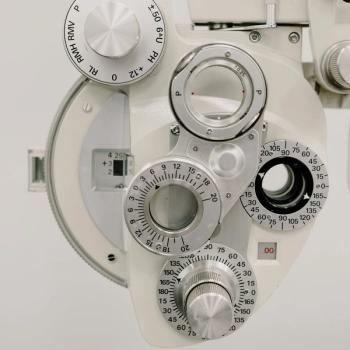
OCTA can be used as a support technique to improve patient flow and reduce number of fluorescein angiography.

Data show dapagliflozin was projected to add 0.63 quality-adjusted life-years at an incremental lifetime cost of $42, 800.

Researchers in North Carolina recorded improvements in pediatric healthcare utilization partly attributed to a lack of exposure to allergens and other exacerbations.

A new study finds a 2-step chronic pain screening process helped identify patients in primary care with previously undocumented chronic pain.

Data show no significant difference in time to first heart failure rehospitalization or death compared to usual care in patients with HFrEF.

Treatment was associated with reductions in IGA scores as well as inflammatory and non-inflammatory lesion counts.

The priorities established by a panel of experts are designed to improve efficacy and equity in kidney research and care.

There was no association found between migraines and Crohn’s disease or ulcerative colitis.

A co-located model of care may be highly beneficial in easing the transition from pediatric to adult care.

The company expects to continue to study the potential inflammatory bowel disease treatment.
Genotype F was the common genotype found at 5.73 per 1000 person-years of follow-up.

The selective topical PDE4 inhibitor demonstrated rapid improvements in IGA and EASI scores and high tolerability in pediatric populations.

Patients with IBD, rheumatoid arthritis, and psoriasis are commonly treated using biologic agents such as infliximab, tofacitinib, and ustekinumab.

On the latest Derm Discussions, Brett King, MD, PhD, joins Brad Glick, DO, to discuss the potential of the JAK inhibitor class for dermatology.

Dr. Martin explains the connection between inclusive cardiology technology and patient care and confidence.

In part 2 of an interview with HCPLive, Ty Gluckman, MD discusses both the advantages and disadvantages of technology replacing traditional care.

Marc Bonaca, MD discusses the personalization of treatment in PAD patients, lack of proper research into the condition, and optimizing delivery of care.
Ty Gluckman, MD speaks on the use of medical technology, including wearables and and telemedicine, and the growing importance of mobile health.

Harold Bays, MD discussed the effectiveness of GLP-1 RA in treatment, as well as the development of oral semaglutide.

Dr. Taub speaks on the technology-based advancements in cardiovascular care and socioeconomic status can affect a patient’s diet and access to care.

Peter Toth, MD discusses the combination treatment aspects of lipid management agents, as well as the effect of the COVID-19 pandemic on cardiovascular care.

Dr. Pam Taub speaks on the misconceptions of cardiac rehabilitation and other lifestyle approaches recommended for patients with cardiovascular diseases.
Peter Toth, MD, discusses the movement towards new agents in treatment of lipid management.

Dr. Mazzocchi discusses the limits and benefits of immunotherapies, as well as the importance of genetic testing in determining cancer diagnosis and treatment in patients.
Exenatide extended-release represents the first regulatory approval for a once-weekly glucagon-like peptide-1 receptor agonist (GLP-1 RA) for pediatric patients with type 2 diabetes.

Males and patients with higher disease severity were more likely to attend program sessions.

New guidelines on aortic valve implantation in risk groups with aortic stenosis shifted from risk strata to a focus on patient age and life expectancy.