
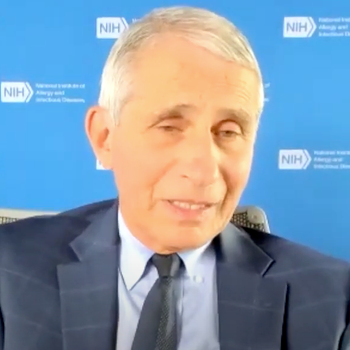
Dr. Fauci gives perspective on the future presence of the virus, improving US pandemic preparedness, and the theological divisions which have plagued national response.
Dr. Fauci gives perspective on the future presence of the virus, improving US pandemic preparedness, and the theological divisions which have plagued national response.

Researchers suggest avoiding cow’s milk formula for newborns in the first 3 days of life.

Nephrologists have used telemedicine tools to help treat patients during the pandemic.

An expert discusses steps the FDA can take to strengthen and make more airtight their process for approving new opioids.

Pupillary light reflex metrics could provide an objective biomarker to determine whether an adolescent athlete has suffered a concussion.


History of syncope was present in 17% of the Parkinson group who had an altered blood pressure regulation upon standing and in 10% of those without.

Patients who received the combination of nivolumab and ipilimumab survived a median of 18.1 months, while patients who underwent chemotherapy survived a median of 14.1 months.
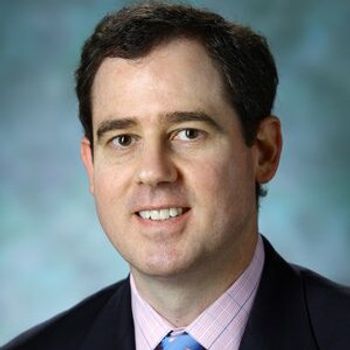
An expert discusses the effect the pandemic has had on opioid use and related deaths.

Dr. Moon says new strategies must be implemented to help NAFLD patients deal with pain.

Higher levels of acetaminophen detected in meconium was linked to increased odds of developing ADHD by 6-7 years old.

The risk of VTE is increased in both hospitalized and non-hospitalized COVID-19 patients.
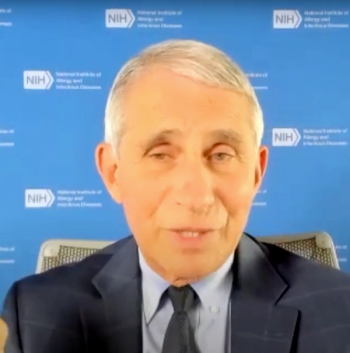
What the potential of monoclonal antibodies may be, and what's currently understood about serologic antibodies.

This edition from the 10 Year Plan features perspective from leadership at WGO and Crohn's & Colitis Foundation, as well as survey results from gastroenterologists.

There could be a lasting impact caused by some of the changes due to the pandemic.

This edition from the 10 Year Plan features perspective from leadership at AAAAI and ACAAI, as well as survey results from allergists and pulmonologists.

This edition from the 10 Year Plan features perspective from leadership at APA and AADPRT, as well as survey results from psychiatrists.
A pharmacoepidemiologist offers his comments on the ongoing opioid epidemic.

These disparities were noted between age groups, sex, race/ethnicity, and urbanization level of residence.

SFChT in treatment-naïve eyes was positively associated with eGFR and diabetic retinopathy grade.

This edition from the 10 Year Plan features perspective from leadership at ACC and ESC, as well as survey results from cardiologists.
A high proportion of end-stage kidney disease patients have suffered severe COVID-19 outcomes.
The orphan drug will be the first ever FDA-approved granular hydrocortisone formulation specifically developed for pediatric patients.

An expert discusses how allergies can make it easier for viruses to enter the body as well as the association between asthma and COVID-19 severity.

The complexities associated with the disease and lack of validated risk predictors makes such a model challenging to implement.

Ongoing trials are essential to confirming semalutide’s role in decreasing risk of chronic kidney disease in patients with type 2 diabetes

A new cross-sectional study uncovers shortcomings in pivotal trials supporting new drug applications for opioid analgesics, which range from study design to duration.
As part of the TARGET-NASH study, researchers find 18% of NAFLD patients are prescribed opioids because of pain.

These recommendations were developed with the primary goal of improving outcomes in cardiovascular mortality.
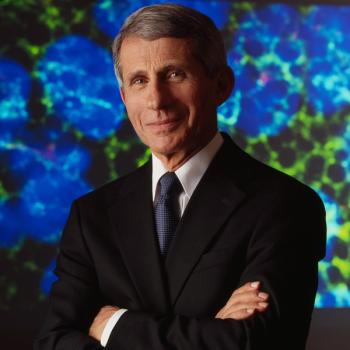
Fauci shares his thoughts on leading COVID-19 vaccines, SARS-CoV-2 transmission, antibody research, and where the US went wrong in pandemic response.