

Azacytidine 300 mg tablets, CC-486 is earmarked for AML patients who achieved their first complete remission following intensive induction chemotherapy.
Azacytidine 300 mg tablets, CC-486 is earmarked for AML patients who achieved their first complete remission following intensive induction chemotherapy.

Investigators report on a post-hoc analysis of the EMPA-REG OUTCOME trial that assesses the efficacy of the SGLT-2 inhibitor in patients with obstructive sleep apnea.

These guidelines set by ESC and EAS 2019 established treatment goals for LDL-C, non-HDL-C, and Apo-B in patients at high risk for cardiovascular disease.

The new equation model has shown to be more accurate than the Framingham Lifetime Risk equation and Pooled Cohort Equation.

Post hoc analysis of REAL-CAD shows the cholesterol metric does not serve to inform statin treatment control of coronary artery disease.

The congress president shares her favorite sessions, and ideas to integrate virtual setting successes into next year's meeting.
New data shows that high BMI individuals who were in the lowest polygenic score quintile had a 5-fold greater risk of diabetes than those with low BMI and a high polygenic score.

According to late breaking data, younger women exhibit a decreased risk for heart attack mortality due to estrogen’s protective effect

What ESC has learned about the benefits and difficulties of online-only forums.

Evolocumab and alirocumab produced LDL-C reduction in patients regardless of underlying mutations, investigators reported.

This underscores a need to reinvent cities and address environmental risk factors that are associated with increased risk for cardiovascular diseases.

Myocardial infarction patients were provided ECG readings as reliable as those provided by standard devices.

Studies have shown that heat-related cardiovascular events have increased over recent years.

New cohort data shows that at least 40% of COVID-19 positive patients had CV risk factors, such as diabetes and hypertension.

Dapagliflozin and empagliflozin are shown to minimize CV events in patients with heart failure and a reduced ejection fraction.

A look at how a major international cardiovascular meeting changed its structure in 4 months.

A look at how different organisms are influenced differently by harmful foods or common therapies linked to cardiovascular risks.

Investigators did note that belief in statin use was weaker in patients with confirmed statin associated muscle symptoms when compared with non-SAMS patients.

New findings suggest the "obesity paradox" may be explained by rates of exercise among women.
Accurately assessing lifetime risk in patients with developing atherosclerosis may help reduce CV disease risk earlier in life.

The CLEAR Harmony open-label extension study reports on the long-term effects of BA treatment for hypercholesterolemia.

The new findings break ground on placebo-controlled assessment of the PCSK9 inhibitor for the pediatric population.

Up to 91% patients who received maximum dosage of the drug achieved a triglyceride level of <150 mg/dL, according to new data presented at ESC 2020.

A look at how asymptomatic AFib is being combatted by consumer devices and embraced, large-scale population research.

New cohort analyses show very few patients with atrial fibrillation exercise regularly or rigorously—which could be a detriment to their mortality risk.

Daniel Gaudet, MD, PhD, discusses what's next in clinical pursuits of the greatly underdiagnosed hereditary cardiovascular disease.

Investigators simulated baseline CV risk and predicted potential risk reduction among a cohort of evolocumab users across Europe.

A new model using proteomic data from individuals at age 12 could help predict psychotic experiences at age 18.

Racial and ethnic disparities did not substantially improve between 2005-2015 for patients with end-stage kidney disease.
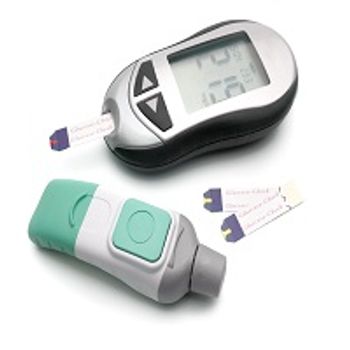
The system maintains tight glucose control and reduces the risk of hypoglycemia.