
A podcast interview with the president of American Society of Preventive Cardiology, on the eve of the ESC 2020 Congress.
A podcast interview with the president of American Society of Preventive Cardiology, on the eve of the ESC 2020 Congress.

PCSK9 inhibitor therapy within 24 hours after PCI was shown to bring LDL-C levels down closer to guideline-recommended goals.

COVID-19 positive patients with COPD demonstrated a greater risk for hospitalization, ICU admission, and need for invasive mechanical ventilation compared with non-COPD patients.
The role of telehealth and teleophthalmology can continue to expand even after COVID-19.

More than 20% of children examined in Wuhan showed various ocular manifestations.

Youth with repeat concussion have worse outcomes and more delays returning to normal life.

Antithrombotic agents caused 34% of serious adverse drug reactions identified in the study.
Future studies are needed to develop and validate better risk assessment tools.

Tardive dyskinesia at treatment onset was the strongest predictor of schizophrenia relapse.

A phase 2 trial will begin to evaluate the safety and efficacy of RGX-314.
Telemedicine could be something that is still used, even after the COVID-19 pandemic is over.

Approximately 11.7% of nearly 90,000 hospitalized patients with confirmed influenza suffered from an acute cardiovascular event.

Higher prepregnancy BMI results in higher rates of infant mortality.
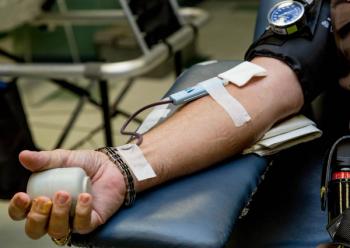
Blood supply shortages have underscored a need to develop new strategies which limit transfusions and triage blood products.
This is the first and only FDA-approved cysteamine eye drop formulation, which is self-applied 4 times daily during waking hours.
Residential addiction treatment programs may not offer the best quality of care.
In the placebo-controlled study, both treatment groups experienced similar rates of severe asthma worsening and mean time to exacerbation.

Approximately 50% of patients with a mTBI who experience fatigue or sleep-wake disturbances 2 weeks following the injury continue to have problems at the 3 month mark.
Investigators identify 7 themes and interventions from an analysis of studies relating to mental health and COVID-19.
An expert discusses ALKS 3831, a potential new treatment that demonstrated reduced weight gain in patients with schizophrenia compared to olanzapine.
At least 2 hours of follow-up with a healthcare provider is effective at reducing healthcare use and improving the quality of life in patients with asthma.
Tricida will meet with the FDA in an attempt to provide more data for the treatment of patients with chronic kidney disease.

Patients impacted by pruritus were more depressed and anxious than a comparison control group.

A new survey assessed patients’ confidence in their disease management during the pandemic, specific disease management concerns, and experiences with telemedicine.

Swiss researchers propose a new method to assess COVID-19 mortality.
The potential new treatment has demonstrated reduced weight gain in patients with schizophrenia compared to olanzapine.

Considerable discrepancy found between overt clinical symptoms of laryngeal pathology and abnormalities observed during a task protocol.

No life-threatening adverse events occurred in the 150 patient trial to treat non-alcoholic fatty liver disease.
The risk of developing fibrosis and macular atrophy increased based on which quartile of foveal center point thickness standard deviation an individual falls in.

Results of the study suggest that patients with premature and extremely premature ASCVD are at risk for a higher accrued lifetime morbidity.