
HLA-A*32:01 carrier screening may identify patients at elevated risk for lamotrigine-induced eosinophilia and systemic symptoms, Krantz says at AAAAI 2026.
HLA-A*32:01 carrier screening may identify patients at elevated risk for lamotrigine-induced eosinophilia and systemic symptoms, Krantz says at AAAAI 2026.

A new study stratified patients by longitudinal BEC patterns to assess whether variability in eosinophil levels influences response.
Prospective case-control data presented at AAAI 2026 demonstrate a 12-fold increased odds of DRESS among lamotrigine-treated HLA-A*32:01 carriers.

On Rare Disease Day 2026, clinicians share their perspective on the evolving landscape for IgAN and C3G.

Families and clinicians highlight the race against time in biliary atresia, where early recognition can change the course of a child’s life.
Retrospective analysis presented at AAAAI 2026 found 12%–15% risk reductions in asthma exacerbations over 3 years among patients without diabetes with overweight and obesity.

Sicherer discussed how the study might shift clinical thinking in pediatric food allergy.

Navepegritide, to be marketed as YUVIWEL, is the only FDA-approved treatment providing continuous CNP exposure over its weekly dosing interval.

Once-daily VTAMZA delivers week-one sleep gains and lasting itch control in atopic dermatitis, with safety consistent across studies.

The long-acting growth hormone is now indicated for children aged 2.5 years and older with Idiopathic Short Stature, born Small for Gestational Age, or Noonan Syndrome.
Post hoc pooled data from ADORING 1 and 2 demonstrate statistically significant improvements in patient and family sleep scores in children aged 2–17 years
Sicherer discussed how findings from CAFETERIA may inform treatment decisions for children with high-threshold allergy.

These new data from the OLYMPIA open-label extension study highlight long-term safety and efficacy findings on nemolizumab (Nemluvio).

Anadani discusses a recent study highlighting the myriad contributing factors in the steadily increasing risk of maternal stroke across the country.
Brown discusses a destigmatised future of obesity management in patients with kidney failure.

Bhatt discusses a recent study from GSK highlighting AREXVY’s efficacy in lowering major adverse cardiovascular events.

Ross Milner, MD, discusses rising vascular complexity, advanced imaging and AI, and the team-based strategies driving durable aortic and limb salvage outcomes.
Panelist member explains new ASH guidelines aim to improve early diagnosis of AL amyloidosis with blood, urine, and biopsy testing.

Manreet Kanwar, MD, outlines advances in heart failure care, rising medication complexity, and the need for integrated, patient-centered systems.

AAAAI 2026 showcases high-impact clinical trials and innovative sessions, 5 of which are highlighted below.

David Rubin, MD, discusses rapid advances in IBD care, new therapies, multidisciplinary models, and the push toward precision GI medicine.

Pressman discusses his recent study highlighting the interplay between right ventricular end-diastolic volume and ejection fraction and the left ventricle’s health.

4-year LUCENT data show mirikizumab reduces UC-related hospitalizations and surgeries, supporting durable remission and potential disease modification.
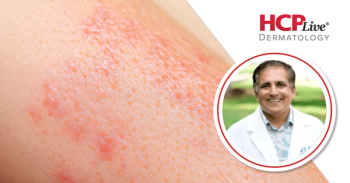
In this interview, Neal Bhatia, MD, highlights several key points about treating psoriasis and obesity via ixekizumab and tirzepatide.

Parent company Eli Lilly has released full data from ACHIEVE-3, indicating superior weight loss and A1C reductions with orforglipron 12 mg and 36 mg.

The supplemental New Drug Application submission comes as a result of positive phase 3 data from the CORE and CORE2 trials or olezarsen in 2025.

Expert panel identifies high agreement for multi-organ involvement, but uncertainty remains in moderate isolated skin or mucosal symptoms.

Claims study suggests dry powder and soft mist COPD inhalers cut exacerbations versus MDIs, offering greener care without added safety risks.
New data show a >10% drop in newborn hepatitis B vaccination, raising concern for rising chronic infection and future liver cancer risk.
This February episode of The Medical Sisterhood highlights key points on juggling work as a clinician and work as a mother.