

This October 16 Skin of Color Savvy highlights the often overlooked topic of curly hair in dermatology.
This October 16 Skin of Color Savvy highlights the often overlooked topic of curly hair in dermatology.

A study found magnetic seizure therapy matched ECT’s antidepressant efficacy while offering better cognitive preservation and fewer adverse events.

Santreva-ATK, the first wire-free endovascular revascularization catheter for crossing chronic total occlusions, is expected to begin sale in October 2025.

Final results from APPLAUSE-IgAN demonstrate iptacopan’s superiority versus placebo for slowing IgAN progression and will be used to support its full approval.

These post hoc findings suggest psychosocial burden may improve following hair regrowth with ritlecitinib.

A 5-year follow-up showed 76% of delabeled children reused the previously avoided antibiotic without significant adverse reactions.
Experts explore the evolution of asthma and COPD treatments with targeted biologic therapies.

In this episode, sisters and dermatologists Mona and Neda Shahriari discuss mentorship, motherhood, and the meaning of sisterhood in medicine.

An exploratory analysis of the ATTRibute-CM trial spotlighted acoramidis’s superior efficacy in lowering CVD-related risks versus placebo.

The phase 3 data reinforce iptacopan’s safety and efficacy in C3G and support its recent US Food and Drug Administration approval for this indication.

A phase 1b/2a study showed CM326 significantly improved nasal polyp scores; baseline plasma TSLP levels ≥ 330 fg/mL may predict treatment response.

Little discusses 2 recently emerged therapies for TR, spotlighting the benefits and limitations associated with each procedure.

New research links soft drink consumption to depression, revealing gut microbiota changes as a potential mediator, particularly in women.
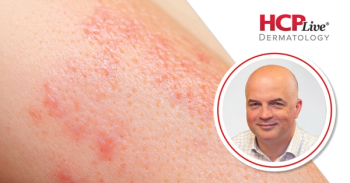
This interview segment with Irvine highlighted his team’s data presented at EADV regarding children 6-11 years with atopic dermatitis on dupilumab.
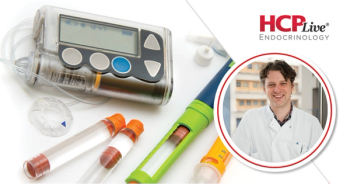
Nijhoff discusses the positive results of the first portion of the phase 1/2/3 trial and its implications for the underserved T1D patient population.

A recent study reveals that hypertonic saline and carbocisteine do not effectively reduce pulmonary exacerbations.
In this interview, improvements observed in children 6-11 years with severe atopic dermatitis following dupilumab use were spotlighted.

Mellinger joins Liver Lineup to discuss current shortcomings in ALD diagnosis and care, the importance of addressing underlying alcohol use disorder, and more.


Study finds heart rate deceleration within 45 seconds of iTBS may serve as a biomarker for improved depression outcomes, regardless of stimulation site.

New research links sleep-related leg movements to a higher risk of diabetes.
This episode covers the upcoming glucose monitor Biolinq Shine, the Insulin Icodec FDA resubmission, and the end of Eli Lilly's work in T2D.

A new digital therapeutic, CT-155, shows promise in reducing negative symptoms of schizophrenia.

In this analysis, investigators validated the Automatic Psoriasis Area and Severity Index (APASI), an AI-driven system for psoriasis severity assessment.
Maher discussed the new FDA approved drug, marketed as Jascayd, and its impact for idiopathic pulmonary fibrosis.

New long-term data reveals that Papzimeos offers sustained relief for adults with recurrent respiratory papillomatosis, reducing the need for surgeries.

Roche’s Elecsys pTau181 blood test helps primary care clinicians rule out Alzheimer’s amyloid pathology in patients with cognitive symptoms.

Oticara’s intranasal steroid cream meets primary endpoints in phase 2 trial, providing rapid, durable symptom relief for post-surgical chronic rhinosinusitis.
Celebrate 150 episodes of Diabetes Dialogue as hosts reflect on advancements in diabetes technology and impactful discussions in patient care.

This analysis highlights patients with alopecia areata who did not respond to 1 or more JAK inhibitors but saw regrowth after switching to a different JAKi.