

Researchers unveil Bobcat339, a targeted molecule that selectively eliminates pathogenic macrophages.
Researchers unveil Bobcat339, a targeted molecule that selectively eliminates pathogenic macrophages.

A study reveals that APOE e4 carriers with atrial fibrillation on Eliquis face increased intracranial hemorrhage risk, highlighting critical genetic implications.

Yale researchers demonstrate that hands-on culinary medicine training significantly boosts nutrition knowledge and confidence among medical residents, enhancing patient care.

Yale researchers reveal that 17 million U.S. adolescents and young adults qualify for GLP-1RA therapy, highlighting barriers to access and insurance coverage.
Emerging research highlights the critical link between sleep quality and cardiovascular health.
The Q3 recap for nephrology spotlights key FDA decisions, new KDIGO IgA nephropathy guidelines, and other top renal news and research.
This set of interviews collects perspectives from 11 leading clinicians in the heart failure field, cataloguing the biggest news from 2025.
Read about new AGA gastroparesis guidelines, GI FDA news, and more.
Counting down the most impactful news at major medical meetings, it’s the HCPLive Five! This episode focuses on 5 key dermatology updates from EADV.
Explore the latest advancements in psychiatry, including FDA updates, emerging therapies, and promising clinical trial results for mental health treatments.
In this episode, Dominic Sisti and Steve Levine discuss dilemmas surrounding donor transplants, brain death, and cardiac death in organ donations.
This episode highlights the recent technological advancements made by Medtronic Diabetes in treating type 1 and 2 diabetes.
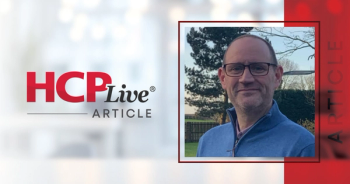
Barratt describes the evolving diagnostic and therapeutic landscape of IgAN and breaks down key recommendations from the new KDIGO guidelines.
This review of the month of September highlights some of the most significant dermatology headlines.
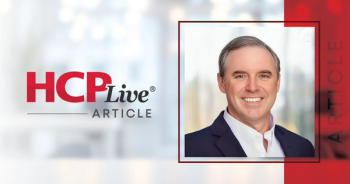
Amgen announced that evolocumab reduced the risk of MACEs such as heart attack and stroke in patients without any prior history of these events.
This review of Q3 developments in the dermatology space highlight a number of significant news stories from 2025.
Explore the latest advancements in allergy and immunology, including new therapies, FDA approvals, and innovative clinical strategies for improved patient care from Q3.
Read about hepatic FDA news, the voluntary withdrawal of obeticholic acid for PBC, new trial data for a potential AATD drug, and more.
September 2025 saw 1 new approval, new long term data on smoking and emphysema, and more.
Explore key FDA decisions in Q4 2025, impacting treatments for atopic dermatitis, chronic rhinosinusitis, and rare diseases.
This month in review focuses on innovative therapies in psychiatry, including MM120 for anxiety and ammoxetine for depression, as well as providing safety insights.
Staller describes key takeaways from the 12 conditional recommendations made in the American Gastroenterological Association’s new gastroparesis guideline.
During this EADV interview, Lebwohl speaks to some of the most recent developments in the psoriasis research space.
This month in review features the latest breakthroughs in allergy treatments, including innovative therapies for cat and peanut allergies.
Check out renal FDA news, new KDIGO guidelines on IgAN and IgAV management, research about hypertensive kidney disease, and more.
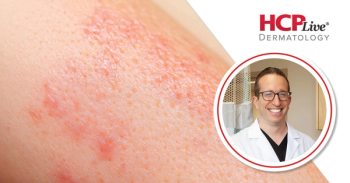
This interview highlights the significance of remibrutinib's recent FDA approval for clinicians treating chronic spontaneous urticaria.
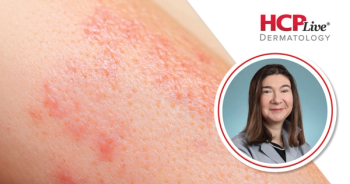
The first oral BTK inhibitor for CSU offers fast relief for patients uncontrolled on antihistamines and an alternative to injectable biologics.
The FDA has approved remibrutinib, a new oral treatment for chronic spontaneous urticaria, offering hope for patients unresponsive to antihistamines.

A study found 3% hypertonic saline nasal irrigation reduced symptoms in allergic rhinitis but offered no significant advantage over isotonic saline.