
In this segment of his Fall Clinical interview, Nestor discussed actinic keratosis and shifts in the rates of skin cancer.
In this segment of his Fall Clinical interview, Nestor discussed actinic keratosis and shifts in the rates of skin cancer.

This conference preview with Viet Le, DMSc, PA-C, for the 2025 AHA Scientific Sessions highlights the top 5 trials to watch.
Mayo explains findings from a pooled analysis of pruritus data from RESPONSE and ENHANCE highlighting seladelpar’s impact on itch in PBC.
Nestor spoke in this interview about avoiding cosmetic complications and educating patients on available treatments like toxins and fillers.

New data show peanut allergy rates have dropped sharply since early introduction guidelines, reducing 27% and 43% after the 2015 and 2017 guidelines, respectively.

A secondary analysis of the J-DOIT3 study highlights previously undertreated factors in the progression of diabetic retinopathy in patients with type 2 diabetes.
In this interview, Swanson highlights the topics covered in her session on oral and injectable medications, and specifically icotrokinra, in the psoriasis pipeline.

Markov model findings showed elafibranor provided greater health benefit at a lower cost than seladelpar in ursodeoxycholic acid incomplete responders.

Addiction treatment evolves by integrating biological health with psychological care, emphasizing a holistic approach for lasting recovery.

Preeclampsia, gestational diabetes, preterm delivery, large for gestational age, and other hypertensive disorders of pregnancy are now risk factors.
Keefer emphasizes the importance of treatment satisfaction and health-related quality of life in IBD and reviews findings from ASPIRE-CD.
Study finds non-celiac gluten or wheat sensitivity is more common in women and linked to IBS, anxiety, and depression.

Immediate iFR-guided PCI and deferred cardiac stress MRI-guided PCI showed no significant difference, allowing patients to complete treatment in 1 session.

Post-transplant survival prediction algorithms can lower rates of donor discards.

In the CHECK study, a cross-sectional survey of over 10,000 participants, the prevalence of chronic hand eczema (CHE) in the US was highlighted.

This episode covers the recent approval of oral semaglutide for T2D and a pre-specified subanalysis of the SELECT trial.
Redd reviews real-world data highlighting low rates of biopsies performed among patients with esophageal food impaction-related emergency department visits.
GLP-1 RA use was linked to a significant survival benefit and reduced risk of iron deficiency anemia in patients with celiac disease.

Artificial Intelligence-Assisted Model Can Automate Diagnosis of Glomerular Nephritis.
Dellon reviews data from a post-hoc analysis of dysphagia and odynophagia in LIBERTY EoE TREET and a pooled analysis of endoscopic improvement in 2 trials.

Lee Schwamm, MD, discusses how AI-powered documentation tools are reshaping notetaking, patient engagement, and medical training.

Njei explains the utility of Fibro-GPT for detecting advanced fibrosis and predicting hepatic decompensation in MASLD.
In a post-hoc analysis of the KINGFISHER trial, brolucizumab resulted in improved BCVA and anatomical outcomes regardless of prior anti-VEGF treatment.

The investigative GLP-1/GCG dual receptor agonist led to a higher proportion of participants achieving HbA1c and body weight improvements from baseline.
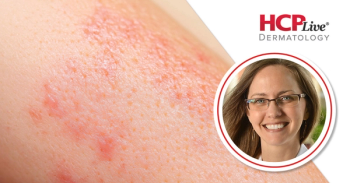
This Fall Clinical interview features a series of highlights from Culton’s portion of the session ‘Bullous Pemphigoid: The Time to Treat is Now.’

In this episode, Michelle Rodrigues, MBBS, joins Skin of Color Savvy from EADV 2025 to discuss facial hyperpigmentation in richly pigmented skin.

A study found that combining the eosinophil-to-lymphocyte ratio with CT-based sinus scores predicts smell recovery after CRSwNP surgery.
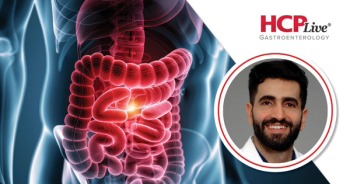
Ahmad reviews findings from the OCULUS trial highlighting the benefits of holding a single dose of GLP-1 and GIP-1 agonists prior to upper endoscopy.

A post hoc analysis of the PLIS study has highlighted the comparative effectiveness of glucose levels in achieving prediabetes remission.

Real-world data suggest adding fibrates to first-line UDCA incurs several clinical benefits, including reductions in spontaneous bacterial peritonitis and hospitalizations.