
Findings support a sex-specific approach to MetALD and ALD definitions and the need to incorporate binge drinking frequency into clinical risk stratification.
Findings support a sex-specific approach to MetALD and ALD definitions and the need to incorporate binge drinking frequency into clinical risk stratification.

Ahead of ACAAI 2025, HCPLive spoke with Chovatiya on challenges in translating these promising immunologic targets into real-world clinical practice.
At ACAAI 2025, HCPLive spoke with Chovatiya on the OX40/OX40L pathway and what makes it an attractive therapeutic target over other established pathways.

Khush discusses the promising results of the recent SHORE study, highlighting the new biomarker’s capacity for reducing surgical procedures.
Tegoprubart shows promise as a safer alternative to tacrolimus in kidney transplants, enhancing graft function with fewer side effects.

Julie Khlevner, MD, AGAF, highlights that FDA approval of linaclotide provides the first pharmacologic therapy for pediatric IBS-C.

This segment of Goff’s SDPA Fall 2025 interview features a discussion of dietary changes and sunscreen use as a means to improve skin health.
In this interview at SDPA Fall 2025, Goff highlights several takeaways from her session on lifestyle and diet choices among patients in the dermatology space.

Thomas Wallach, MD, discusses phase 3 safety data of tenapanor in pediatric patients with IBS-C, presented at the 2025 NASPGHAN Annual Meeting.

Jonathan Barratt, MBChB, PhD, discusses 36-week atacicept data from ASN Kidney Week 2025.
In a session presented at the 2025 SDPA Fall Conference, a review was given of common genetic syndromes with cutaneous manifestations.

New findings reveal sparsentan significantly reduces proteinuria in FSGS patients, offering hope for improved kidney health and lower failure risk.

Findings showed anxiety, depression, and sleep disorders were highly prevalent among ESRD patients undergoing maintenance hemodialysis
Finerenone significantly reduces UACR in type 1 diabetes patients with chronic kidney disease, offering new hope for treatment.
At NASPGHAN 2025, investigators presented 52-week safety data from an ongoing phase 3 trial of linaclotide, the first approved treatment for patients aged 7 and older with IBS-C.
Eli Lilly and Company’s investigative therapy provided effective and safe weight loss treatment with limited adverse events.

Discover groundbreaking insights from the ORIGIN 3 study on IgA nephropathy, showcasing promising results and future treatment possibilities.
Phase 3 trial results reveal atacicept significantly reduces proteinuria in IgA nephropathy, paving the way for potential FDA approval in 2026.

FDA-approved RBL shows 95% success and sustained microbiome restoration in recurrent C. difficile.

New 48-month results from the phase 3 extension also showed greater macula and retina preservation in patients treated earlier.
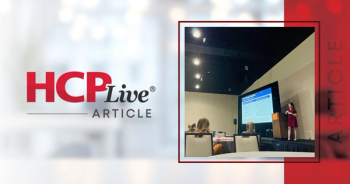
At the 2025 SDPA Fall Conference, Laura Bush, DMSc, PA-C, presented the next iteration of an IMID and Obesity bootcamp session.

This study demonstrates the impact of an elastic scattering spectroscopy (ESS) device, owned by DermaSensor, on melanoma assessment in primary care settings.
This month in review spotlights the top psychiatry news from October 2025, featuring FDA's approval of UZEDY for bipolar I disorder.
This preview of the 2025 NASPGHAN Annual Meeting highlights sessions and expert discussions on pediatric gastroenterology, hepatology, and nutrition covered by HCPLive.

Multicenter data presented by Silvana Bonilla, MD, at NASPGHAN 2025 highlight regional variation in pediatric H. pylori prevalence and support selective biopsy practices guided by clinical suspicion.

Yu describes factors delaying EoE diagnosis and breaks down ways to improve diagnosis and care based on findings from her quality improvement initiative.
The decision makes linaclotide (Linzess) capsules the first FDA-approved treatment for pediatric patients 7 years and older with irritable bowel syndrome with constipation.
This preview of the 2025 SDPA Fall Dermatology Conference highlights different sessions and interviews covered by HCPLive.
A preview of 5 slated expert interviews and 5 late-breaking clinical trials to watch out for at ACAAI 2025.
Catch up on the groundbreaking FDA approvals, key trial updates, and more news from the last month.