

In part 4 of this 6-part HCPLive Special Report, experts discuss the recently released HFSA/AAHFN joint statement on tech integration in heart failure care.
In part 4 of this 6-part HCPLive Special Report, experts discuss the recently released HFSA/AAHFN joint statement on tech integration in heart failure care.
In part 3 of this 6-part HCPLive Special Report, experts discuss the recently released HFSA/AAHFN joint statement on tech integration in heart failure care.
In part 2 of this 6-part HCPLive Special Report, experts discuss the recently released HFSA/AAHFN joint statement on tech integration in heart failure care.
In part 1 of this 6-part HCPLive Special Report, experts discuss the recently released HFSA/AAHFN joint statement on tech integration in heart failure care.

COMBINE trial data show dupilumab added to omalizumab-assisted OIT improved desensitization and reduced GI symptoms, despite no sustained response benefit.

FDA-approved iptacopan and pegcetacoplan offer new complement-targeted therapies for C3 glomerulopathy.
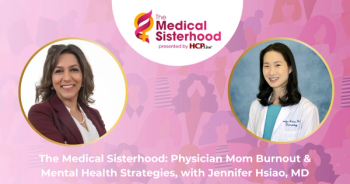
This segment of the latest episode of The Medical Sisterhood podcast highlights the value of a supportive partner among those who are physician parents.

Han discusses late-breaking phase 2 VIBRANT data at AAAAI 2026, which showed that quarterly TSLP receptor blockade reduced the need for CRSwNP by 76%.

This World Obesity Day, catch up on major paradigm shifts in the diagnosis, discussion, and treatment of obesity, one of the world’s most devastating chronic diseases.

Cogent Biosciences previously submitted an NDA for bezuclastinib at the end of 2025.

Nadkarni’s research suggests LLMs often pass along medical misinformation, underscoring the need for oversight, evaluation, and stronger AI guardrails.

In this segment of the recent Skin of Color Savvy podcast, the value of advocacy and meaningful change in skin health equity is highlighted.

Catch up with FDA decisions, key trial results, podcast updates, and more.
This segment of the February episode of The Medical Sisterhood podcast highlights burdens faced by those balancing motherhood with being a physician.
Akin discussed how avapritinib continues to demonstrate its benefit in indolent systematic mastocytosis.
At AAAAI 2026, Han reports pooled ANCHOR data showing depemokimab improved nasal symptoms, QoL, and cut rescue interventions.

Catch up on new trial readouts, trends in hepatitis B birth dose vaccination, updates in a rare hepatic disease in honor of Rare Disease Day, and more.
In this segment from the latest episode of the Skin of Color Savvy podcast, progress in skin health equity and advancements still needed in 2026 are highlighted.

Interim phase 3 APeX-P data presented at AAAAI 2026 show sustained 48-week reductions in moderate and severe HAE attacks with oral berotralstat in children aged 2–11 years.

Catch up with FDA decisions, key trial results, and more.

Neal Bhatia, MD, speaks on new data on ixekizumab and tirzepatide for weight loss and psoriasis, as well as the implications of these data regarding GLP-1 use.

Nguyen discussed how her study findings can help alleviate inhaled corticosteroid hesitancy for families.

Early gut microbiome changes in c-section infants linked to food sensitization at 12 months, highlighting a potential critical intervention window.
Trial data show early microbiome shifts after vaginal microbial transfer in cesarean-delivered infants, with differences in food sensitization at 12 months.
Nguyen emphasized the safety of inhaled corticosteroids vs SABA-only therapy in pediatric asthma.

HLA-A*32:01 carrier screening may identify patients at elevated risk for lamotrigine-induced eosinophilia and systemic symptoms, Krantz says at AAAAI 2026.
Prospective case-control data presented at AAAI 2026 demonstrate a 12-fold increased odds of DRESS among lamotrigine-treated HLA-A*32:01 carriers.

On Rare Disease Day 2026, clinicians share their perspective on the evolving landscape for IgAN and C3G.

Families and clinicians highlight the race against time in biliary atresia, where early recognition can change the course of a child’s life.
Retrospective analysis presented at AAAAI 2026 found 12%–15% risk reductions in asthma exacerbations over 3 years among patients without diabetes with overweight and obesity.