
Opinion|Videos|August 11, 2026
2025 KDIGO Updates in IgAN: Dual Pathways and New Targets
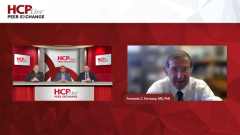
In "2025 KDIGO Updates in IgAN: Dual Pathways and New Targets," the panel examines the guideline changes reshaping practice.
Advertisement
Episodes in this series
In "2025 KDIGO Updates in IgAN: Dual Pathways and New Targets," the panel examines the guideline changes reshaping practice.
Dr. Mehdi identifies the most impactful shift in the 2025 KDIGO guidelines. He describes a philosophical change: clinicians must treat IgA nephropathy as an inflammatory disease. That means addressing the immune process and routine CKD nephron protection simultaneously. He acknowledges ongoing debate over whether every patient needs both approaches. Dr. Mehdi notes the biopsy threshold has dropped to 0.5 grams of proteinuria. He highlights the redefinition of treatment success as the biggest change. The question becomes what disease modification really means and how low proteinuria should go. He explains the field now aims below one gram, then below 0.3 grams. Ultimately, he says, the real goal is preserving kidney function, with an aspirational target of limiting GFR loss to one milliliter per year. Dr. Rovin and Dr. Parikh frame the change as moving from wait-and-watch toward targeting dual pathways. They stress that not every patient needs everything, and better data will clarify who needs the immune arm versus the kidney-protection arm. This, they say, circles back to the unmet need for biomarkers to sort patients. Dr. Parikh adds that observational studies show even lower proteinuria carries long-term risk over 15 to 20 years, especially in young patients. He asks whether a proteinuria threshold should trigger therapy escalation. Dr. Mehdi answers that the whole clinical picture matters, not a single number. He contrasts a patient with 0.7 to 0.8 grams of proteinuria, ongoing glomerular hematuria, and a concerning GFR slope. He would treat that patient very differently from someone with preserved GFR, uncontrolled hypertension, elevated weight, and high urine sodium driving hyperfiltration.
Our next episode, "Optimized Supportive Care in IgAN: Salt, Blood Pressure, and Proteinuria," features Dr. Fervenza challenging the field on what optimized supportive care really requires.
Advertisement
Related to this article
Approval is based on 36-week data from BRAVE-AA-PEDS, in which 42% of patients on the 4 mg dose achieved a SALT score of 20 or less, compared with 5% on placebo.
The FDA approved once-daily oral zilurgisertib for FOP in patients aged 12 years and older after the phase 2 PROGRESS trial showed reduced new heterotopic ossification vs placebo.
Approval covers patients aged ≥2 years with frequently relapsing or steroid dependent disease in complete remission.

As the FDA weighs its first psychedelic approval, Sarah Norman, MPP, says training, credentialing, and reimbursement are lagging while patients are already asking.
Pranav Garimella discusses what a potential USPSTF kidney screening recommendation could mean for high-risk adults and primary care.

Andrea Murina, MD, weighs whether she would recommend medicine to her own children amid AI, physician burnout, and evolving residency training standards.

Two monoclonal antibodies isolated from malaria-exposed donors blocked patient IgE from binding key alpha-gal allergens and suppressed basophil activation.

Manju Dawkins, MD, discusses Skin Angels, why clinicians belong in dermatology innovation, and her work to reduce injection pain and needle anxiety.
Advertisement
Advertisement
Trending on HCPLive
1
The Case for Routine Kidney Screening, With Pranav Garimella, MBBS, MPH
2
FDA Approves Obinutuzumab (Gazyva) for Idiopathic Nephrotic Syndrome
3
Anti-Alpha-Gal Antibodies Block IgE Binding in Alpha-Gal Syndrome
4
Zilurgisertib Receives FDA Approval for FOP in Patients 12 and Older
5