Now Playing
A field once taught that IgA nephropathy was benign now faces a wave of new therapies. The panel frames why this is a defining moment and where the real uncertainty lies.
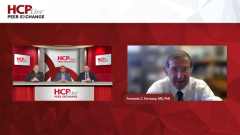
Welcome back to another HCPLive Peer Exchange series. In "IgAN Management: Why This Is a Pivotal Moment for the Field," moderator Samir Parikh, MD, FACS, FASCRS is joined by Brad Rovin, MD, FACP, FASN, Ali Mehdi, MD, MEd, and Fernando C. Fervenza, MD, PhD to open the series on IgA nephropathy.
Dr. Parikh introduces the panel and previews the arc of the program. He notes the discussion will span the 2025 KDIGO guidelines, optimized supportive care, and the data behind newly approved drug classes. Dr. Rovin opens the substance by describing a deluge of information over recent years. He explains that registry and cohort data overturned the old teaching that IgA nephropathy is a benign disease. That realization, he says, made it imperative to treat beyond renin-angiotensin system inhibition alone. The panel credits a public-private partnership between the Kidney Health Initiative, the American Society of Nephrology, and the FDA. They explain this partnership redefined how IgA nephropathy trials could be run so drugs could actually gain approval. Once that pathway existed, they note, pharmaceutical interest followed and the field exploded with new therapies. The panel then identifies the central gap that shapes the whole series. The field is now rich with therapies but lacks clarity on which patients should receive which drug. Dr. Parikh summarizes the shift he is hearing from the panel. He frames it as a move from nonspecific, broad therapies toward mechanism-based, targeted treatment. He also frames a larger ambition, moving from merely slowing the disease toward potentially halting it. Dr. Mehdi agrees emphatically that this is a pivotal moment for the specialty. He observes that the flurry of new information is helpful but also generates new questions. He suggests panels like this one can help address those open questions. The exchange establishes the tension that recurs throughout the program. Abundant new tools now demand better patient selection and sequencing rather than more drugs alone.
The next episode in this series, "Gaps in IgAN Care: Early Detection, Screening, and Referral," features Dr. Fervenza and the panel examining why IgA nephropathy is recognized late and where the biggest gaps in care remain.