
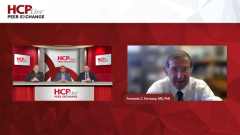
Opinion|Videos|August 25, 2026
IgAN Pathogenesis and the Rationale for Complement Inhibition
In "IgAN Pathogenesis and the Rationale for Complement Inhibition," our experts connect disease mechanism to drug targets.
Advertisement
Episodes in this series
In "IgAN Pathogenesis and the Rationale for Complement Inhibition," our experts connect disease mechanism to drug targets.
Dr. Rovin walks through the multi-hit hypothesis, once called the four-hit model. Hit one is elevated circulating galactose-deficient IgA1, likely overproduced at mucosal surfaces like the gut and respiratory tract. Hit two is autoantibodies, IgG or IgA, forming immune complexes against that antigen in predisposed individuals. Hit three is deposition of those complexes in the mesangium. Once there, he explains, they initiate pro-inflammatory and pro-fibrotic pathways that cause damage, proteinuria, hematuria, and GFR decline. Dr. Parikh maps the approved therapies onto this cascade. B-cell drugs, anti-APRIL, and budesonide act early, endothelin antagonists and RAS/SGLT2 protect the kidney, and complement blockers hit another node. He notes six therapies are now on the market across these targets. He then asks Dr. Mehdi why complement matters in IgA nephropathy, admitting the rationale first puzzled him. Dr. Mehdi explains that over 90% of biopsies show intense C3 co-staining with IgA. He notes robust evidence for alternative-pathway activation, since mesangial immune complexes activate complement. He cites elevated factor B fragments, Ba and Bb, and C3 with little C1q, pointing to the alternative rather than classical pathway. He adds that factor H mutations worsen disease while a protective factor H-related variant reduces risk. Dr. Mehdi describes iptacopan, a factor B inhibitor targeting the core of the amplification loop. Dr. Rovin and Dr. Parikh emphasize a key qualification: complement is an amplifier, not the disease driver. They note elevated urinary C5b-9 terminal complement and that C5 inhibitors are also in advanced trials. Blocking factor B upstream, they explain, attenuates C3 and C5 convertases and downstream deposition.
Up next, in "Complement Inhibition in IgAN: Interpreting the APPLAUSE Trial," Dr. Fervenza and Dr. Rovin interpret the APPLAUSE trial and debate where complement inhibition fits.
Advertisement
Related to this article
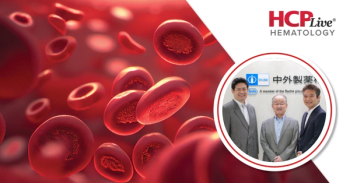
Lasker Award winners Takehisa Kitazawa and Tomoyuki Igawa discuss prophylaxis gains, remaining unmet needs, and lessons for drug discovery.
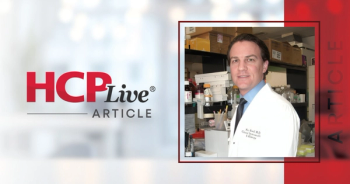
In the phase 3 RAPIDe-3 trial published in The Lancet, median time to symptom relief was 1.28 hours with deucrictibant vs more than 12 hours with placebo.
Lasker Award winners Kunihiro Hattori, Takehisa Kitazawa, and Tomoyuki Igawa recount the 2400 variants behind the drug.

Weltruza requires no loading doses, oral supplementation, or post-injection monitoring, with approval based on the phase 3 SOLARIS trial.
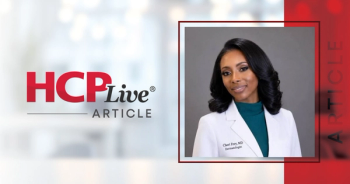
In this session, Cheri Frey, MD, shared a framework for evaluating skincare products, from ingredient plausibility to clinically meaningful results.
Andrea Murina, MD, reviewed strategies for optimizing HS biologics, combining therapies, and reconsidering the role of surgery.

HCPLive previews Fall Clinical 2026 in Las Vegas, October 8-11, with key sessions on atopic dermatitis, psoriasis, and vitiligo, plus expert interviews.
With the Viaskin Peanut BLA filed for ages 4 to 7, here's where the patch, omalizumab, and office OIT fit for peanut allergy.With the Viaskin Peanut BLA filed for ages 4 to 7, here's where the patch, omalizumab, and office OIT fit for peanut allergy.
Advertisement
Advertisement
Trending on HCPLive
1
Tilrekimig Meets EASI-75 Goal in Atopic Dermatitis, With Eric Simpson, MD
2
Tips on Optimizing HS Biologics, Combinations, and Surgery
3
ACG Guideline Sets 18 Preventive Care Recommendations for Cirrhosis
4
FAQ: ASH's New Ferritin Thresholds, With Jacquelyn Powers, MD, MS
5