
Zinc is the second most abundant trace element in the human body after iron, and is present in high concentration in the human eye.
Zinc is the second most abundant trace element in the human body after iron, and is present in high concentration in the human eye.

There is a found significant unmet need to develop treatments that limit or protect against scar formation, GA development, retinal thinning, fluid increase, and lesions, as an accompaniment to anti-VEGF therapy.

The findings lend to investigators believe that earlier endpoints for AMD diagnosis are needed.

Use of this new approach suggests that HCV infection burden in New York City has been underestimated in populations considered high-risk for HCV, and that HCV transmission has increased among young adults in the city.

The study authors state these data can be used to develop a tailored approach to the elimination of hepatitis C virus infection, worldwide.
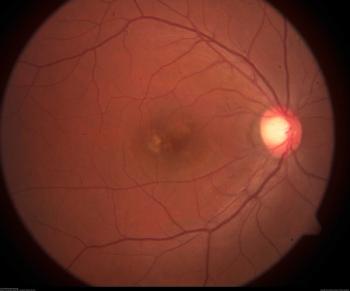
A post-hoc analysis of data from the TREX-AMD trial has determined that eyes with neovascular age-related macular degeneration and treated with ranibizumab, develop more macular atrophy lesions within baseline choroidal neovascularization regions than outside those regions.
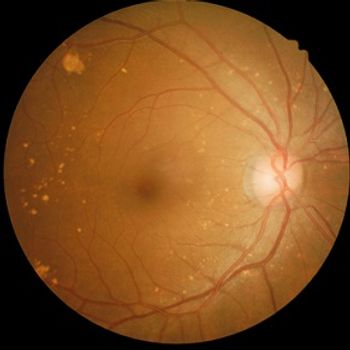
Recent research suggests that reticular pseudodrusen may be associated with the progression of early AMD to GA. Although an association has been theorized between pseudodrusen and AMD, researchers remain unclear on the pathogenesis of reticular pseudodrusen.
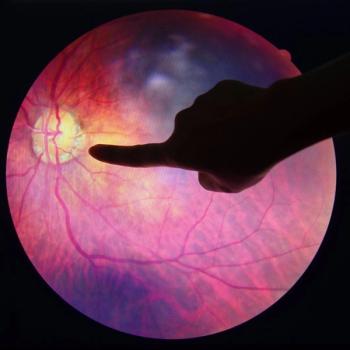
Risk of scar development increased from three-fold at 2 years to 4.5-fold at 5 years, possibly as a result of treated quiescent classic lesions that relapsed over time.

If these results are confirmed by future research, the use of blood eosinophil count tests could improve patient care and reduce asthma-associated healthcare costs.

Emixustat has been shown in previous preclinical analysis to slow the visual cycle and inhibit the activity of RPE65 and associated loss of photoreceptors associated with RPE dysfunction.

Utilizing research from the Age-Related Eye Disease Study 2, researchers found that MA and GA may be part of the same disease process affecting the visual acuity of patients with AMD.

Evidence determines that those receiving treatment for nAMD should delay cataract surgery within 6 months of starting treatment, if possible.

The findings present the first assessment of peripheral changes in AMD and time to dark-adapt and could establish DA as a promising functional outcome measure in AMD.

The model was tested using 402 normal and 708 AMD color fundus images, achieving a 95.45% average accuracy with a 10-fold cross validation strategy and a 91.17% average accuracy with blindfold validation.

Study results show that OHTN may be an early biomarker of hypertension and may herald risk of developing AMD, and perhaps, other conditions caused by vascular disease.
Researchers predicted that the inclusion of these additional factors—such as DME or RVO, and Medicare Advantage plan or private insurance use—would see cost savings in excess of $30 billion.

The effectiveness of this nutritional prophylactic supplement is determined by genetic variation, making genotype group identification an important factor.

New data has shown that using the anti-VEGF agent in patients with AMD that are older than 85 does not increase their risk of heart attack or stroke.

Patients who consumed vinegar daily along with a restricted calorie diet lost more weight and saw improved BMI scores compared to those just on the diet.

While some baseline characteristics may put patients at a greater risk of developing macular atrophy, ultimately, ranibizumab was not determined to raise that risk.

Researchers note that efforts are needed to align clinical practice with clinical guidelines.

Although popular, organic light-emitting sleep masks have been reported to be ineffective in reducing disease progression for patients with diabetic macular edema.

According to data, patients with neovascular AMD can continue their prescribed use of AP/AC medication without negative effects on AMD outcomes.

Development of interventions that provide strategies for young adults with ADHD to respond to influence may provide the best solution to nonmedical prescription stimulant use on campuses.

For treating AMD, the 3 anti-VEGF agents report similar efficacy and safety results in trials but different molecular structure and biochemical properties.

Long-term use of nonsteroidal anti-inflammatories may decrease the risk of developing age-related macular degeneration.

Brief school-based interventions can be utilized to improve the homework problems of middle school students with ADHD.
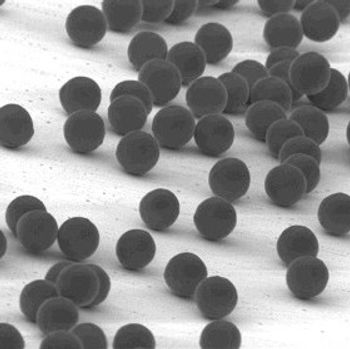
Less invasive interventions could be achieved in AMD with encapsulated microspheres as a method of delivering treatment to patients.

There is some promising evidence for the use of microperimetry in functionally assessing AMD, despite research results being limited.

The first patients have been enrolled into the first-in-human IMM-529 clinical study for the treatment of Clostridium difficile infection.

July 31st 2017

September 14th 2017