

A new study highlights the urgency to implement better access and distribution of naloxone to avert witnessed opioid overdose deaths.
A new study highlights the urgency to implement better access and distribution of naloxone to avert witnessed opioid overdose deaths.

The CDC is encouraging public feedback on updated guideline recommendations for opioid prescribers for the first time since 2016.

Investigators developed a new method to identify potential treatments for hundreds of diseases by profiling drugs approved by the FDA.

Within the first year of the pandemic, total patients in the emergency department with a violent penetrating injury significantly increased—disproportionately so for people of color.

Experts explain that their analysis clearly lays out how lack of effective regulation and an unchecked profit motive created the opioid epidemic.

The recombinant von Willebrand factor, VONVENDI, receives approval from the FDA to treat patients living with severe type 3 von Willebrand disease.

Pfizer’s statement does not include a reason for the Complete Response Letter the FDA issued regarding the Biologics License Application for somatrogon for Pediatric Growth Hormone Deficiency.

The Carter Center announces that just 14 cases of Guinea worm disease occurred worldwide in 2021--the lowest case total ever recorded.

The findings of this study can be applied to guide opioid counseling and monitoring when prescribing the medication.

A new study evaluated factors associated with quality of life by observing levels of chronic pain in Chinese patients who were receiving maintenance hemodialysis.
A gene therapy for retinal degenerative diseases receives an investigational new drug (IND) clearance from the FDA to move forward with the Phase 2 trial of the multi-characteristic opsin (MCO-010) therapy.
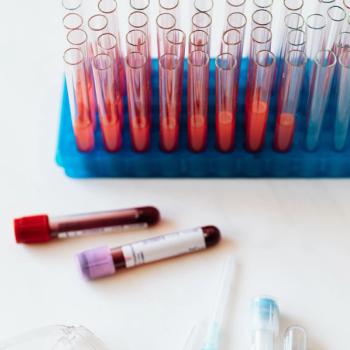
In the midst of a national blood crisis, the FDA is funding a study to examine if different questioning can be used to determine the HIV risk of gay or bisexual men who want to donate blood.

Since an effective treatment for the rare disease metachromatic leukodystrophy had not previously been distinguished, investigators analyzed data on the safety and efficacy of arsa-cel, a gene therapy.

While Omicron cases surge, Valentina, Baez-Sosa, MD, speaks on the national blood shortage and the risk it poses to patients with sickle cell disease in particular.

Maureen Achebe goes into detail about the open label extension of the HOPE trial that evaluated to use of Voxelotor in patients with sickle cell disease and anemia.

As the year begins, Edward Ivy addresses what's currently happening in the field of sickle cell disease from the impact of the blood shortage to exciting new therapies.
Alloimmunization is more prevalent among patients with sickle cell disease than previous literature states. Baez-Sosa discusses her study and treatment practices.

After conducting and extensive literary review on all eligible data regarding COVID-19 in patients with sickle cell disease or trait, experts discuss what is known and what needs to be better understood about the pandemic's effect on this population.

Investigators conducted an extensive literature review on clinical COVID-19 outcomes in patients with SCD or SCT to better navigate treatment during the pandemic.

Regina Hartfield is the new CEO and president of the Sickle Cell Association of America. Listen to our interview with her to find out what's in store for 2022.
Baez-Sosa explains why further investigation of alloimmunization in patients with sickle cell disease is crucial.

Beach shares about Haywood's life, research, and impact on the sickle cell disease community after working alongside him at Johns Hopkins School of Medicine.
Achebe explains the promising results of the open label extension to the HOPE trial for patients with sickle cell disease.

Investigators examine the impact that 1 or 2 doses of dexamethasone has on morphine consumption and postoperative pain in patients undergoing a total knee arthroplasty.

Frank Peacock explains how methylnaltrexone can prevent patients with opioid-induced constipation from being hospitalized.

Phase 3 trial examines if adjusting the dose of hydroxyurea reduces the risk of stroke in children with sickle cell anemia.
New research published in The Journal of Emergency Medicine shows that methylnaltrexone is a great solution to opioid-induced constipation.
Accurate results can be obtained rapidly with this intuitive whole blood hemostasis system, allowing for efficient workflow at the point of care.

In this interview, Valton details the editing function of TALGlobin01 and how it stands out among traditional gene therapy approaches to sickle cell disease.

Björn Mellgård gets technical as he describes the function of TAK-755, the recombinant ADAMTS13 enzyme, in sickle cell disease and cTTP.