

In its phase 2 trial, acebilustat (CTX-4430) was found to show clinically meaningful improvement in pulmonary exacerbations in patients with cystic fibrosis.
In its phase 2 trial, acebilustat (CTX-4430) was found to show clinically meaningful improvement in pulmonary exacerbations in patients with cystic fibrosis.

: In a recent phase 3 SONICS study, levoketoconazole was found to be well tolerated in patients with endogenous Cushing’s syndrome.

The FDA has granted a rare pediatric disease designation to CLR 131 for the treatment of Ewing’s sarcoma.
The FDA has granted an orphan drug designation to MeiraGTx Holdings Plc’s AAV-CNGA3 for the treatment of achromatopsia caused by mutations in the CNGA3 gene.
Investigators find boys treated with alkylating agents or with hydroxyurea for sickle cell disease resulted in a significant reduction in spermatogonial cell counts, suggesting that these agents can affect fertility.

Diacerein 1% ointment (CCP-020) received a fast track designation from the FDA for the treatment of epidermolysis bullosa simplex.
Krystal Biotech’s KB105 has received an orphan drug designation by the FDA for the treatment of patients with transglutaminase 1 deficient autosomal recessive congenital ichthyosis.

Mutations in the MARK3 gene has been identified as the responsible culprit for pediatric blindness caused by a recessive genetic disorder.

The FDA granted an orphan drug designation to Alector’s AL001, a human recombinant monoclonal antibody, for the treatment of patients with frontotemporal dementia.

The FDA has approved lumacaftor/ivacaftor to include use in children ages 2 through 5 years with cystic fibrosis (CF) who have two copies of the F508del-CFTR mutation, making it the first medicine approved to treat the underlying cause of CF in this population.
The US Food and Drug Administration (FDA) has granted a rare pediatric disease designation to Prometic Life Sciences Inc.’s PBI-4050 for the treatment of Alström syndrome.
The FDA has granted an orphan drug designation to Pliant Therapeutics, Inc’s anti-fibrotic lead compound, PLN-74809, for the treatment of patients with idiopathic pulmonary fibrosis.
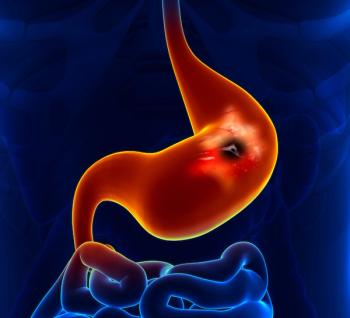
The US Food and Drug Administration (FDA) has granted an orphan drug designation to Alteogen Inc.’s ALT-P7 for the treatment of patients with gastric cancer.

The FDA has granted a fast track designation to Nohla Therapeutics’ dilanubicel (NLA101) for patients with high-risk hematologic malignancies receiving an allogeneic cord blood transplant.

Investigators have discovered a rare cell type, referred to as Foxi1+pulmonary ionocyte, which is thought to be a key player in the biology of cystic fibrosis.

Financial hardship in a substantial proportion of adult survivors of childhood cancer was found by investigators from St Jude Children’s Research Hospital, suggesting screening for financial problems in patients.
The New England Journal of Medicine has published the 48-week phase 3 clinical trial results that supported the FDA approval of L-glutamine oral powder for the reduction of acute complications of sickle cell disease in adult and pediatric patients.

A phase 3 trial to investigate lenabasum as a potential treatment for dermatomyositis, a rare and often fatal multisystem inflammatory autoimmune disease affecting muscle and skin, have been announced by Corbus Pharmaceuticals Holdings, Inc.
The FDA has granted an orphan drug designation to ArmaGen Inc.’s GT-184 for the treatment of mucopolysaccharidosis type IIIA.
The FDA has granted a breakthrough therapy designation to Daiichi Sankyo Company, Limited’s investigational FLT3 inhibitor, quizartinib, for the treatment of adult patients with relapsed/refractory FLT3-ITD acute myeloid leukemia (AML).

Phase 3 trial assessing RHB-104 as a treatment for Crohn’s disease yields positive results.

High levels of the protein Mfn2 were found to prevent nerve degeneration, muscle atrophy, and paralysis of amyloid lateral sclerosis (ALS) in a mouse model.

Researchers investigate whether the location of a mutation in the PIK3CA gene affects the mutation’s ability to drive cancerous growth.

Leading artificial intelligence companies have partnered up to develop new drug candidates for Duchenne muscular dystrophy.
The FDA granted an orphan designation to Surface Oncology’s SRF231 for the treatment of multiple myeloma, a rare blood cancer.

Positive data collected from 2 phase 2 trials evaluating bardoxolone methyl in patients with chronic kidney disease (CKD) caused by Alport syndrome and autosomal dominant polycystic kidney disease (ADPKD) have been reported.

Researchers find that blocking one or more genes in the HSF1 pathway could represent a new approach in treating the rare, aggressive disease.
The FDA has granted a fast track designation to diazoxide choline controlled-release (DCCR) for the treatment of Prader-Willi syndrome.

Researchers from the Washington University School of Medicine have discovered an investigational therapy that could potentially benefit patients with an inherited form of ALS.

Yale Cancer Center scientists find that some rare hereditary cancer syndromes are defined by defects in homologous-recombination DNA repair.