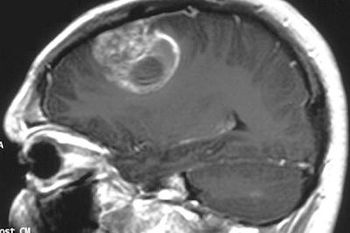
Prospective genomics can inform subsequent clinical trial analysis aiming at matching outcome with tumor genotyping.
Prospective genomics can inform subsequent clinical trial analysis aiming at matching outcome with tumor genotyping.

Express Scripts announces a new Rare Conditions Care Value program for rare disease patients with introduction support service of Second Opinion in partnership with PinnacleCare.

Saby George, MD, FACP, and Dena Battle, president of nonprofit patient advocacy group, KCCure, discussapproval of Opdivo (nivolumab) and Yervoy (ipilimumab) therpay combination for kidney cancer.
The US FDA has granted Genea Biocells Orphan Drug Designation to its product, GBC0905, for the treatment of facioscapulohumeral muscular dystrophy (FSHD).

The FDA approved the first artificial iris for both pediatric and adult patients with aniridia who have an iris that is completely missing or damaged.

Marijke van den Berg, MD, PhD, Alok Srivastava, MD, and Glenn Pierce, MD, PhD discuss gene therapy in hemophilia.

The FDA has accepted its supplemental New Drug Application (sNDA) and granted Priority Review designation to Promacta (eltrombopag) in combination with standard immunosuppressive therapy (IST) for first-line treatment of severe aplastic anemia (SAA).
The US FDA has granted Astellas Pharma Inc priority review for gilteritinib for refractory acute myeloid leukemia (AML) with a FLT3 mutation as detected by an FDA-approved test.

The Nipah virus outbreak in India's southern state of Kerala may have spread to the neighboring state of Karnataka.

FDA grants larotrectinib New Drug Application and Priority Review for the treatment of locally advanced or metastatic solid tumors containing an NTRK gene fusion on both adult and pediatric patients.

In an article recently published by the Institute of Cancer Research, genetic testing was indicated to result in life-extending treatment for incurable pediatric brain tumors.

Facial analysis technology can help identify the most characteristic and relevant facial features found in Williams-Beuren syndrome (WBS) in diverse populations.

Daniel de Boer, CEO of ProQR, Rare Disease Report ® discusses the company’s new RNA therapy, QR-313, for the treatment of dystrophic epidermolysis bullosa (DEB).
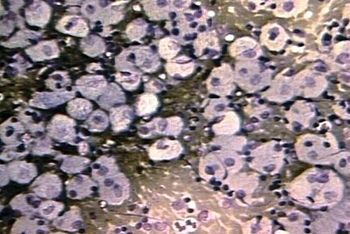
In a recent study, hematologists were dubbed pivotal in finding and treating Gaucher disease Type 1.

Christopher-Paul Milne, research associate professor, director of research at Tufts CSDD at Tufts University School of Medicine and the analysis conductor of the study, further explains orphan drug development.

Two early-stage studies of gene therapies from Pfizer, Spark Therapeutics, and BioMarin Pharmaceutical indicate efficacy for hemophilia A and B treatment.

Results from an online, self-administered survey showed a mostly consistent and unified response in pulmonologist treatment responses.

Yesterday, UroGen Pharma Ltd released positive data from its interim analysis of the ongoing pivotal Phase 3 OLYMPUS clinical trial of UGN-101 (MitoGel) for the non-surgical treatment of low-grade upper tract urothelial cancer (UTUC).

Results from a recent head-to-head pharmacokinetic study show Rebinyn is more effective than rFIXFc in adults with hemophilia B.

Results from Roche's phase III HAVEN 3 and phase III HAVEN 4 studies, which assessed the administration of Hemlibra (emicizumab) in people with hemophilia A without factor VIII inhibitors, show efficacy.
Fibrocell Science, Inc released interim results and progress regarding its phase 1/2 clinical trial of FCX-007 for the treatment of recessive dystrophic epidermolysis bullosa (RDEB).

Harmony Biosciences, LLC, announced that the FDA has granted Breakthrough Therapy and Fast Track designations to its product, pitolisant, for the treatment of excessive daytime sleepiness and cataplexy in patients with narcolepsy.

The first patient has been enrolled in PEDFIC-1, a phase 3 clinical trial of A4250, an ileal bile acid transporter (IBAT) inhibitor being studied for the treatment of patients with progressive familial intrahepatic cholestasis (PFIC).

The phase 1/2 trial for ABO-102 (AAV-SGSH), clinical gene therapy for the treatment of Sanfilippo syndrome type A (MPS III A) shows efficacy in trial update.

The FDA has granted Rare Pediatric Disease Designation to Myonexus Therapeutics for its MYO-101, which is an AAV-based gene therapy for the treatment of limb girdle muscular dystrophy (LGMD) type 2E.

The FDA granted rare pediatric disease designation to Castle Creek Pharmaceuticals (CCP) for diacerein 1% ointment (CCP-020) for the treatment of epidermolysis bullosa simplex (EBS).

The US Food and Drug Administration (FDA) has accepted the Bioverativ's Investigational New Drug (IND) application for BIVV003, a gene-edited cell therapy candidate for the treatment of people with sickle cell disease.

Data is released from a pilot study of X4P-001-IO in combination with nivolumab in patients with clear cell renal cell carcinoma (ccRCC) who are non-responsive to the anti-PD-1 checkpoint inhibitor nivolumab alone.
FDA grants orphan drug designation to Sarconeos for Duchenne muscular dystrophy (DMD).
Positive results yield from a phase 2 tudy of bertilimumab in patients with moderate-to-extensive bullous pemphigoid (BP).