

Researchers map family trees of cancer cells in acute myeloid leukemia to better understand how the cancer responds to new drug, enasidenib.
Researchers map family trees of cancer cells in acute myeloid leukemia to better understand how the cancer responds to new drug, enasidenib.

The first human clinical trial to assess RNA therapy, QR-313, for the treatment of recessive dystrophic epidermolysis bullosa has been initiated.

PharmaKrysto Ltd. and Rutgers University, New Jersey, have entered into a licensing agreement for the development of PK10, a novel drug for the treatment of cystinuria.

Phase 2a clinical trial commences for repurposed drug, SOM3355, for the treatment of Huntington’s disease.
The US Food and Drug Administration (FDA) has granted an orphan drug designation to Corbus Pharmaceuticals Holdings, Inc’s lenabasum for the treatment of dermatomyositis.

The US Food and Drug Administration (FDA) has granted fast track designation to galinpepimut-S (GPS) for the treatment of multiple myeloma.
The FDA has granted a breakthrough therapy for atezolizumab Tin combination with bevacizumab for the treatment of advanced or metastatic hepatocellular carcinoma.

Researchers have identified a unique mutation in a deceased transthyretin (TTR) amyloidosis patient, which sheds light on the disease and may help identify new targets for treatment.
The FDA has granted an orphan drug designation to Asceneuron SA for ASN120290, for the treatment of progressive supranuclear palsy.

Researchers from the Children’s Research Institute are working on the development of personalized CRISPR-Cas9 genome editing therapeutics for rare diseases, such as Pompe disease.
The FDA and EMA’s Committee for Orphan Medical Products granted an orphan drug designation to INZ-701 for the treatment of ENPP1 deficiency.

Researchers at Baylor College of Medicine find that mutations in the gene TRAF7 are associated with a multisystem disorder presented by 7 patients.
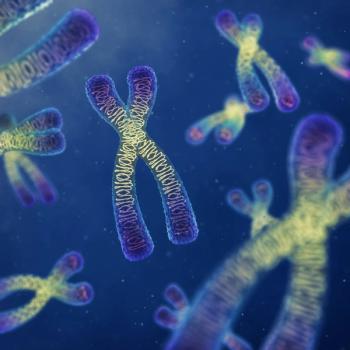
Pivotal clinical trial, CONNECT-FX, commences to evaluate CBD gel as a treatment for fragile X syndrome.
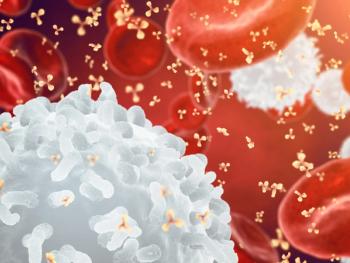
Study performed by researchers at Juntendo University reveals molecular mechanisms that trigger CALR-mutant myeloproliferative neoplasms (MPNs).

A recent study provides the first large-scale evidence that the cost of care for some rare pediatric skin conditions can potentially be reduced while achieving the same outcomes.

The phase 3 trial evaluating ZX008 as a treatment for Dravet syndrome met its primary endpoint.
The FDA has granted orphan drug designation to Acceleron Pharma Inc for its product, ACE-083, for the treatment of facioscapulohumeral muscular dystrophy (FSHD).

Results from a phase 3 clinical trial evaluating an ibrutnib combination with a chemotherapy regimen for the treatment of diffuse large B-cell lymphoma fails to meet primary endpoint.

The FDA has accepted and granted priority review for a new supplemental Biologics License Application (sBLA) for pembrolizumab (KEYTRUDA) for the treatment of advanced hepatocellular carcinoma (HCC).

FDA Commissioner, Scott Gottlieb, MD, announced the FDA’s efforts to advance the development of gene therapies through the addition of 6 scientific guidance documents.

Friedreich’s ataxia treatment, omaveloxolone, received orphan drug designation from the European Commission.

An isotopic-reinforced polyunsaturated fatty acids shows a reduction in cognitive deficits in a preclinical in vivo model of Huntington disease.
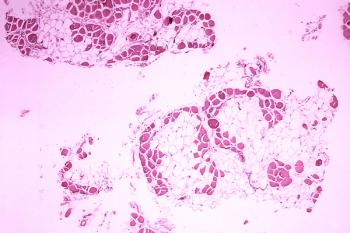
Similar to the phase 2 MoveDMD trial, the phase 3 POLARIS trial will share the same patient population and functional endpoints.

Data from the Alcyone MEMS Cannula (AMC), which can intratumorally administer the oncolytic adenovirus, may be an effective diffuse intrinsic pontine glioma (DIPG) treatment, according to recently presented data.
CLR 131 was granted an orphan drug designation by the US Food and Drug Administration (FDA) for the treatment of Ewing’s sarcoma, a rare pediatric cancer.

Morie Gertz, MD, discusses a new treatment for hATTR amyloidosis patients, inotersen, as it makes its way towards FDA approval.

Researchers at Penn Medicine have found patients with more severe forms of neurodegenerative diseases possess more co-pathologies.

Updated phase 1 data assessing indoximod plus front-line radiation and maintenance chemotherapy for the treatment of pediatric patients with DIPG proves promising.
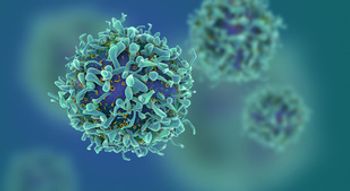
Researchers from UT Southwestern Medical Center have identified 29 genes thought to contribute to rhabdomyosarcoma using the iExCN algorithm, a novel hybrid technology.
A new drug under development for the treatment of paroxysmal nocturnal hemoglobinuria has been shown to be beneficial in participants enrolled 2 ongoing phase 1b trials.