

The approval adds to Ritestar’s currently approved albuterol sulfate 2.5 mg/3 mL (0.083%), 1.25 mg/3 mL, and 0.63 mg/3 mL strength products.

Victoria Johnson joined MJH Life Sciences in 2020 and has written for NeurologyLive, CGTLive, and is now an assistant managing editor for HCPLive and RheumatologyLive. She doesn’t have enough time for her numerous hobbies. You can reach her at [email protected].
The approval adds to Ritestar’s currently approved albuterol sulfate 2.5 mg/3 mL (0.083%), 1.25 mg/3 mL, and 0.63 mg/3 mL strength products.

Associations were particularly strong for people with severe COPD.

Vapendavir shows promise in reducing respiratory symptoms and illness duration in COPD patients infected with rhinovirus.

Long-term studies reveal that benralizumab achieves sustained remission in severe eosinophilic asthma, significantly reducing exacerbations in older adults.

New research follows a previous landmark study that linked mucus plugs to increased mortality in people with COPD even without hallmark symptoms.
In part 2 of this episode of Crisis Point, 4 experts on pain and opioid misuse discuss continuing efforts to turn the tide.
In part 1 of this episode of Crisis Point, 4 experts on pain and opioid misuse discuss the evolving public health crisis.

New findings reveal significant systemic symptoms in pediatric patients with PR-10-related pollen food allergy syndrome, highlighting the need for better management strategies.

Explore innovative strategies for asthma management that prioritize shared decision-making and address environmental, social, and behavioral factors.
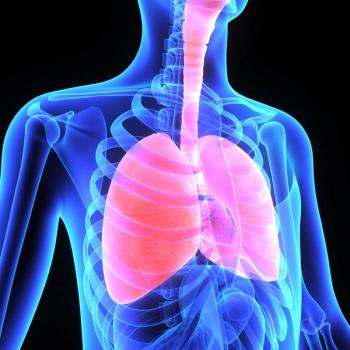
A recent study reveals that asthma-COPD overlap does not significantly worsen outcomes in well-managed severe asthma patients.

New findings reveal that higher HbA1c levels worsen asthma control in children, linking metabolic dysfunction to increased asthma morbidity.

Virtual pulmonary rehabilitation enhances access and improves outcomes for COPD patients, demonstrating safety and effectiveness in individualized care.

New triple therapy BGF shows significant and clinically meaningful lung function improvement in patients with uncontrolled asthma, with full data readouts coming soon.
The month in review spotlights new data for COPD and bronchiectasis, as well as new research and conversations around smoking.

Mepolizumab significantly reduces COPD exacerbations in patients with eosinophilic phenotype, offering new hope for improved management and patient outcomes.

The 25-mg brensocatib group showed statistically significant changes in FEV1 decline as well as pulmonary exacerbations.

In new preference research, the average participant with AA was willing to trade approximately 5 years of life to avoid impacts associated with 50–100% scalp hair loss.

The findings may facilitate accurate diagnoses, which could help patients slow or stop permanent hair loss.

Participants in the cytisinicline group also had a significantly greater reduction in smoking urges.

Overall, Asthma Control Test (ACT) measures improved by 37%.
In this summary, we highlight the latest issue of our pulmonology research quarterly newsletter powered by the American Lung Association Research Institute.

Mindy Hoang, MD, discussed Wayne State University’s program to help clinicians understand and address underserved patients’ potential social needs.

Justin Riley Lam, MD, discussed findings from a retrospective cohort analysis at the 2025 ACP Internal Medicine Meeting.

Angel Goenawan, MD, shared findings from a meta-analysis of surgical and nonsurgical clinical trials.

Nawsabah Noor, MBBS, discussed how her team developed novel AI training to reduce racial bias in diagnosing mpox lesions.
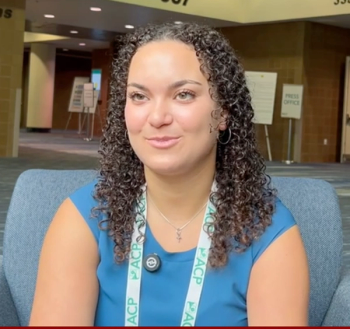
Valerie Louis outlined her ASKmeGOC study and the electronic tool her team developed to help preemptively record preferences.

Zehavi Horowitz-Kugler, MD, and Ran Shaul discussed an AI model K Health developed and evaluated in a virtual urgent care clinic.

Adrienne Poon, MD, MPH, discussed early findings from a community health needs survey of AAPI populations.
Our Q1 2025 recap for pulmonology spotlights 5 regulatory updates, 5 key trial announcements, and top expert perspectives in pulmonology care. Read now:

Statistically significant improvements were seen in BAS, MFI, SF-36 subscores, SSS fatigue, disrupted sleep. PEM, and orthostatic intolerance.