

However, subgroup analyses may reveal a more pronounced effect in people with severe COPD.

Victoria Johnson joined MJH Life Sciences in 2020 and has written for NeurologyLive, CGTLive, and is now an assistant managing editor for HCPLive and RheumatologyLive. She doesn’t have enough time for her numerous hobbies. You can reach her at [email protected].
However, subgroup analyses may reveal a more pronounced effect in people with severe COPD.

CRN declined from 23.2% to 13.1% between 2011 and 2022 but still affects around 2.5 million adults in the US.

New findings cast doubt on required black box warnings for montelukast (brand name Singulair).

Meteorological conditions’ effect on exacerbations were likely mediated by particulate matter.
Current asthma diagnosis requires specialized breathing tests that can be challenging for young children.
Within 2 years of death, fall-risk increasing drug burden was associated with greater odds of an injurious fall.
Piatek discussed findings from a healthcare resource utilization study and a sentiment analysis study presented at ASH 2024.
The biosimilars month in review highlights a newly approved ustekinumab biosimilar and a look into the field in 2024.
CT-P42 may help improve access to aflibercept in lower-income countries.

Pipe discussed a symposium at ASH 2024 about practical implementation of gene therapy in the field.
Schultz discussed the SCtalk trial and its findings at ASH 2024.
Zaheer discussed how this research may be used as a model to help study other therapy transitions as well.
Bendapudi gave an overview of 2 studies presented at ASH 2024 from his Harvard lab.
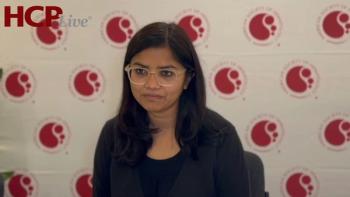
Rani discussed an in-depth study examining quality of sleep and quality of life in children and adolescents with SCD.

Iron deficiency is currently screened at a ferritin threshold of 15 ug/mL, well below an accepted 25 ug/mL threshold.

The ATEV therapy, named Symvess, provides revascularization when autologous vein graft or implantation of a synthetic graft is not feasible.
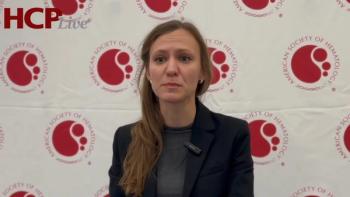
Weisinger discussed findings from the largest cohort of patients with iTTP treated with Obinutuzumab.

Celltrion’s CT-P43/ustekinumab-stba has been approved under the name Steqeyma and is expected to launch in February 2025.

Matsushita discussed findings from the OLE FRONTIER4 study of Mim8.
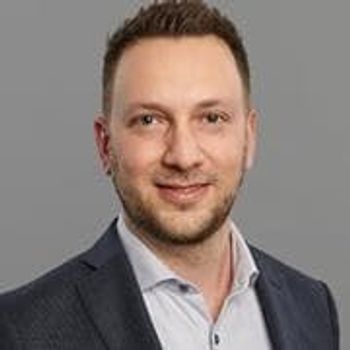
Matino discussed data from the phase 3 BASIS study evaluating the recently approved Hympavzi.

Samelson-Jones discussed follow-up data of up to 6 years with investigations of fidanacogene elaparvovec.

Bernaudin discussed the Drepagreffe-1 and 2 studies and improvements seen over 10 years of follow-up.

Real-world clinical data from the Adelphi PNH II Disease Specific Programme were reported at ASH 2024.

Danicopan add-on therapy demonstrated more favorable safety in the ALPHA trial than pegcetacoplan did in the PEGASUS trial in a new analysis.

Appiah-Kubi also noted that despite elevated HbF levels, very young children with SCA already had anemia and reticulocytosis.

Pipe discussed findings from the open-label extension of the ATLAS studies at ASH 2024.

Chaturvedi discussed findings from the NeST study at ASH 2024, including an increased risk of stroke in those with silent cerebral infarction progression.
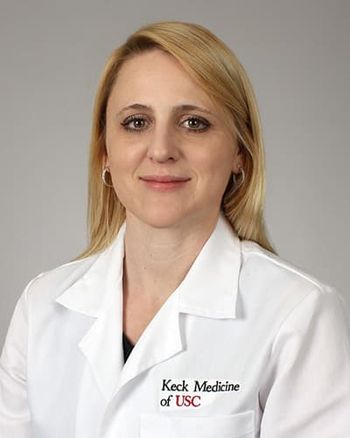
Piatek shared the latest data update from the phase 3 ALPHA study at the ASH 2024.
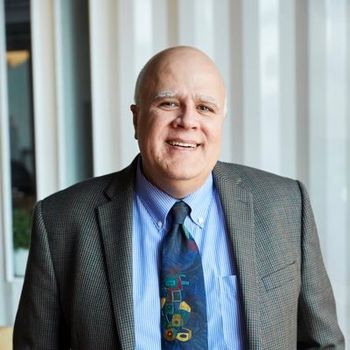
Frangoul discussed highlights from the latest data update from the CLIMB SCD-121 trial of Casgevy.

While the therapy was generally well-tolerated, the PIVOT trial failed its primary endpoint of dose-limiting toxicities.