



Dementia and Alzheimer Disease
Latest News

Advertisement
Video Series









Latest Videos







Shorts

1:27
Medical Ethics Unpacked: Caring for Patients With Dementia Ethically
7 months ago
by
Rose Onyeali, MD

1:17
Medical Ethics Unpacked: Dementia Decline with Solitary Confinement
7 months ago
by
Rose Onyeali, MD

1:36
Semaglutide Misses Mark for Alzheimer Disease in evoke Trials
10 months ago
by
Diana Isaacs, PharmD, BCPS, BCACP, BC-ADM, CDCES(+1 more)
Podcasts

CME Content























































Advertisement
More News

Findings suggest people with reduced kidney function have higher levels of Alzheimer’s biomarkers in their blood but not an increased risk of dementia.

Novo Nordisk has terminated the 1-year follow-up for the evoke and evoke+ trials after no significant reduction was indicated in either.

An audio recap of the top 5 stories in healthcare news from the week of 10/12-18.

Roche’s Elecsys pTau181 blood test helps primary care clinicians rule out Alzheimer’s amyloid pathology in patients with cognitive symptoms.
FDA approval of weekly subcutaneous lecanemab-irmb offers at-home maintenance therapy for early Alzheimer’s after initial intravenous treatment.

A review estimated that eliminating cerebrovascular disease could have prevented 1.5 to 1.8 million US dementia cases in 2020.

Findings showed GLP-1 RAs reduced the risk of overall dementia, particularly Alzheimer’s disease and non-vascular dementias, compared with metformin.
This Month in Review highlights the top psychiatry news in January.

A study indicated that telomere length may not directly cause age-related brain diseases, but healthier lifestyles could counteract the harmful effects of shorter telomeres.

A study showed that greater total cholesterol and low-density lipoprotein cholesterol were associated with a quicker decline in global cognition.

A study found palliative care for dementia did not improve neuropsychiatric symptoms but reduced emergency visits and hospitalizations over 2 years.

A study found depressive symptoms in older individuals with normal cognition were linked to amyloid pathology in APOE ε4 noncarriers but not carriers.

A study showed that vitamins, supplements, and antipsychotics were associated with an increased dementia risk.

A study found many people with dementia live approximately 1 third of their remaining life expectancy in nursing homes.

This study’s investigators examined long-term risk of dementia and Alzheimer’s dementia in patients with psoriasis, highlighting several notable findings.

The study highlights how the experience of loneliness for care partners of people with dementia changes relationship roles throughout the dementia trajectory.

Myloid-reducing monoclonal antibodies for patients with Alzheimer have harmful risks, such as cerebral edema, hemorrhage, serious adverse events, and death, according to a new study.

Participants with poor sleep quality were 85% more likely to have poor cognitive performance on the Stroop test than participants with good sleep quality, a new study found.

In a new study, hearing loss was significantly associated with a 7% higher risk of dementia, while hearing aids were shown to reduce such risks.
While specialists still debate the diagnostics of impaired cognition, the identification of patients at the earliest stages is beginning to be met through new biomarkers and available assays.
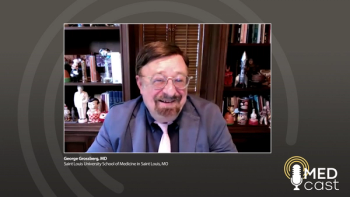
Expert geriatric psychiatrists explore a frequently encountered symptom in Alzheimer’s disease, agitation. We will discuss its impact on patient’s and care giver’s quality of life, the current standard of care and the first FDA approved agent for treatment of agitation symptoms in Alzheimer’s disease.

New research was found on alcohol consumption as a modifiable risk factor in dementia, in a study out of South Korea.

In a population-based cohort study in China, researchers found that a healthy lifestyle contributed to slower declines in memory for older adults.

Research suggests disparities between racial and ethnic groups exist among patients with Alzheimer’s disease and related dementias.

Research has highlighted new information for the identification of risk factors for dementia.
Advertisement
Advertisement
Trending on HCPLive
1
From Injectable to Oral: Optimal Durable Clearance Across the IL-23 Class
2
Ritlecitinib Stabilizes Vitiligo in Tranquillo Trial, With Iltefat Hamzavi, MD
3
Advances in Treating High-Impact Psoriasis from EADV 2026
4
FDA Updates Sotatercept Label, ERS Releases PAH Guidelines Based on HYPERION Data
5