





Atopic Dermatitis
Latest News

Advertisement
Latest Videos




CME Content























































Advertisement
More News

New PRO data from the INTEGUMENT-1 and –2 studies were presented at the ACAAI 2024 Meeting.
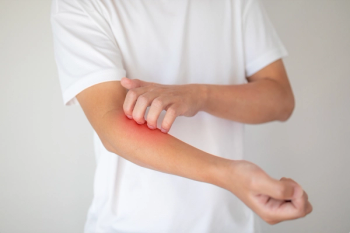
More patients with atopic dermatitis on stapokibart than on placebo achieved ≥ 75% improvement in Eczema Area and Severity Index over 52 weeks.

This interview from Fall Clinical featured a discussion of new findings on upadacitinib (Rinvoq) for patients with atopic dermatitis.

This interview at the Fall Clinical Dermatology Conference features a discussion with Stein Gold regarding the open-label extension of the phase 3 ADORING trial regarding tapinarof.

Many with moderate-to-severe atopic dermatitis do not reach treatment targets in 12 months, underscoring a need for proactive management strategies.

Stein Gold speaks in this interview about the new lebrikizumab (Ebglyss) data presented at the Fall Clinical Dermatology Conference.

This interview with Bunick highlighted the LEVEL UP phase 3b/4 trial findings regarding upadacitinib treatment of patients with atopic dermatitis.

In these data presented at the Fall Clinical Dermatology conference, population-based data on utilization and duration of systemic corticosteroid exposure was highlighted.

In this interview, Kwatra highlighted several key takeaways from his talks on prurigo nodularis, atopic dermatitis, and itch at the Fall Clinical Dermatology Conference.

These long-term extension trial data from ADORING 3 highlight tapinarof cream’s efficacy in adults and children aged 2 years and older with atopic dermatitis.

These data from the ADapt study, presented at Fall Clinical, suggest improvements among patients with eczema given lebrikizumab-lbkz who had been previously treated with dupilumab.

These data were presented at Fall Clinical, highlighting the reductions in Eczema Area and Severity Index scores and the overall long-term safety profile of tralokinumab-ldrm.
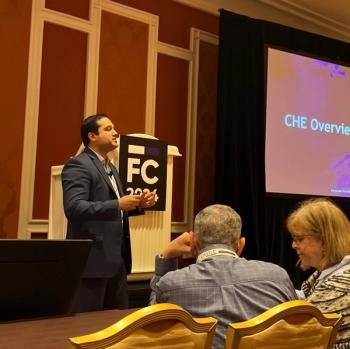
At the Fall Clinical Dermatology conference, Chovatiya presented on chronic hand eczema and facts about its pathophysiology, diagnosis, and management.

The drug’s favorable risk-benefit profile and sustained efficacy through 76 weeks was highlighted in this analysis’s findings.
This overview highlights our upcoming conference coverage at the Fall Clinical Dermatology Conference in Las Vegas.
This analysis reconfirms the efficacy of dupilumab using a single-center design, a large sample size, and patients with chronic hand eczema.

These data suggest more immediate benefits to alitretinoin, though ultraviolet therapy was shown to be cost-effective after 10 years of use.
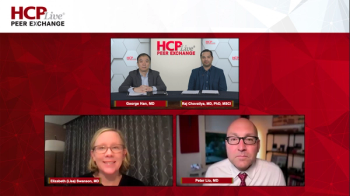
Medical experts share their final thoughts on the future of atopic dermatitis treatment with oral systemic agents.
Medical experts review the data on the use of oral JAK inhibitors for maintenance and rescue treatments in atopic dermatitis.

In this cohort study, the drug survival rates of methotrexate, cyclosporine A, and dupilumab for adolescents with eczema were assessed along with reasons for discontinuation.
In this single center analysis, investigators highlighted results of dupilumab treatment after 3 years among patients with moderate-to-severe eczema.
Medical experts discuss how often patients with atopic dermatitis request treatment breaks, their monitoring approach during these breaks, and how to educate and counsel patients about treatment breaks and rescue treatments, including identifying suitable candidates.
Medical experts rate dermatologists’ comfort with switching to JAK inhibitors and describe how frequently to switch patients from biologics to JAK inhibitors, including their treatment strategy for this population.

These data highlight barriers to pediatric treatments for eczema, providing potential strategies for caregivers and patients for adherence improvement.

Looking to the future of atopic dermatitis treatment, the panel discusses ongoing research and promising emerging therapies.
Advertisement
Advertisement
Trending on HCPLive
1
New Injectable Substantially Reduces Visceral Adipose Tissue in Obesity
2
Remibrutinib Receives FDA Approval for Symptomatic Dermographism
3
Why "Normal" Ferritin Can Miss Iron Deficiency, With Jacquelyn Powers, MD, MS
4
ZUPREME-2: Petrelintide Outperforms Placebo for Weight Loss in T2D and Obesity
5