
Cardiology
Latest News
Advertisement
Latest Videos


CME Content






















































Advertisement
More News
A cross-sectional study indicates a link between urinary levels of measured metals and metalloids and the stages of cardiovascular-kidney-metabolic syndrome.
GLP-1 medications are revolutionizing treatment for neurological conditions.
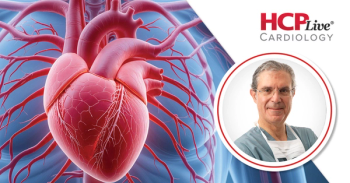
Kereiakes discusses the potential of lerodalcibep for adults with hypercholesterolemia and high LDL-C, highlighting recent FDA approval.
FDA approves lerodalcibep, a groundbreaking PCSK9 inhibitor, offering a monthly injection for LDL cholesterol reduction in patients with HoFH.
The FDA has approved etripamil nasal spray for the conversion of acute symptomatic episodes of paroxysmal supraventricular tachycardia to sinus rhythm.
Cross-sectional analysis from NHANES shows patients with advanced cardiovascular-kidney-metabolic syndrome are at an increased sarcopenia risk.
Weight-adjusted waist index outperforms obesity indices for cardiovascular disease prediction in cardiovascular-kidney-metabolic syndrome
GLP-1 receptor agonists revolutionize treatment in cardiology, offering new hope for heart failure and related conditions beyond weight loss.
This FDA News Month in Review provides a round-up of regulatory decisions from November 2025.

Remote patient monitoring revolutionizes cardiovascular care, enhancing preventive strategies, patient engagement, and outcomes through advanced technology and AI integration.
Catch up with major FDA decisions, critical conference news, and more.
Bilen discusses the COLLIGO-HCM trial, investigating the real-world efficacy of mavacamten monotherapy for patients with obstructive HCM.
Gibson discusses the promising improvements to the composite primary endpoint of mortality, stroke, and recurrent MI as a result of zalunfiban treatment.
The submission follows positive results from the BaxHTN trial, which saw the investigational aldosterone synthase inhibitor improve systolic BP versus placebo.
Sorajja discusses the results of this groundbreaking trial investigating a new implant for patients with severe mitral annular calcification.
The acceptance comes on the heels of positive topline results comparing the new device to the current on-body infusor.
CAVT With Anticoagulation Substantially Reduces RV/LV Diameter Ratio in PE, With Rachel Rosovsky, MD
Rosovsky discusses the revolutionary new therapy’s potential to revolutionize the field of pulmonary embolism treatment.
O’Donoghue discusses the results of this analysis of the FOURIER trial, highlighting that no limit was found for lowered LDL-C improving MACE risk.
Yan discusses the reversion of 50-year trends in mortality and the steps needed to reduce these rates back to pre-pandemic levels.
O’Donoghue discusses the results of the recent OCEAN(a)-DOSE trial and addresses the implications for Lp(a)-lowering therapies moving forward.
Explore the critical role of nutrition and pharmacologic therapies in managing hypertriglyceridemia and preventing pancreatitis effectively.
Explore how the latest FDA approvals impact the management of FCS.
Panelists break down the potential role of plozasiran in FCS based on the PALISADE trial.
Understanding severe hypertriglyceridemia is crucial for preventing pancreatitis and managing triglyceride levels effectively.
Advertisement
Advertisement
Trending on HCPLive
1
eGFR Underestimates CKD in Patients with Cancer, Study Finds
2
Tegoprubart Improves Quality of Life vs Tacrolimus After Kidney Transplant
3
ATTACK: Should Patients With CKD Start Aspirin for Primary Prevention?
4
GLP-1s Tied to Weight Loss in Peritoneal Dialysis, With Steven Brunelli, MD
5