


























































As it is becoming clearer how dangerous opioids can be for some patients work is being done to find alternatives to help manage pain without as much fear of addiction.

As it is becoming clearer how dangerous opioids can be for some patients work is being done to find alternatives to help manage pain without as much fear of addiction.

Long used in traditional medicine, new research illustrates the specific mechanisms by which plant-derived diterpenoids are able to alleviate pain and inflammation.

Medical sternotomy is a highly accessible route of entry into the chest cavity but apt to introduce infectious microbes.

A University of Queensland (Australia) researcher appears to have overcome a substantial hurdle in harnessing the potential of marine snail venom as a means for pain medicine.

Researchers reported that reawakened astrocytes appear to be a key trigger for S1 cortex (the remote region of the brain that is not directly affected by spinal cord injury) circuit rewiring and may contribute to sustained neuropathic mechanical allodynia.

Study results confirm that anxiety and depression before surgery can significantly influence the amount of pain a patient feels after surgery, adding to the evidence that the subjective experience of pain is worth considering, both before and after a pain intervention.

With a continually growing opioid addiction new guidelines have been adopted looking to help fight this problem across the population. Some concerns have been raised about whether this will cause doctors to shy away from prescribing the medications for patients who can benefit most from them.

One of the main concerns tied to prescription painkillers is their addictive properties. But those worries may be put to rest with the development of a new drug that provides the same relief without the side effects.

Study raises safety concerns about chronic obstructive pulmonary disease patients’ use of opioids at high rates.

Although children are also sufferers of chronic pain, the vast majority of research on treatment and just the condition in general is focused on adults. But a pain-relieving technique that has already proven its efficacy in the older population appears to be beneficial in the younger as well.

British research indicates that previous fracture appears to be associated with an increased likelihood of chronic widespread bodily pain, particularly with hip fractures in women, and spine fractures in both sexes.
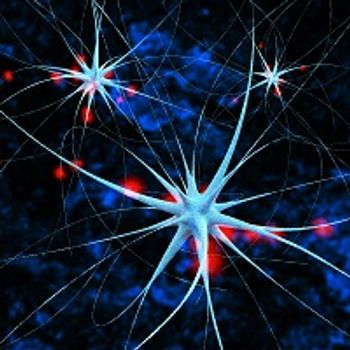
Not only have researchers found that chronic pain remodels the region of the brain that controls emotions, but they also revealed a new combination treatment that uses drugs that are already on the market.

Study results suggest that lidocaine injection might be better than ischemic compression in treating chronic pelvic pain in women.

An estimated 20% to 35% of children worldwide suffer from chronic pain, according to the American Pain Society, but treating the condition has added challenges for the younger population.

A recent study suggests that pain is inadequately treated in emergency departments, for a variety of reasons.

A new study suggests that pregabalin shows significantly greater improvements in pain-related interference of sleep relative to usual care in patients with chronic low back pain with accompanying neuropathic pain (CLBP-NeP).
A recent study looked at the effect from injections of recombinant human growth hormone (HGH) and testosterone to the painful and dysfunctional areas in patients with chronic lower back pain.

A recent study looked into the neural functions affected by ibuprofen and found some connections that may soon lead to a much greater understanding of the greatest pain mitigator of them all: the brain.

Patients who suffer from migraine headaches may find relief in the severity, frequency, and duration with the help of 2 procedures.

A new study of obese adolescents highlighted the link between obesity and chronic musculoskeletal (MSK) pain and limitations on physical function and quality of life (QOL).

Post-mastectomy neuropathic pain can be reduced in nearly one-third of women if the right assessments are completed.

Virtual reality experiments determined that the threshold of pain is increased when the participants do not know the degree of rotation is manipulated.
In last month's Pain Perspectives, I discussed the importance of assessing patients with chronic pain for depression – as it is extremely prevalent in this population and has been found to interfere with physical treatment. This month, we will begin to look at what the primary care physician can do to ensure that their patients with chronic pain have their depression addressed adequately.
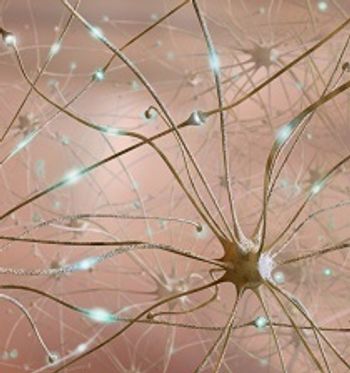
The next step in reducing and preventing neuropathic pain has been identified, according to researchers from UC Davis.

Sometimes symptoms of CIDP can closely resemble those of other conditions. In light of this it is important for doctors to take a closer look to ensure a proper diagnosis is made.