

































































New data has shown that using the anti-VEGF agent in patients with AMD that are older than 85 does not increase their risk of heart attack or stroke.

New data has shown that using the anti-VEGF agent in patients with AMD that are older than 85 does not increase their risk of heart attack or stroke.

While some baseline characteristics may put patients at a greater risk of developing macular atrophy, ultimately, ranibizumab was not determined to raise that risk.

The device was able to accurately identify the presence, or lack thereof, of more-than-mild DR at least 87% of the time.

Researchers found no evidence that adding targeted retinal photocoagulation to ranibizumab treatment improved visual outcomes, decreased treatment burden, or reduced demand for anti-VEGF therapy

A stem cell-based implant has been shown in a phase 1/2a trial to not only halt AMD disease progression but possibly improve vision.

Although popular, organic light-emitting sleep masks have been reported to be ineffective in reducing disease progression for patients with diabetic macular edema.

According to the investigators, this is the first time a consistent and dramatic global effect on antisense transcription has been associated with a disease state in humans.
With the approval, the syringe becomes the first with anti-VEGF agent approved by the FDA for use to treat DR and DME.

The anti-VEGF marketed as EYLEA has new phase 3 study results in its ongoing trial for NPDR consideration.

Foveomacular, juxta-macular, and peripheral retina punch biopsies can be used to determine protein levels and identify patterns of expression.

While not the preferred solution, choroidal neovascularization removal in patients with AMD can be useful in specific circumstances.

According to data, patients with neovascular AMD can continue their prescribed use of AP/AC medication without negative effects on AMD outcomes.

The market price for gene therapy greatly exceed the costs of the gene editing development and the equipment required for the task.

For treating AMD, the 3 anti-VEGF agents report similar efficacy and safety results in trials but different molecular structure and biochemical properties.

Long-term use of nonsteroidal anti-inflammatories may decrease the risk of developing age-related macular degeneration.
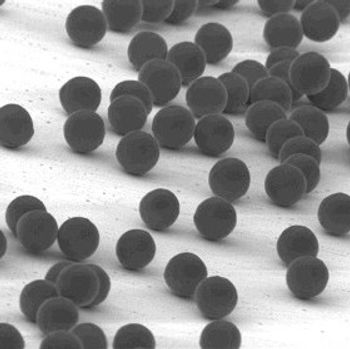
Less invasive interventions could be achieved in AMD with encapsulated microspheres as a method of delivering treatment to patients.

There is some promising evidence for the use of microperimetry in functionally assessing AMD, despite research results being limited.

Computerized low luminance visual acuity and low luminance deficit in patients with early/intermediate age-related macular degeneration were linked to LLQ scores.

New data from a 6-month, multicenter, observational study supplied evidence that DEX implants are safe and effective in real-life practice.
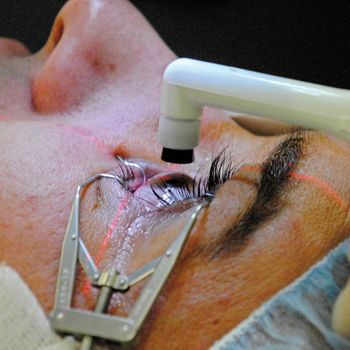
New research has shown that increased IOP is tolerable to corneal endothelium, and safe for most patients’ eyes despite immediate increases post-injection.

The use of SD OCT could help determine the presence of submacular fluid, the absence of hyper-reflective foci, and a continuous inner segment-outer segment.

A recent study from Temple University revealed a connection between exposure to female hormones and retinal diseases in aging men.

32% of patients said they were going to stop treatment and decline further injections due to mismanaged expectations of discomfort and anxiety.

After receiving an average of 4.7 injections through year 1, patients received 0.9 injections in year 4, while maintaining gains in BCVA letters.

Testing their system against expert manual analysis of OTC scans, the researchers determined that the automatic diagnostic method was both reliable and accurate.