


































































Brimonidine was previously approved by the FDA in 1996 for the treatment of intraocular pressure reduction in patients with glaucoma.
Brimonidine was previously approved by the FDA in 1996 for the treatment of intraocular pressure reduction in patients with glaucoma.
This is the first gene therapy approved in the US targeting mutations in a specific gene.
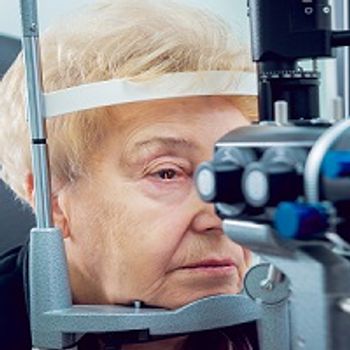
A review of over 13,000 newly-diagnosed DME patients found that about 75% received no treatment in the first 28 days since diagnosis.

Vision loss patients may be 3 times as likely to suffer from major depressive symptoms than the general population.

Researchers found two loci, TRPM1 and ABHD2/RLBP1, with previously unrecognized associations related to the risk of age-related macular degeneration.
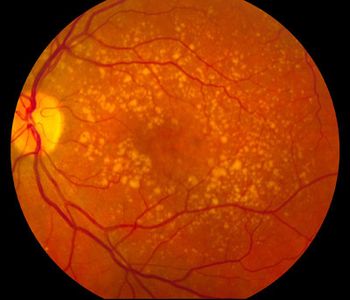
The clinical challenges presented by AMD during cataract surgery imply the need for special considerations and monitoring.

Raj Maturi, MD, talks about the use of sirolimus in combination with aflibercept for patients with chronic AMD.

Intravitreal bevacizumab effectively lowered the risk of retinal detachment recurrence after primary pars plana vitrectomy.

Reassurance should focus on success rates and low risk of serious problems.

Acute intraocular inflammation was less common for ranibizumab than aflibercept.

Perceived Stress Scale worked well in assessing stress levels of AMD patients.

In a new study, stroke occurred in 6.6% of the ranibizumab-treated group, compared with 7.0% of the controls matched by sociodemographic factors and comorbidities and 6.7% of the controls matched by sociodemographic factors only. These differences were not statistically significant.

A Spanish research team found an association between testing positive for antibodies to adalimumab (Humira) and a worse outcome of uveitis, but only in those who tested positive permanently. They also found that this association correlated with undetectable trough levels of Humira.

Monthly Avastin injections and quarterly Ozurdex injections produced equivalent improvements in best-corrected visual acuity after 7 months. However, Ozurdex reduced central subfield thickness nine times more than Avastin did, though it was associated with elevated intraocular pressure.

As with most surgical advances, new potential procedures in ophthalmology pose their fair share of risks. However, if those risks can be overcome the rewards to patients can make a significant difference in their quality of life.
Medical technology is constantly evolving across fields, and ophthalmology is no exception. A new hypersonic vitrectomy device is currently in development and could be on the market in 2017.

Much in the way GPS systems help drivers navigate the roads easier, image guided surgery can help doctors provide better care to their patients in many cases.

The mortality rate of AMD patients who received a bevacizumab injection 3 or 6 months after stroke was, in the study’s words, “worrying†compared to the rate of those who did not.
Explaining diabetic macular edema to patients can be a challenge in itself. Going further to explain the injection process can take even more care for eye care professionals.

In an 84-year-old woman with AMD and acute deterioration in vision, the oral antioxidant supplement Resvega led to regression of subretinal fluid and eliminated the need for intravitreal injection of an anti-VEGF agent over the course of 9 months.

While Anti-VEGF medications can be an effective treatment for patients with diabetic macular edema many will not respond to it making steroids the preferred method for care.

While surgeons across the globe have become used to performing procedures with the same equipment as their colleagues there could be some benefit to having tools specifically designed for their individual preferences.

For patients with retinitis pigmentosa the loss of vision can be a difficult consequence of the condition. An implanted device may not give them back the sight they once had but it can provide a chance to see the world around them in a new way.

Doctors treating patients with age-related macular degeneration face a wide range of complications including the potential dosage for anti-VEGF medications. One question is what role these drugs play in macular atrophy.
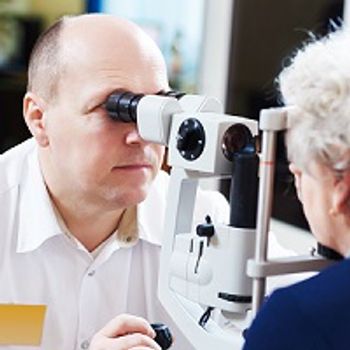
Researchers set out to see how prevalent sleep problems are in people with age-related macular degeneration (AMD) at the 34th Annual Scientific Meeting of the American Society of Retina Specialists (ASRS 2016) in San Francisco, California.