






























































Irregular periods in teenage girls may be linked to obesity, diabetes, reproductive issues, and heart disease.
Irregular periods in teenage girls may be linked to obesity, diabetes, reproductive issues, and heart disease.

A common, tiny tropical fish plays a key role in a new model for Cushing disease.

Experts agree that obesity prevention should begin before children enter school, but how early?
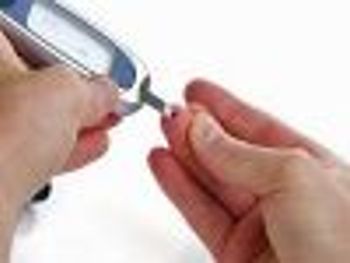
New incretin-based therapy should be used with diet and exercise to lower blood sugar in adults with type 2 diabetes.

The brain's hypothalamus plays a key role in obesity and one of its major complications – type 2 diabetes.

A new study of older diabetes patients has found that the very lowest blood sugar levels were associated with a small but significant increased risk of death.

Increase in key hormone adiponectin linked to fat-burning, better insulin sensitivity.
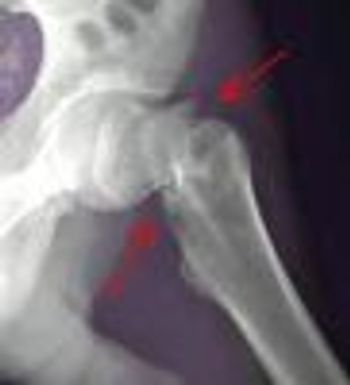
A new study had found that age-specific hip fracture rates have decreased in some regions while increasing in others over the last 18 years.
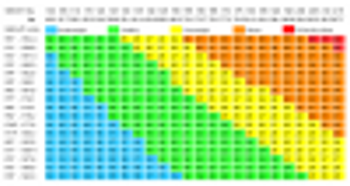
Study shows that elevated BMI in adolescence can predict type 2 diabetes and coronary heart disease in young adults.

A growing body of research suggests that caffeine may contribute to the development and poor control of type 2 diabetes.

Advanced glycation end products may explain why some diabetics live free from eye, kidney, nerve, and cardiovascular complications for more than 5 decades.

Previously thought only to affect the development of the eye, thyroid hormone has been shown to play an ongoing role in vision through adulthood.

Combination low-dose estrogen-growth hormone therapy induced greater height and improved psychosocial and cognitive function in girls with Turner syndrome.

Prediabetic rats treated with sitagliptin not only experienced lower glucagon and higher insulin levels, but a redistribution of body fat.

At Pri-Med Southwest, Frank Domino, MD, discussed the dangers of vitamin D deficiency and recommended screening and supplementation for at-risk patients.

Young adults who frequently attend religious activities are 50% more likely to become obese by middle age than their non-religious counterparts.

Nearly 30 million new patients will be diagnosed with diabetes by 2025 at a cost of $514 billion. Can we stop the prediction from becoming reality?

A blood screen testing for elevations in five amino acids can identify individuals at risk of developing type 2 diabetes a decade prior to symptom onset.

Patients with type 1 diabetes are vulnerable to autoimmune heart disease and a missed "training regimen" in the thymus explains why.

A new study has found Avandia to be associated with significantly higher odds of congestive heart failure, heart attack, and death compared with Actos.

Washington state's decision to review the efficacy, safety, cost, and health impact of glucose monitoring in children with diabetes has sparked debate.

ASU-Mayo Clinic team seeks approval for human testing of the device which they say is as accurate as a test using blood samples.

Investigators will test the hypothesis that in-depth cleaning to treat chronic periodontitis will help improve control of type 2 diabetes.

Patients take longer to metabolize alcohol and return to a sober state after gastric bypass, and could have a few too many if they aren't aware.

Data from the Women's Health Initiative study supports the idea that an early smoking habit increases a woman's breast cancer risk.