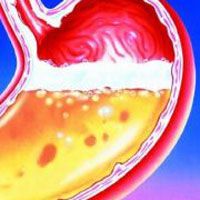































































Many studies have looked at the link between vitamin D deficiency and liver disease. A Korean team recently examined whether vitamin D deficiency played a pivotal role in abnormal liver enzymes.

Many studies have looked at the link between vitamin D deficiency and liver disease. A Korean team recently examined whether vitamin D deficiency played a pivotal role in abnormal liver enzymes.
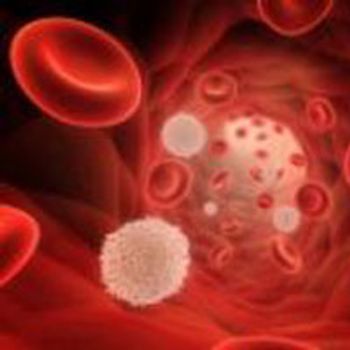
Albumin -- the most abundant protein in the human body -- has many roles. It transports hormones, fatty acids, and other compounds. It buffers serum pH, and maintains osmotic pressure. Now, it appears that albumin may be a tool that could be used in diabetes management.
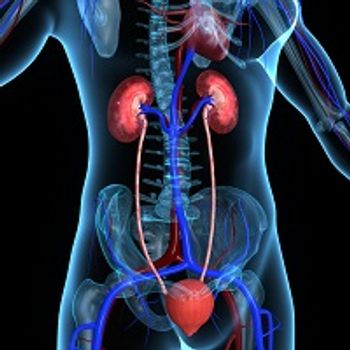
Lack of sleep and chronic kidney disease (CKD) independently lead to hypertension, diabetes mellitus, lower quality of life, and shorter life expectancy. Severity of CKD and sleep disturbances may also worsen diabetes and hypertension synergistically.
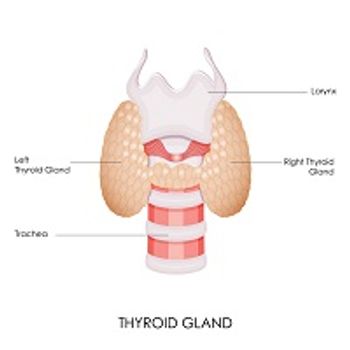
Levothyroxine is typically given before breakfast but interest is growing in recommending bedtime administration. Bedtime administration may reduce the likelihood of high gastric pH, food interference, or drug interactions.

The American Heart Association was one of the first organizations to advocate dietary changes to decrease the risk of coronary heart disease (CHD). The organization's first recommendation appeared in 1957 advising a decrease in the amount of fat intake to decrease atherosclerosis risk. Today, a different approach is recommended, which considers the diet as a whole, with recommendations of what to both include and avoid. Among other nutritional and lifestyle recommendations, the AHA advises the consumption of 2 servings of fish weekly for both men and women.
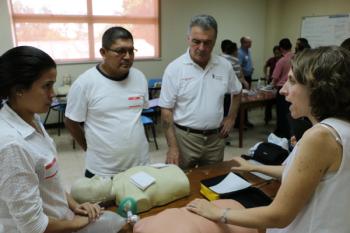
Working in an emergency room setting in the United States, in almost all circumstances provides doctors with at least most of the major needs they require to do their jobs on a daily basis. One organization is working to bring those basic needs to hospitals throughout Latin America.

Mental disorders predispose patients to weight gain, regardless of age. Psychiatric patients are more likely to develop metabolic syndrome and the poor health consequences that follow. For the most part, older patients develop metabolic syndrome, but adolescents with mental illness do, too.

Superficial fat necrosis is a rare complication of insulin injections that can manifest with severe, persistent, and well-localized pain.
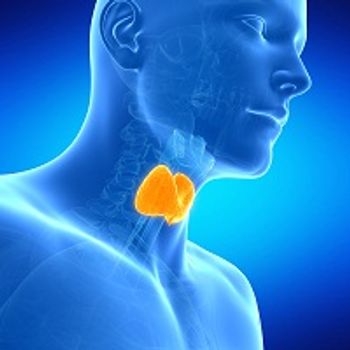
Up to 65% of all thyroidectomies are now done as outpatient procedures, and high-volume surgeons have very low complication rate with these surgeries.
Researchers are always looking for new ways to use existing medications. That is true for the hormone oxytocin, which a group of researchers recently looked at as a potential weight loss tool for men.
Many male patients with low to moderate levels of testosterone are being diagnosed with depression more often these days. The question then for healthcare professionals becomes how best to treat them.
Childhood can be a stressful enough time without the impact of outside influences and other factors. Healthcare professionals around the country are working to ensure that young gender dysphoria patients get the care and help they need in their process.

Obese patients looking to lose weight or treat type 2 diabetes have often turned to gastric bypass or other stomach-shrinking surgeries, which have produced favorable results, decreasing cancer risks.

Researchers reported no association between endogenous testosterone and incident stroke and ischemic changes in men evaluated via brain MRI imaging.
Due to allergy concerns and changing dietary habits, children (particularly adolescents) are consuming fewer nuts. Some researchers are concerned that the lack of this key food could contribute to other health issues later in life.

Testosterone is not significantly associated with bone mineral density or fracture risk. Estrone, however, may have a role in bone health and fracture prevention in postmenopausal women.

A team from MedUni Vienna has demonstrated that testosterone increases the number of proteins that transport serotonin into the brain.

Reports had suggested that mitochondria in adipocytes may potentially have central roles in regulating substrate metabolism, energy expenditure, and the disposal of reactive oxygen species.
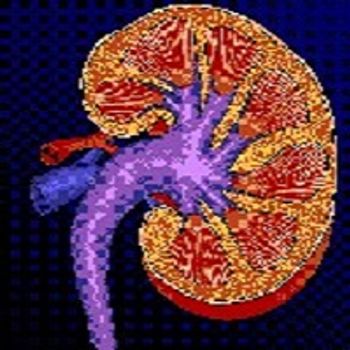
The National Institute of Diabetes and Digestive and Kidney Diseases (NIDDK) reported that one in 10 American adults had some level of chronic kidney disease (CKD), and that kidney disease is the 9th leading cause of death in the US.
Each year, the American Heart Association's (AHA's) Scientific Sessions is the organization's largest yearly gathering of healthcare professionals and researchers in the field of cardiovascular disease and stroke. Providing 5 days of comprehensive education with more than 4000 presentations by world leaders in cardiovascular disease, the AHA 2014 Scientific Sessions featured the results of landmark and long-awaited clinical trials.
One day following sigmoidoscopy for an anal stricture, this 61-year-old obese woman was admitted to the emergency department in shock. Earlier that morning, she had a barium enema without evidence of free air inferior to the diaphragm. Acute abdominal pain developed several hours later.

The Food and Drug Administration has approved a new medication to improve glycemic control in adults with type 2 diabetes.

Gynecomastia-the growth of breast tissue in men-can be an embarrassment for adolescents, but for professional bodybuilders it can be a career-ender. Two plastic surgeons said steroid use is to blame and surgery-not liposuction-is the best treatment.

When it comes to ordering the correct test for Vitamin D, too many doctors just can't get it right, a new study found. A Seattle team found 66% of tests ordered for one type of test were made in error, delaying care and potentially putting patients at risk. But it took the laboratory specialists 2 years of trial and error--and a lot of patience--to get the doctors to order the right tests.
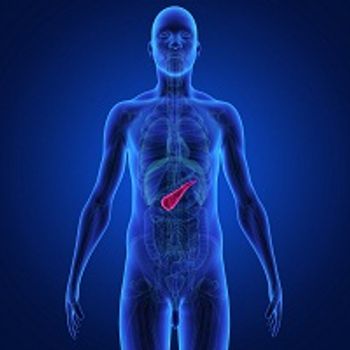
The incidence and mortality of pancreatic adenocarcinoma, the fourth leading cause of cancer deaths in the United States, are both on the rise. Globally, the disease is responsible for 227,000 deaths annually. Researchers from the National Taiwan University College of Medicine recently published a meta-analysis that demonstrated a dose-response relationship between fasting blood glucose levels and pancreatic cancer risk. They also examined the link between prediabetes and pancreatic cancer risk.