

































































Even patients on low- to medium-dose inhaled corticosteroids administered over a long period could be at risk for adrenal insufficiency.
Even patients on low- to medium-dose inhaled corticosteroids administered over a long period could be at risk for adrenal insufficiency.
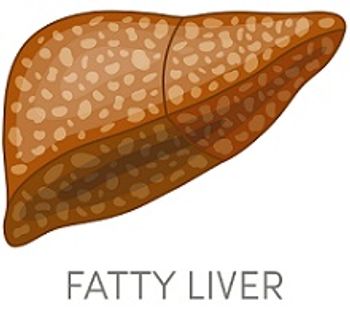
Aiming to investigate the metabolic changes that occur before the onset of non-alcoholic fatty live disease (NAFLD) and type 2 diabetes, researchers found that insulin resistance and waist circumference were associated with NAFLD among women with previous gestational diabetes mellitus (pGDM).

As more is learned about thyroid diseases in endocrinology one of the questions looming now is why does the thyroid hormone affect the body the way that it does. There are also questions about whether some health conditions are really tied to the hormone or another part of the anatomy.
Explaining diabetic macular edema to patients can be a challenge in itself. Going further to explain the injection process can take even more care for eye care professionals.

Do you suffer from migraines? Cluster headaches? Tension headaches? Other kinds of headaches? All of them are related to a thyroid disorder, according to new research from the University of Cincinnati (UC).
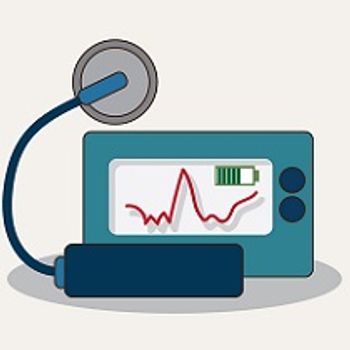
Some have called Medtronics MiniMed 670G an "artificial pancreas." The device is not that. It still requires user intervention. That said, it requires less intervention than any of the devices that have come before it.
A new study examined the cost of increasingly prevalent non-alcoholic fatty liver disease in both the United States and Europe and places the bill in the hundreds of billions.

Poushali Mukherjea, PhD, Executive Director, Global Medical Affairs, Bristol-Myers Squibb, noted some key takeaways from her team's 19 abstracts slated to be presented at the European Society of Cardiology Congress 2016 (ESC).
Unlike other medical conditions thyroid cancer can be difficult to diagnose. Often the condition is discovered while looking at other health issues a patient may have.
While some patients may need procedures like gastric bypass surgery to lose weight others may be able to achieve their goals by taking smaller steps.

Diabetes may have its roots in endocrinology but in recent years it has proven to be an issue affecting specialities across medicine. Because of that it takes more than one specialist to provide the best possible care for patients with the condition.

At the recent American Diabetes Association annual meeting Lilly Diabetes had more than 60 disclosures discussing their latest work in the field. Of all that work the Mosaic study was arguably the biggest news to come out of New Orleans.

It's time to redirect the initial evaluation of low- to intermediate-risk patients presenting with symptoms suggestive of CAD back to the primary care and internal medicine setting.

Approximately 60% of physicians in the US will be sued for malpractice, research and statistics have found.

The USDA defines low food security as “reports of reduced quality, variety, or desirability of diet. Little or no indication of reduced food intake.â€

Physicians and nurses have both an ethical and a legal obligation to ensure a patient will be discharged safely.
While it is not yet approved for the treatment of patients with type 1 diabetes recent studies on canagliflozin have shown it could be an option for this patient population.

The field of diabetes care is continually moving forward. Even as data was being presented at this year's meeting of the American Diabetes Association the future was at the forefront of many people's minds in an effort to help these patients even more.

There is no question that hunger can affect a person's life, a recent study looked at the scientific aspect of this discussion and what doctors can do to help patients with this challenge.

The obesity epidemic continues to grow in this country leaving the medical community to find new ways to help this patient population.

A fair amount of women who are diagnosed with gestational diabetes take active measures to lose weight – but what clinical outcomes does that have?

What happens when a patient with type 2 diabetes uses both a potassium (K)-sparing agent and sodium-glucose co-transporter 2 (SGLT2) inhibitor at the same time?
As obesity becomes a growing problem, doctors are turning to weight loss surgeries to help their patients return to a healthy quality of life. Work is being done to make these procedures as non-invasive as possible to help with the recovery and postoperative times.

Patients with diabetes face several challenges when it comes to coronary surgery success for numerous conditions. A recent study looked at the impact diabetes has on the success of coronary bypass grafts.

A new study may explain why nightshift works have a higher risk of type 2 diabetes.