
































































When your patient is also your neighbor it can get, well, awkward. That's why Melissa Young, MD, has shared her tips on how to handle seeing patients outside of the office.
When your patient is also your neighbor it can get, well, awkward. That's why Melissa Young, MD, has shared her tips on how to handle seeing patients outside of the office.

How can less exercise yield better blood sugar and decrease risk of heart disease in diabetes patients? A new study has answers.

The most recent approval in the class, ertugliflozin (Steglatro), is a product of the efforts of a duo of pharmaceutical giants, Pfizer and Merck.

A growing class of medications, SGLT-2 inhibitors have helped physicians manage otherwise uncontrolled cases of type 2 diabetes.
According to BioMarin, the therapy is expected to be available in June 2018, with marketing beginning immediately.
The oral dual inhibitor is intended to work alongside insulin therapy to improve blood sugar control in adults with type 1 diabetes.

The therapy showed reduction in nighttime resting heart rate comparable to that of beta blockers.
Lokelma is approved for the treatment of hyperkalemia, which is characterized by elevated potassium levels often associated with cardiovascular, renal, and metabolic diseases.
The 625 mg tablet Welchol was first approved for cholesterol and/or glycemic management by the FDA in 2000.

Ambient air pollution has become one of the world's greatest killers. But physicians still differ on their involvement in fighting it.
The approval is backed by evidence from extensive structural and functional characterization, animal study data, human pharmacokinetic and pharmacodynamic data, clinical immunogenicity data and other clinical safety and effectiveness data.

New study finds higher percentage of body fat is associated more with abnormal blood glucose in normal and overweight nondiabetic subjects.
Astellas Pharma's mirabegron (Mybetriq) will serve as a combination therapy with muscarinic antagonist solifenacin succinate (VESIcare) for the treatment of overactive bladder in patients with particular symptoms.
The new diabetes tech in question is the expanding pool of continuous glucose monitoring systems. So, what's your CGM IQ?

Despite extended exposure to high doses of estrogen therapy, levels of prolactin did not rise in transgender patients.

Medication adherence rates struggle in many conditions and diabetes is among the worst of them. Michael Greenfield, MD, discusses 3 ways for clinicians to improve adherence.
The investigational drug programs represent a high unmet medical need as there are currently no approved therapeutics targeting the impairment caused by the mutations.
New diabetes studies find SGLT2i may reduce all-cause mortality; that telemedicine can improve T2DM care; and that broader screening criteria are better.
Data from the 2 clinical trials showed that JYNARQUE slowed kidney function decline in adults at risk of rapidly progressing ADPKD.

The study showed that 21% of the girls with T2D also had menstrual dysfunction suggestive of polycystic ovarian syndrome.
A result of cooperation between Amerigen Pharmaceuticals and Dipharma, this is the first approved generic equivalent to Actelion Pharmaceuticals’ version of the drug, Zavesca.
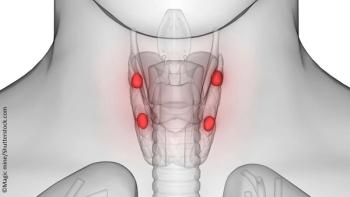
Primary hyperparathyroidism--asymptomatic but curable. Here are three clinical pearls to help guide diagnosis and management.

The GLP-1 receptor agonist/metformin combination did not support weight loss in this population but did increase pregnancy rates per in vitro embryo transfer.

A group of researchers is planning an ambitious project that could have implications for diseases like diabetes: to build a complete model of the pancreatic ß cell.
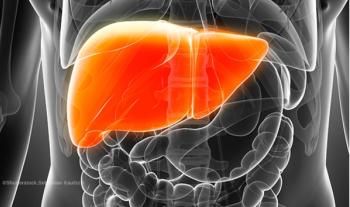
Empagliflozin shown to significantly reduce liver fat in patients with T2DM, according to a new study.